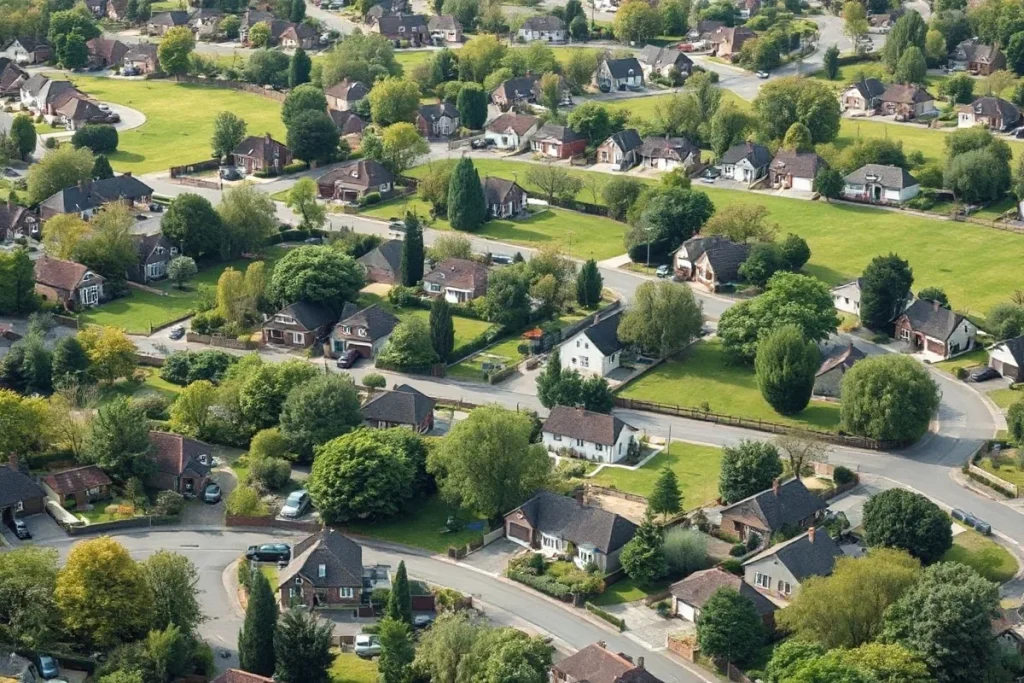
A recent study has unveiled a compelling connection between remote work trends and the dynamics of the housing market in 2026. As flexibility in work arrangements continues to reshape the professional landscape, its influence is increasingly evident in where and how people choose to live. This research underscores the profound impact that shifts in employment patterns have on housing demand, prices, and even urban planning.
With many employees opting for remote work as a permanent fixture, the implications for the housing market are substantial. Areas previously overlooked are experiencing a surge in interest, while traditional urban centers are seeing fluctuations in demand. Understanding this correlation not only sheds light on current market trends but also provides valuable insights for investors, homeowners, and policymakers navigating the evolving real estate landscape.
Understanding the Shift: Remote Work's Influence
The adoption of remote work in 2026 has reached unprecedented levels, fundamentally altering the housing market landscape. Recent statistics indicate that over 60% of employees now have the option to work remotely at least part of the week. This shift has not only changed how people work but also where they choose to live. Increased flexibility in work arrangements has led to a notable migration from urban centers to suburban areas, where buyers are seeking larger homes, outdoor spaces, and more affordable housing options. The demand for suburban properties has surged, leading to rising prices and a competitive market environment.
As remote work flexibility continues to reshape buyer preferences, the impact on real estate dynamics becomes increasingly pronounced. Homebuyers are now prioritizing features that accommodate a work-from-home lifestyle, such as dedicated office spaces, high-speed internet connectivity, and proximity to community amenities. Many individuals are opting for homes that offer a better quality of life, with access to parks, schools, and recreational activities, rather than being tethered to the hustle and bustle of city life. This shift has spurred real estate developers to focus on creating family-friendly environments in suburban regions, responding to the changing demands of the market.
The role of technology and connectivity cannot be overstated in this evolving landscape. The advancements in digital infrastructure have made remote work not only possible but also efficient. High-speed internet access has become a critical factor in homebuying decisions, as buyers seek locations that support their remote work needs. Coupled with the growth of collaborative tools and virtual communication platforms, technology has allowed employees to maintain productivity regardless of their physical location. As a result, the implications of remote work extend beyond individual preferences, influencing broader trends in infrastructure development and urban planning to accommodate this new way of living.
In summary, the trend towards remote work in 2026 is significantly reshaping housing market dynamics, driving demand for suburban living and altering buyer priorities. As more individuals embrace the flexibility of remote work, the real estate landscape will continue to evolve, presenting both opportunities and challenges for homebuyers and investors alike.
Suburban Surge: Housing Demand Trends
The ongoing shift toward remote work has markedly transformed housing demand, significantly favoring suburban areas over urban centers. In 2026, this trend has become evident as buyers increasingly seek larger living spaces, more outdoor areas, and family-friendly environments, all of which suburban settings typically provide. This shift has contributed to a surge in housing prices in these areas, with many suburban markets seeing price increases that outpace those in larger cities. The appeal of more affordable housing options in conjunction with improved work-from-home arrangements has made suburban living particularly attractive.
Regions experiencing the most pronounced increases in demand include areas surrounding major metropolitan hubs like Seattle, Austin, and Denver. These suburban locales have become hotspots for families looking to escape the hustle of city life while still enjoying proximity to urban amenities. Additionally, cities such as Dallas, Tampa, and Phoenix have reported significant net migration to their surrounding suburbs, as individuals and families prioritize space and lifestyle over the traditional urban experience.
The impact of remote work on family housing needs is reshaping preferences in several key ways. Families are now more inclined to seek homes that offer dedicated office spaces, outdoor areas for recreation, and proximity to schools and parks. As a result, the characteristics of desirable homes have evolved, with features like home offices and larger backyards becoming non-negotiable for many buyers. Moreover, the demand for community-oriented amenities—such as parks, trails, and family-friendly events—has risen, further influencing the types of neighborhoods in high demand.
In summary, the suburban housing surge reflects a broader change in lifestyle preferences driven by remote work trends. As families adapt to this new way of living, the real estate market responds by evolving to meet their needs, creating a dynamic environment where suburban living is not just a preference but a strategic choice for many in 2026.
Urban Exodus: The Shift Away from City Living
The trend of urban exodus has gained significant momentum as remote work continues to reshape the housing landscape in 2026. Many individuals and families are departing from densely populated city environments in favor of suburban areas that promise more space, affordability, and a better quality of life. This demographic shift is particularly pronounced among millennials and younger professionals who, empowered by flexible work arrangements, are seeking homes that provide not only comfort but also the opportunity to establish a family-friendly environment.
Several factors are driving this migration away from urban centers. The rising cost of living in cities, coupled with the high prices of rental properties and limited space, has prompted many to seek more affordable housing options. Suburbs often offer larger homes at comparatively lower prices, appealing to those who prioritize square footage and outdoor space. Additionally, the pandemic has led to a reevaluation of work-life balance, with many remote workers recognizing the benefits of living in quieter, more residential areas that support a healthier lifestyle.
The implications of this trend are profound for urban housing markets. As demand shifts to suburban locales, urban rental prices are expected to experience downward pressure, potentially leading to decreased investment in city real estate. Landlords may find it challenging to fill vacancies as remote work continues to be a permanent fixture for many companies, compelling them to reconsider rental strategies. Meanwhile, suburban areas are likely to witness a surge in development projects, including new housing developments and infrastructure improvements, aimed at accommodating the growing population.
In summary, the ongoing urban exodus reflects a significant transformation in how people view work and living arrangements in 2026. As remote work remains a prominent feature of the workplace landscape, its impact on housing preferences will continue to shape real estate dynamics across the nation, revealing both opportunities and challenges for homebuyers and investors alike.
Economic Implications for Suburban Development
The rise in remote work has catalyzed a significant transformation in suburban development, with increased housing demand leading to a wave of infrastructure projects aimed at accommodating new residents. As urban dwellers seek the more spacious living options and lower cost of living that suburbs offer, local governments are responding with enhanced infrastructure investments. These developments include improved transportation networks, upgraded utilities, and expanded public services, which are essential to support the influx of families and professionals relocating from urban centers. This shift not only enhances the quality of life for new residents but also positions suburban areas as attractive destinations for future migrations.
Moreover, local economies are reaping the benefits of this migration. Suburban areas that were once considered less desirable are now experiencing economic revitalization. Small businesses, from cafes to retail shops, are witnessing an uptick in patronage as new residents contribute to the local tax base and drive demand for services. Additionally, the increase in disposable income from remote workers, who often earn urban salaries while living in more affordable regions, is stimulating economic activity. This trend has led to the emergence of new job opportunities in suburban areas, further bolstering their economies.
Long-term implications for suburban real estate values are also noteworthy. As demand for housing continues to rise in these areas, property values are expected to appreciate steadily. This trend may lead to sustained growth in both residential and commercial real estate, making suburbs increasingly attractive for investors. However, this rapid development may also raise concerns about affordability and the risk of gentrification, potentially alienating long-term residents. Communities will need to strike a balance between growth and inclusivity to ensure that the benefits of this migration are widely shared.
In summary, the intersection of remote work and suburban development presents a complex landscape, characterized by both opportunities and challenges. As infrastructure evolves and local economies thrive, the long-term effects on real estate values will likely shape the future of suburban living for years to come.
Challenges for Homebuyers and Investors
The surge in remote work has transformed the housing landscape, particularly in suburban markets, but this shift is not without its challenges for both homebuyers and investors. As demand for homes in these areas skyrockets, potential buyers may find themselves grappling with a highly competitive environment. The increased interest in suburban properties has led to bidding wars and a dwindling inventory, making it crucial for buyers to approach the market with a strategic mindset. Those who are unprepared may miss out on desirable options or, worse, end up overextending their budgets in the frenzy to secure a home.
Rising housing prices, spurred by the influx of buyers seeking more space and amenities outside urban centers, have created significant affordability issues. Many first-time homebuyers and lower-income families are feeling the pinch, as they find it increasingly difficult to enter the market. The disparity between income growth and housing costs has widened, leading to concerns about equitable access to homeownership. Buyers must now navigate not only the challenge of finding a suitable property but also the financial implications of high mortgage rates, which have become a prominent factor in determining affordability.
For investors, the evolving suburban landscape presents a dual-edged sword. On one hand, the demand for rental properties has surged, creating opportunities for profitable investments. However, the rapid changes in market dynamics also necessitate careful analysis and strategic planning. Investors must be mindful of potential pitfalls, such as overpaying for properties in an overheated market or misjudging future demand as remote work trends continue to evolve. The ability to adapt to shifting buyer preferences—such as a focus on sustainable living and community amenities—will be vital for success in this competitive arena.
In summary, while the ongoing shift towards suburban living offers attractive opportunities for both homebuyers and investors, it also introduces a range of challenges that must be navigated with caution. Understanding market dynamics, staying informed about pricing trends, and maintaining a flexible approach will be essential for those looking to thrive in the current housing environment.
Future Trends: What Lies Ahead for Housing Markets
The ongoing evolution of remote work trends is expected to significantly shape the housing market landscape beyond 2026. As companies continue to embrace flexible work arrangements, the demand for suburban and rural homes is likely to persist. This migration from urban centers to less densely populated areas may not only enhance the appeal of spacious living but also foster a renewed focus on community infrastructure. Future housing developments will need to prioritize accessibility to amenities, schools, and transportation, ensuring that these areas can support the lifestyle changes that remote work engenders.
In terms of urban planning and housing policies, municipalities may begin to adapt to these shifting preferences by revising zoning laws and incentivizing the development of mixed-use spaces that cater to both residential and commercial needs. For instance, local governments might encourage the construction of co-working spaces in suburban neighborhoods to combine the benefits of remote work with the social aspects of traditional office environments. Additionally, policies that promote affordable housing in these regions will be crucial to accommodate the influx of new residents, ensuring that the suburban housing boom is sustainable and inclusive.
The impact on commercial real estate in urban centers is also anticipated to be profound. As businesses reassess their office space requirements, there may be a reduction in demand for traditional office buildings, prompting landlords to rethink their strategies. Some urban areas could see a repurposing of commercial properties into residential units or mixed-use developments, creating vibrant urban communities that integrate work and life more seamlessly. This shift may also lead to a diversification of commercial real estate portfolios, with investments focusing on versatile spaces that can adapt to changing market demands.
As we look to the future, the relationship between remote work trends and housing dynamics will likely continue to evolve, driven by technological advancements, demographic shifts, and changing lifestyle preferences. Stakeholders in the real estate sector must remain agile and innovative to harness the opportunities presented by this transformation while addressing the challenges that come with it.
Case Studies: Success Stories in Suburban Areas
The shift to remote work has significantly reshaped suburban housing markets, with several areas emerging as prime destinations for families and professionals seeking space and quality of life. One standout market is Frisco, Texas, which has seen a remarkable increase in housing demand. The city, known for its family-friendly atmosphere and robust amenities, has attracted a wave of buyers moving from urban centers. In 2026, Frisco’s home prices have surged by nearly 25% compared to the previous year, driven by its appealing schools, parks, and an increasing number of coworking spaces that cater to remote workers.
Another notable example is the town of Westfield, New Jersey, which has transformed into a magnet for remote workers seeking a suburban lifestyle without sacrificing proximity to New York City. The local real estate market has adapted by developing homes with dedicated office spaces and high-speed internet access, essential features for today’s telecommuters. Westfield’s strategic location, complemented by its well-maintained public transport links, makes it an ideal choice for those who may need to commute occasionally. Real estate experts indicate that such developments are not merely reactive but part of a larger strategy to attract remote workers who prioritize both comfort and connectivity.
In the Midwest, Naperville, Illinois, has also seen a significant uptick in housing demand, with new developments featuring open floor plans and outdoor spaces designed for families. The area has leveraged its existing infrastructure while investing in community amenities, such as parks and recreational facilities, which are increasingly important to homebuyers post-pandemic. Insights from local real estate agents suggest that as remote work continues to dominate the employment landscape, buyers will increasingly seek out homes that offer both a pleasant living environment and the necessary facilities for work.
The emerging trends in suburban housing reflect a broader shift in buyer behavior, emphasizing the importance of lifestyle choices in real estate decisions. As remote work becomes a permanent fixture for many, the suburban markets that prioritize adaptability, community, and connectivity are likely to thrive.
Conclusion: Navigating the New Normal
The findings of the recent study underscore a transformative shift in the housing market driven by the continued prevalence of remote work. As more individuals embrace flexible working arrangements, there is a marked movement of demand from urban centers to suburban areas. This trend has not only elevated property values in suburban locales but has also redefined what potential homebuyers consider essential in their search for a new residence. The study highlights that buyers are increasingly prioritizing space, access to amenities, and community features, leading to a reshaping of real estate preferences across the board.
Adapting to these changing market dynamics is crucial for both homebuyers and investors. As demand for suburban properties continues to rise, it is essential to stay informed about emerging trends that can impact investment decisions. The current housing landscape is characterized by heightened competition for suburban homes, which may lead to bidding wars and increased prices. Investors looking to enter or expand within this market must be prepared to act swiftly, equipped with a clear understanding of the factors driving demand and potential future shifts.
To navigate this new normal successfully, here are several key considerations for prospective buyers and investors:
- Research Local Markets: Understand the specific dynamics of the suburban areas you are interested in. Factors such as local amenities, school districts, and infrastructure developments can significantly affect property values.
- Stay Informed on Remote Work Trends: Keep an eye on the evolution of remote work policies, as changes in corporate strategies can impact housing demand.
- Be Prepared for Competition: With increased interest in suburban properties, be ready to make competitive offers and act quickly when you find a desirable home.
- Consider Long-Term Implications: Evaluate how ongoing remote work trends may influence property values over time, and think strategically about your investment horizon.
In summary, the correlation between remote work trends and housing market dynamics in 2026 is clear. As the landscape continues to evolve, staying informed and adaptable will be key to making sound decisions in an increasingly competitive market. The ability to anticipate changes and respond effectively will empower buyers and investors alike to take advantage of the opportunities presented by this new era of real estate.
Frequently asked questions
How has remote work affected housing prices in 2026?
What demographic is primarily moving to suburban areas?
Are there any challenges for buyers in suburban markets?
What are some implications for urban housing markets?
What future trends should we expect in housing markets?
Key takeaways
- Remote work is reshaping housing demand, particularly in suburban areas.
- Suburban housing prices are rising significantly compared to urban markets.
- Families are driving the migration towards more spacious living environments.
- Investors need to adapt to the new suburban dynamics for better opportunities.
- Future housing policies will likely reflect ongoing remote work trends.
Sources
The Money Centre, vawholesalemtg.com, dallasfed.org, coworkingcafe.com, philadelphiafed.org

Topic guide: Analysis: The Complete Guide