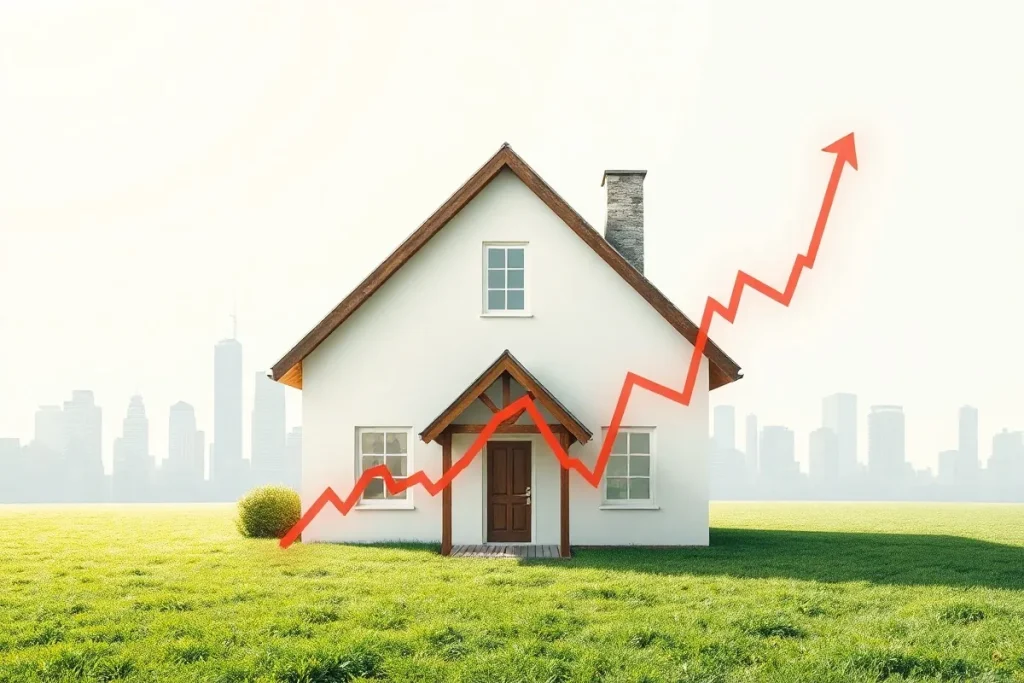
As 2026 unfolds, the financial landscape continues to shift dramatically, particularly in the property market. A new study has shed light on the impact of rising interest rates on property values, revealing crucial insights that could shape investment strategies for years to come. With central banks tightening monetary policy to combat inflation, the repercussions are being felt across various sectors, but none more acutely than real estate.
This research highlights a complex interplay between interest rates and property values, suggesting that while some regions may experience a downturn, others could see resilience or even growth. For investors, understanding these dynamics is essential for navigating the current market, making informed decisions about buying, selling, or holding real estate assets amidst these economic changes.
Understanding the Current Landscape
The landscape of the property market in 2026 is heavily influenced by a significant rise in average mortgage rates, which have escalated considerably since 2022. As of now, the average mortgage rate hovers around 5% to 5.6%, a sharp increase from the 3% rates that were common prior to the interest rate hikes. This increase has resulted in higher monthly mortgage payments, which in turn has exacerbated affordability challenges for prospective homebuyers. The financial strain from these elevated rates has created a ripple effect, leading to decreased housing market activity and a shift in buyer sentiment.
Regions across the country are experiencing varying impacts based on their unique property markets and economic conditions. In areas with previously high demand, such as urban centers and suburban expansions, the rising rates have cooled the once fervent market. This has resulted in a noticeable decline in property values, as sellers are forced to adjust their expectations in response to waning buyer interest. Conversely, in regions where housing supply remains limited, there is still some resilience in property values, albeit at a slower growth rate, as buyers are becoming increasingly price-sensitive.
The overall housing market activity reflects a cautious approach among buyers, many of whom are either postponing their purchases or seeking more affordable alternatives. This sentiment has been influenced by both the higher cost of borrowing and the prevailing economic climate, which is characterized by inflationary pressures and uncertainty. The combined effect of these factors has led to a more subdued atmosphere in the housing market, where previously competitive bidding wars have given way to a more measured and strategic buying process.
As we look ahead, the expectation is that these trends will continue to shape the property landscape, with potential implications for both short-term and long-term investment strategies. The ongoing rise in mortgage rates will likely remain a critical focal point for both buyers and investors, influencing decisions and altering the dynamics of property value appreciation across various regions.
The Mechanics of Mortgage Payments
As interest rates continue to rise in 2026, the mechanics of mortgage payments have become increasingly complex and burdensome for borrowers. When interest rates increase, the cost of borrowing also escalates, which leads to higher monthly mortgage payments. For instance, homeowners who locked in rates around 3 percent before 2022 are now grappling with rates that have surged to approximately 5 to 5.6 percent for a 30-year fixed mortgage. This change translates to significant increases in monthly obligations, with some estimates indicating an additional $1,265 added to principal and interest payments for new loans.
The impact of these rising rates on affordability is particularly pronounced for first-time homebuyers. As monthly payments rise, the total cost of home ownership becomes more daunting, pushing many potential buyers out of the market entirely. For instance, a prospective buyer looking to purchase a home priced at $300,000 would face a dramatically different financial picture today compared to just a few years ago. A 3 percent interest rate would have resulted in a manageable monthly payment, whereas today’s rates make the same home significantly less affordable. This shift not only affects individual buyers but also contributes to a broader slowdown in housing market activity.
Existing homeowners are not immune to these changes either. Many are choosing to stay put rather than risk facing higher payments on new mortgages. This reluctance to move has led to a decrease in the availability of homes on the market, further exacerbating the affordability crisis. As inventory dwindles, competition for the remaining properties intensifies, driving prices up even more, which creates a vicious cycle that hinders affordability for all buyers.
The combination of increased monthly payments and reduced housing availability paints a challenging landscape for both first-time buyers and those looking to upgrade. As interest rates continue to play a crucial role in shaping the housing market dynamics, prospective buyers must navigate these complexities carefully, weighing the long-term implications of rising costs against their homeownership aspirations.
Regional Variations in Property Value Responses
As rising interest rates continue to shape the real estate landscape in 2026, regional variations in property values are becoming increasingly apparent. Different states and cities are experiencing unique responses to the financial climate, influenced by local economic conditions, housing demand, and demographic trends. Notably, California and Texas stand out as two markets that exemplify these divergent reactions.
In California, the housing market is facing significant pressure from the rapid increase in mortgage rates, which have surged to levels that many potential buyers find untenable. The average mortgage rate has climbed to around 6.5%, drastically affecting monthly payments and thus reducing the pool of buyers able to afford homes. Experts suggest that this has led to a contraction in property values, particularly in urban centers like San Francisco and Los Angeles, where affordability challenges are already acute. The California housing affordability tracker indicates that many buyers are now sidelined, leading to a slowdown in transactions and a noticeable dip in new listings. Local real estate professionals predict that this trend may persist, as high rates continue to limit accessibility for first-time buyers, thus potentially stalling any rebound in the market.
Conversely, Texas is experiencing a different outcome. The state’s housing market remains relatively resilient amidst rising rates, with a 30-year fixed mortgage rate hovering around 5.5%. The influx of new residents and a robust job market have contributed to sustained demand for housing in cities like Austin and Dallas. While higher interest rates are impacting affordability, many Texan buyers are still willing to navigate these challenges, buoyed by the state’s lower overall cost of living compared to California. Real estate experts in Texas suggest that, while price growth may slow, the market is unlikely to see a significant decline in property values due to the ongoing demand and economic stability.
As the year progresses, industry analysts anticipate that these regional responses will continue to evolve. Factors such as employment rates, housing supply, and consumer confidence will play crucial roles in shaping market dynamics. Understanding these variations is essential for investors and buyers alike, as they navigate the complexities of the current real estate environment.
In summary, the impact of rising interest rates is not uniformly felt across the country. Regional markets like California and Texas illustrate how localized economic conditions and demographic shifts can dictate the direction of property values, offering valuable insights for future trends in the housing sector.
Investment Strategies in a High-Rate Environment
As interest rates continue to rise in 2026, the landscape for real estate investment and homebuying has transformed dramatically. For investors and potential homeowners navigating this environment, adopting strategic approaches is essential for success. One of the most critical strategies involves assessing cash purchases versus financing options. In a high-rate environment, cash offers a significant advantage, as it eliminates the burden of hefty mortgage payments that accompany elevated interest rates. Buyers able to make cash offers are often viewed favorably by sellers, as they can expedite transactions without the complications of financing. Conversely, those relying on financing must be prepared for higher monthly payments, which can strain budgets and limit purchasing power.
Rental properties present an attractive avenue for investors in 2026. With many potential homebuyers priced out of the market due to increased mortgage costs and declining affordability, the demand for rental units is likely to rise. Investors can capitalize on this trend by purchasing properties to rent out, thus establishing a steady income stream. In addition, focusing on multi-family units or properties in areas with strong rental demand can yield better returns. It’s essential, however, for investors to conduct thorough market research to identify locations where rental demand is robust and vacancy rates are low.
Moreover, diversifying investments into alternative asset classes can provide a buffer against the volatility of the real estate market. Opportunities in sectors such as commercial real estate, real estate investment trusts (REITs), or even emerging markets like cryptocurrency could offer potential returns that offset the challenges posed by rising interest rates. By spreading investments across different asset types, investors can mitigate risks associated with property value fluctuations and interest rate hikes.
In summary, whether opting for cash purchases, focusing on rental properties, or diversifying into alternative investments, real estate participants in 2026 must adopt a proactive and informed approach. By staying adaptable and strategically navigating the current high-rate environment, investors and homebuyers can enhance their chances of achieving financial success in a challenging market.
Challenges for New Buyers
As the housing market navigates the complexities of rising interest rates in 2026, new buyers are facing significant challenges that complicate their entry into homeownership. The average mortgage rate has surged to levels not seen in recent years, with many buyers now contending with rates hovering around 5% to 5.6%. This increase translates to substantially higher monthly payments, making it more difficult for first-time buyers to secure financing and, consequently, to afford homes. With the combination of elevated interest rates and rising property values, many prospective homeowners are finding that their purchasing power has diminished considerably compared to previous years.
Statistics paint a stark picture of the current affordability crisis. For example, the financial burden of principal and interest payments has increased by over $1,200 for many buyers, based solely on the rise in interest rates. This increase, coupled with ongoing price escalations in the housing market, exacerbates the difficulty for new buyers, particularly those with limited savings or lower incomes. In certain markets, the percentage of income required for housing has reached levels that are unaffordable for many. Moreover, competition within the housing market remains fierce, as existing homeowners opt to stay put rather than trade up, further constricting the inventory available for new entrants.
To effectively navigate these barriers, new buyers can adopt several strategies. First, it is crucial to thoroughly assess their financial situation, including budgeting for higher monthly payments and considering alternative financing options. Buyers should also explore government assistance programs designed to support first-time homeowners, which can provide essential financial relief or lower down payment requirements. Additionally, being flexible regarding location and property types can open up more affordable options.
In summary, while the challenges presented by the current interest rate climate are formidable, proactive planning and a willingness to adapt can empower new buyers to find a path to homeownership in these turbulent times. By taking these steps, they can better position themselves to overcome the obstacles and achieve their goal of owning a home.
Long-term Predictions for the Housing Market
As we look ahead in 2026, the housing market is poised for continued challenges largely driven by the recent surge in interest rates. The average mortgage rate, which has climbed significantly from its previous lows, is now creating an environment where affordability is a pressing concern for potential homeowners. Higher mortgage payments are resulting in decreased housing market activity, as many buyers find themselves priced out of the market. This shift has led to a reduction in property values, as sellers adjust expectations in response to diminished demand.
Economic indicators play a crucial role in shaping the future of interest rates and, by extension, property values. Factors such as inflation rates, employment statistics, and consumer confidence will be closely monitored by economists and investors alike. The Federal Reserve’s monetary policy decisions will also be pivotal; if they opt to maintain higher interest rates to combat inflation, we may see a prolonged period of elevated borrowing costs. Conversely, if inflation shows signs of stabilization, there may be opportunities for a gradual reduction in rates, which could revitalize the housing market.
Expert opinions on the outlook for the housing market reflect a mix of caution and optimism. Some analysts believe that while current conditions may lead to short-term volatility, the market could stabilize as both buyers and sellers adjust to the new realities of higher interest rates. Others caution that if rates continue to rise or remain high, we may witness further depreciation in property values, particularly in markets that have seen rapid price increases over the past years.
Ultimately, the interplay between interest rates and housing market dynamics remains complex. Investors and potential buyers should remain vigilant, keeping an eye on economic trends and expert forecasts, as the market could evolve significantly in the months to come. The following considerations may help navigate this uncertain landscape:
- Monitor Federal Reserve announcements regarding interest rate adjustments.
- Stay informed about inflation trends and their potential impact on purchasing power.
- Evaluate regional housing market conditions, as some areas may experience different levels of volatility.
- Consider the long-term implications of rising rates on investment strategies in real estate.
In conclusion, while the immediate future of the housing market is fraught with challenges, there are signs that with careful monitoring and strategic planning, opportunities may still exist for savvy investors and homebuyers alike.
Policy Implications and Responses
In light of the significant impacts that rising interest rates have had on property values in 2026, it is crucial for policymakers to consider measures that can alleviate the strain on the housing market. The increase in mortgage payments has directly led to decreased housing market activity and heightened affordability challenges for prospective buyers. To counteract these trends, government interventions could play a pivotal role. For instance, implementing temporary tax incentives for first-time homebuyers could stimulate demand and make homeownership more accessible amidst climbing rates. Additionally, expanding down payment assistance programs could empower more individuals to enter the housing market, thereby supporting property values and overall market stability.
Furthermore, reforming mortgage lending practices is essential in this evolving landscape. Lenders could consider offering more flexible mortgage terms, such as adjustable-rate mortgages with caps on how much rates can increase over time. This could provide buyers with more manageable monthly payments and reduce the immediate financial burden associated with higher interest rates. Additionally, promoting financial literacy and education programs could equip potential buyers with the knowledge to navigate the complexities of mortgage options, enhancing their ability to make informed decisions in a challenging market.
Local governments are also increasingly recognizing the urgency of the housing affordability crisis. Many municipalities are exploring policies aimed at increasing the supply of affordable housing. Strategies such as zoning reforms that allow for higher-density housing developments can help meet demand and stabilize prices. Moreover, some localities are implementing inclusionary zoning policies, requiring a portion of new developments to be set aside for low- to moderate-income residents. These initiatives not only address immediate affordability concerns but also foster long-term economic resilience in communities facing the brunt of rising interest rates.
In summary, while the current environment presents significant challenges, a multifaceted approach involving government policy adjustments, reforms in mortgage lending, and proactive local government initiatives can help mitigate the adverse effects of rising interest rates on the housing market. By prioritizing affordability and accessibility, stakeholders can work together to create a more sustainable housing landscape in 2026 and beyond.
Conclusion: Navigating a New Normal
As we conclude our examination of the impact of rising interest rates on property values in 2026, it is clear that the housing market is navigating a challenging landscape. The significant uptick in mortgage rates has led to higher monthly payments, which has, in turn, curtailed the enthusiasm of potential buyers and slowed overall market activity. The consequence of these shifts is evident: reduced affordability and a potential downward pressure on property values, as many buyers find themselves priced out of the market. The trend appears set to persist, making it imperative for both current homeowners and prospective buyers to stay informed about the evolving dynamics.
Adapting to this new normal requires not only awareness of interest rate fluctuations but also a proactive approach to real estate decisions. Homebuyers should consider acting sooner rather than later, as waiting can lead to higher costs and limited options. Sellers, on the other hand, may need to adjust their expectations regarding property values and be prepared for longer selling times. Additionally, investors should evaluate their strategies in light of these changing conditions, focusing on properties that can withstand economic pressures and offer long-term value.
In this evolving environment, staying informed is crucial. Regularly monitoring interest rate trends, property value movements, and broader economic indicators will empower individuals to make sound real estate decisions. Engaging with financial advisors and real estate professionals can also provide valuable insights tailored to specific market conditions. By taking a proactive stance, readers can navigate the complexities of the current housing market and position themselves for success, despite the challenges posed by rising interest rates.
Frequently asked questions
How have interest rates changed since 2022?
What are the implications for first-time homebuyers?
Are all regions affected similarly by rising interest rates?
What strategies can investors employ in this market?
Will housing prices continue to rise despite higher interest rates?
Key takeaways
- Rising interest rates are reshaping the housing market in 2026.
- Higher mortgage payments are creating significant affordability challenges.
- Regional differences are evident in property value responses.
- Investors need to adapt their strategies for the current market conditions.
- Long-term predictions remain uncertain but merit close attention.
Sources
U.S. Bank, lao.ca.gov, consumerfinance.gov, pwc.com, Texas Real Estate Research Center

Topic guide: Analysis: The Complete Guide