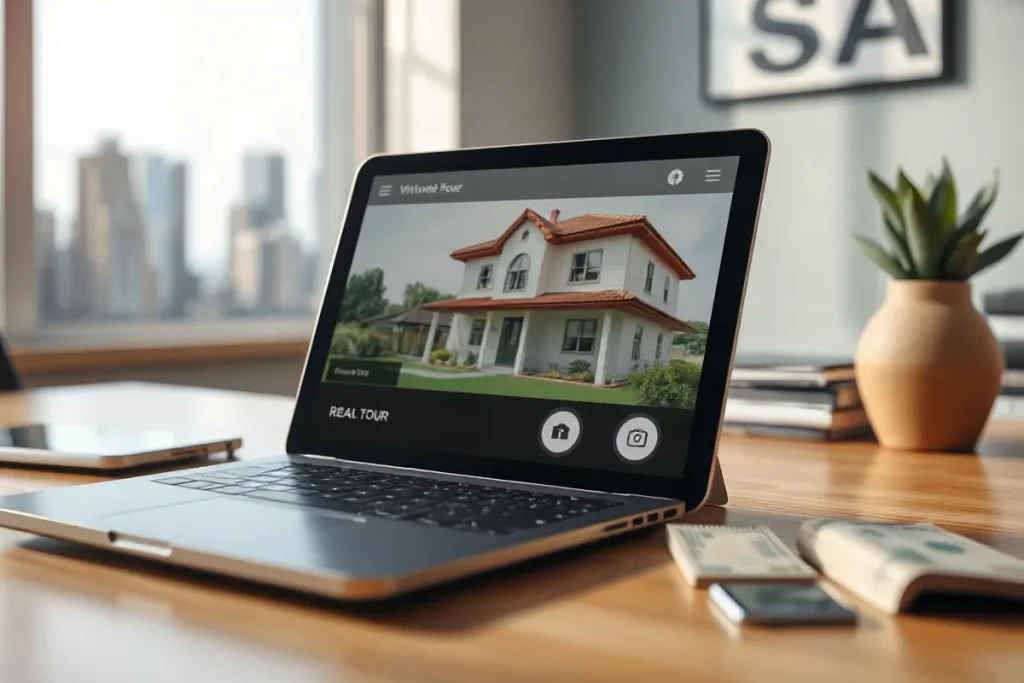
In the rapidly evolving landscape of real estate, the significance of virtual home tours has surged, reshaping how buyers engage with properties. A new report delves into the impact of these immersive experiences on property sales, revealing trends that could redefine industry standards. As potential homeowners increasingly seek convenience and accessibility, the integration of technology in showcasing homes has become more than just a luxury—it is now a necessity.
This report highlights key findings that demonstrate how virtual home tours not only enhance buyer interest but also expedite the sales process. By offering a detailed, interactive glimpse into properties, sellers can attract a wider audience and facilitate informed decision-making. As we explore the implications of this technology, it becomes clear that virtual tours are not just a passing trend but a transformative force in the real estate market of 2026.
Introduction to Virtual Home Tours
In the rapidly evolving landscape of real estate, virtual home tours have emerged as a game-changing technology, redefining how properties are showcased and sold. These immersive experiences allow prospective buyers to navigate homes from the comfort of their own devices, providing a detailed view of spaces that traditional photographs cannot convey. By employing advanced technologies such as 3D modeling and virtual reality, real estate professionals can present properties in a way that enhances buyer engagement and streamlines the decision-making process.
The rise of virtual home tours can be traced back to the COVID-19 pandemic, which necessitated innovative solutions in the face of social distancing measures. As physical showings became challenging, many real estate agents turned to virtual tours as a means to maintain buyer interest and facilitate property sales. This shift not only enabled buyers to explore homes remotely but also broadened the market reach for sellers, creating opportunities in a competitive environment. Recent studies indicate that properties featuring virtual tours can sell significantly faster and often at higher prices compared to those without, although the effectiveness of this technology can vary based on market conditions and the specific characteristics of the property.
The significance of the new report lies in its comprehensive examination of the impact of virtual home tours on property sales. By analyzing a wealth of data from recent transactions, the report aims to provide a clearer understanding of how virtual tours influence buyer behavior and sales outcomes. This research is particularly relevant in 2026, as the real estate market continues to adapt to technological advancements and evolving consumer preferences. As the industry grapples with these changes, stakeholders—including real estate agents, sellers, and buyers—stand to benefit from insights into the effectiveness of virtual tours as a marketing strategy. The findings could inform best practices for leveraging this technology to maximize property visibility and enhance overall sales performance.
The Benefits of Virtual Home Tours
The integration of virtual home tours into the real estate market has fundamentally transformed how properties are showcased and sold. One of the most significant benefits of these tours is the increased exposure they provide to potential buyers. By allowing prospective homeowners to explore properties from the comfort of their own devices, virtual tours attract a broader audience, including those who may be unable to visit in person due to distance or time constraints. This accessibility not only widens the pool of interested buyers but also enhances competition, potentially driving up sale prices. Research has shown that listings featuring virtual tours can generate significantly more interest, as buyers are increasingly inclined to engage with immersive content that offers a realistic glimpse into a property.
Moreover, the speed of sale is another compelling advantage of virtual home tours. Evidence suggests that properties equipped with 3D tours tend to sell more rapidly than those without. A recent study revealed that homes with virtual tours sold up to 31% faster, illustrating how this technology can streamline the buying process. This expedited timeline can be particularly beneficial in a fast-paced market, where timely decisions are critical. Sellers who leverage virtual tours may find themselves closing deals more efficiently, minimizing the time their property sits on the market and reducing holding costs.
Enhanced buyer engagement is perhaps the most notable aspect of virtual home tours. The immersive experience allows potential buyers to navigate a property at their own pace, providing them with a sense of ownership and familiarity before they even step through the front door. This interactive format not only showcases the property’s features but also helps buyers visualize how the space could meet their needs. As a result, buyers are likely to feel more invested in the properties they explore virtually, which can translate into higher offers and increased satisfaction throughout the purchasing process.
In conclusion, virtual home tours represent a powerful tool in the real estate sector, offering increased exposure, faster sales, and deeper engagement with potential buyers. As technology continues to evolve, their role in property transactions will likely become even more pronounced, making them an essential consideration for sellers in 2026 and beyond.
Market Variability and Effectiveness
The effectiveness of virtual home tours in enhancing property sales is significantly influenced by prevailing market conditions. In a competitive real estate environment, virtual tours can serve as a powerful tool to attract potential buyers. For instance, during periods of high demand, properties featuring immersive virtual experiences often see quicker sales and higher sale prices. Conversely, in a sluggish market, where inventory levels are high, the impact of virtual tours may be diminished as buyers have more options to consider, potentially leading to longer selling times. This variability underscores the importance of aligning virtual tour strategies with current market dynamics to maximize their effectiveness.
Additionally, the type of property and its location play crucial roles in determining the success of virtual tours. For example, larger, newer homes tend to benefit more from virtual tours, as these properties often attract tech-savvy buyers looking for convenience and efficiency in their home search. In contrast, older homes or those located in less desirable areas may not see the same level of engagement from virtual tour offerings. The demographic of potential buyers, including their technological preferences and lifestyle choices, also influences how impactful these virtual experiences can be.
Competition among listings further shapes the effectiveness of virtual tours. In markets with numerous similar properties, a well-executed virtual tour can differentiate a listing from others, making it more appealing to prospective buyers. Properties that leverage high-quality virtual tours often stand out, potentially leading to increased buyer interest and expedited sales. However, if multiple listings in the same area utilize virtual tours, the novelty factor diminishes, and the impact may not be as pronounced. Hence, understanding the competitive landscape is essential for real estate professionals looking to harness the full potential of virtual tours.
In summary, while virtual home tours can enhance buyer engagement and broaden exposure, their effectiveness is contingent upon market conditions, property types, and the competitive environment. As the real estate landscape continues to evolve, adapting virtual tour strategies to these factors will be crucial for sellers aiming to achieve optimal results in property sales.
Case Studies and Research Findings
Recent studies from reputable institutions such as Texas Tech University and the University of Texas at Dallas have shed light on the impact of virtual home tours on property sales. A comprehensive analysis from Texas Tech University, which examined over 143,000 property listings, revealed that homes featuring 3D virtual tours sold up to 31% faster than those without such offerings. Additionally, these properties commanded sale prices that were, on average, 9% higher. This data suggests that virtual tours significantly enhance buyer engagement and can lead to quicker sales, particularly for properties that might otherwise be challenging to show in person.
In contrast, a study conducted by the University of Texas at Dallas emphasized the financial advantages real estate platforms could reap by incorporating virtual reality tours into their marketing strategies. The senior author, Dr. Yong Tan, highlighted that these tours serve as valuable tools for prospective buyers, especially when considering larger, newer homes. This underscores the role of virtual tours in expanding the reach and appeal of properties, thereby attracting a wider audience.
However, findings are not universally positive. While some research indicates that virtual tours can expedite sales and increase prices, other studies suggest that their effectiveness may diminish in normal market conditions. For instance, a study analyzing data from 75,000 home sales found that while virtual tours were instrumental during the peak of the COVID-19 pandemic, they may not yield significant price increases in the current market. In fact, some evidence points to virtual tours potentially prolonging a property’s time on the market, particularly for listings that are already well-positioned.
The mixed outcomes highlight the importance of context in evaluating the effectiveness of virtual home tours. As the real estate landscape continues to evolve, the impact of virtual marketing strategies will likely depend on various factors, including property type, market conditions, and buyer preferences. Overall, while virtual tours enhance the buyer’s experience and broaden the exposure of properties, their ultimate influence on sale prices and time on market can vary considerably.
Challenges and Limitations
While virtual home tours offer numerous advantages, there are challenges and limitations that property sellers should consider. One significant concern is that virtual tours may not always enhance sales. In certain cases, properties may not receive the expected boost in buyer interest or sale prices. Factors such as market conditions, property type, and buyer demographics can influence the effectiveness of these tours. For instance, while upscale or unique properties might benefit from the added exposure provided by virtual tours, more conventional homes could see little to no improvement, leading to questions about the return on investment for sellers.
Another potential downside is the risk of prolonging a property’s time on the market. Although many sellers hope that virtual tours will expedite the selling process, some recent studies indicate that these tours do not guarantee a quicker sale. In fact, properties equipped with virtual tours may linger longer on the market than their traditional counterparts. This phenomenon may occur as buyers become overly reliant on virtual experiences, delaying their decision to visit in person. With a saturated market and shifting buyer expectations, sellers could face a frustrating scenario where a well-presented virtual tour does not translate into timely offers.
Furthermore, the buyer preferences landscape has evolved post-pandemic. While virtual tours gained popularity as a convenient and safe alternative during COVID-19, many buyers now express a renewed desire for in-person visits. This shift poses a challenge for sellers who may lean too heavily on digital marketing strategies in a market that increasingly values personal interaction. The tactile experience of walking through a home cannot be fully replicated online, and many purchasers still seek the emotional connection that comes from physically exploring a property.
In summary, while virtual home tours can enhance engagement and broaden exposure, sellers must navigate the complexities of changing buyer preferences, market dynamics, and the potential for extended time on the market. Understanding these challenges is essential for making informed decisions about incorporating virtual tours into a property sales strategy.
Future Trends in Virtual Home Tours
As technology continues to evolve, the landscape of virtual home tours is undergoing significant transformation. Emerging innovations such as augmented reality (AR) and artificial intelligence (AI) are poised to enhance the virtual tour experience, making it more immersive and interactive for potential buyers. For instance, AR applications may allow users to visualize their own furniture within a space, providing a personalized touch that traditional photography cannot offer. Furthermore, AI-driven analytics can help real estate agents gauge buyer behavior during these virtual tours, offering insights that can refine marketing strategies and improve engagement.
Looking ahead, the future impact of virtual tours on real estate marketing is likely to be profound. As the demand for remote viewing options remains high, particularly among younger buyers, real estate platforms are increasingly integrating advanced virtual tour technologies. Predictions indicate that by 2027, properties featuring virtual tours will become the standard rather than the exception, as buyers gravitate towards listings that allow them to explore homes from the comfort of their own devices. This shift not only broadens the potential buyer pool but also enhances the overall marketing appeal of properties, making them stand out in a competitive market.
The growing importance of virtual reality (VR) in property sales cannot be understated. Recent findings suggest that listings with VR tours can sell up to 31% faster and achieve sale prices up to 9% higher than homes without such features. As buyers become more accustomed to engaging with properties through VR, the technology will likely play a crucial role in shaping their purchasing decisions. The ability to conduct comprehensive virtual walkthroughs, combined with the convenience of online access, empowers buyers to make informed decisions before ever stepping foot in a property.
In summary, the future of virtual home tours looks promising, driven by technological advancements and changing buyer preferences. As these tools evolve, they will undoubtedly reshape the real estate marketing landscape, creating new opportunities for both sellers and buyers alike. The integration of AR, AI, and VR will not only enhance user experience but also redefine the standards for property engagement in 2026 and beyond.
Best Practices for Implementing Virtual Tours
Incorporating virtual tours into real estate marketing strategies can significantly enhance property visibility and buyer engagement. For real estate agents looking to effectively integrate these digital tools, there are several best practices to consider. First and foremost, agents should ensure that the virtual tours are high-quality, immersive experiences that accurately represent the properties. This means investing in professional-grade photography and utilizing the latest technology to create interactive 3D models. Engaging a skilled videographer or using user-friendly software can help achieve a polished final product without breaking the bank.
When it comes to marketing listings featuring virtual tours, agents should leverage multiple platforms to maximize exposure. Social media channels, real estate websites, and email newsletters are effective avenues for showcasing these tours. Using eye-catching visuals and strategic calls-to-action can entice potential buyers to explore listings further. Additionally, consider creating short promotional videos that highlight key features of the property, driving interest and encouraging viewers to take the virtual tour.
Cost-effective strategies for producing high-quality virtual content also play a pivotal role in implementation. Agents can explore various tools and software that offer affordable solutions for creating virtual tours, often with templates that simplify the process. It’s wise to compare different platforms to find one that fits both budget and usability needs. Furthermore, agents should consider the target market when deciding on the style and content of the virtual tour. For instance, highlighting unique features that resonate with the local demographic can enhance the tour’s effectiveness.
Ultimately, the success of virtual tours hinges on how well they are marketed and integrated into the overall sales strategy. Real estate agents can benefit from gathering feedback from buyers to continually improve the virtual tour experience. By staying attuned to market trends and buyer preferences, agents can refine their approaches, ensuring that virtual tours remain a valuable asset in the competitive landscape of property sales.
Conclusion: The Evolving Landscape of Real Estate Sales
The findings from the recent report on virtual home tours highlight a significant shift in the real estate landscape, revealing both opportunities and challenges for buyers and sellers alike. As noted, virtual tours have proven effective in enhancing buyer engagement and expanding the visibility of listings. Properties equipped with virtual tours have shown the potential to sell up to 31% faster and achieve sale prices that are approximately 9% higher, particularly in competitive markets. However, the effectiveness of these tours can vary considerably based on market conditions and the amount of time a property spends on the market. Although some studies indicate that virtual tours can propel sales, others suggest that they may not always lead to higher prices, emphasizing the nuanced impact of this technology in real estate transactions.
As we navigate this evolving landscape, it becomes increasingly clear that a balance must be struck between leveraging technology and maintaining traditional sales methods. While virtual tours provide an invaluable tool for remote house-hunting, especially for larger or newer homes, they cannot replace the tactile experience of an in-person visit. Sellers must consider the unique attributes of their properties and their target audience when deciding whether to incorporate virtual tours into their marketing strategy. For buyers, these tours offer a convenient way to evaluate potential homes, but the decision to purchase will still hinge on factors such as location, neighborhood dynamics, and personal preferences.
In an increasingly digital world, the relevance of virtual home tours is undeniable. As technology continues to evolve, it will likely play an even more prominent role in the real estate market. Buyers and sellers alike must remain adaptable, recognizing that the integration of virtual tools can enhance the overall buying and selling experience. Ultimately, those who embrace this technology while also valuing the traditional aspects of real estate will find themselves well-positioned to thrive in 2026 and beyond. The future of real estate sales is here, blending innovation with established practices to create a more dynamic and efficient marketplace.
Frequently asked questions
How much faster do homes sell with virtual tours?
Do virtual tours always increase sale prices?
What are the main challenges of using virtual tours?
Are virtual tours still effective post-COVID-19?
What technologies are shaping the future of virtual home tours?
Key takeaways
- Virtual home tours enhance buyer engagement and broaden property exposure.
- Their effectiveness varies significantly based on market conditions and property types.
- High-quality virtual tours can lead to faster sales but may not always increase sale prices.
- Understanding buyer preferences is crucial in leveraging virtual tours effectively.
- Future trends point towards greater integration of advanced technologies in virtual property marketing.
Sources
The University of Texas at Dallas, pmc.ncbi.nlm.nih.gov, Working Knowledge, topVIEW, Statistics (2026)

Topic guide: Analysis: The Complete Guide