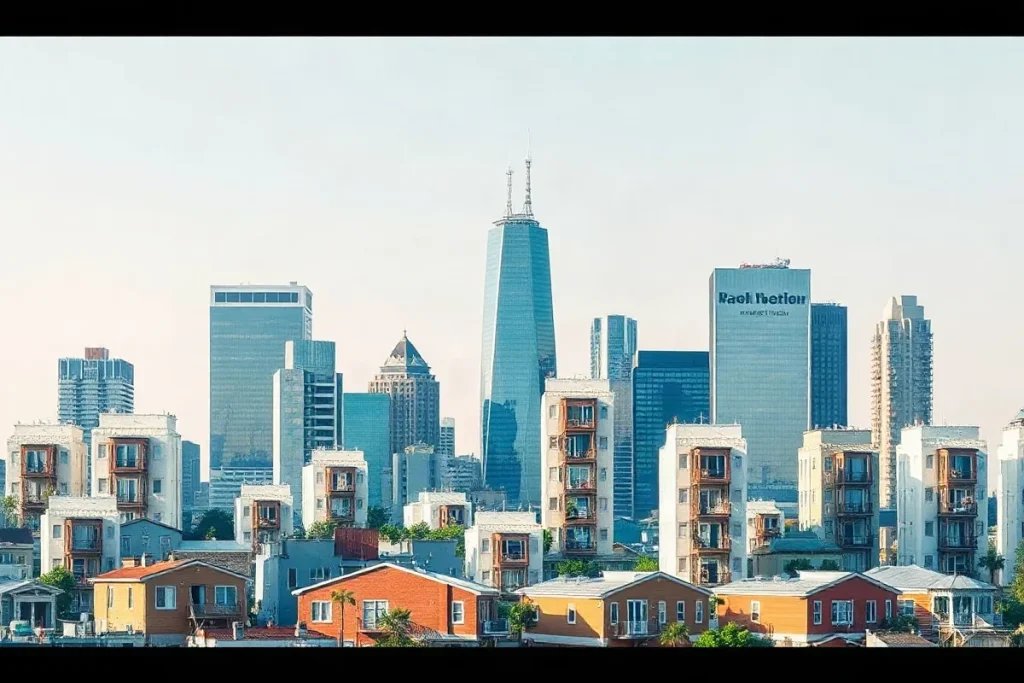
The landscape of urban accommodation is undergoing a significant transformation, with a new study revealing the rising popularity of short-term rentals in cities across the globe. As travelers increasingly seek unique and personalized experiences, short-term rentals are becoming a favored alternative to traditional hotels, reshaping how we think about urban living and tourism. This trend reflects a broader shift in consumer preferences, where convenience, affordability, and local immersion take precedence.
In 2026, the growth of platforms facilitating short-term rentals has made it easier than ever for property owners to tap into this lucrative market. For urban dwellers, this means a new opportunity to generate income from their properties, while travelers enjoy diverse options that cater to their specific needs. As cities adapt to this rising demand, understanding the implications of short-term rentals is crucial for stakeholders in the real estate and tourism sectors alike.
The Surge of Short-Term Rentals
The short-term rental (STR) market has experienced significant growth in urban areas since 2020, reflecting a shift in consumer preferences and market dynamics. This trend has been propelled by platforms like Airbnb and Vrbo, which have made it increasingly convenient for property owners to list their homes and for travelers to find affordable lodging alternatives to traditional hotels. The allure of STRs lies in their ability to provide unique accommodations that often reflect the character of the neighborhood, catering to a growing demand for authentic travel experiences.
Major cities have emerged as key markets in this surge of short-term rentals. Urban areas such as New York, San Francisco, and Los Angeles have seen a substantial increase in STR listings, contributing to the overall vibrancy of the local economy. However, this growth has not come without its challenges. The influx of short-term rentals has led to rising housing prices, exacerbating affordability issues and displacing some local residents in popular neighborhoods. For instance, in cities like Barcelona, the introduction of STRs in historic districts has raised rent prices by as much as 9 percent, highlighting the complex relationship between tourism and housing availability.
The appeal of short-term rentals is further enhanced by the competitive rates they often offer compared to conventional hotels. Travelers are increasingly drawn to STRs not only for their affordability but also for the flexibility they provide in terms of location and amenities. Many urban STRs boast high occupancy rates, often surpassing traditional hotels, which can struggle to maintain competitiveness in an evolving lodging landscape. As the demand for STRs continues to grow, so does the need for effective regulation to balance the interests of tourists, property owners, and local communities.
In summary, the surge of short-term rentals in urban areas reflects a broader transformation in how people choose to travel and experience cities. While platforms like Airbnb and Vrbo have facilitated this trend, they have also sparked important discussions about the implications for housing markets and the need for sustainable practices that protect local communities. As this sector evolves, stakeholders will need to navigate the complexities it presents to ensure that the benefits of STRs can be enjoyed by both visitors and residents alike.
Impact on Housing Markets
The rise of short-term rentals (STRs) in urban areas has significantly impacted housing markets, contributing to escalating housing prices and affecting local communities. As STRs become a popular alternative to traditional hotels, they create a competitive environment for housing. This competition often drives rental prices upward, particularly in sought-after neighborhoods. For instance, cities that have embraced short-term rentals have seen notable increases in average rent prices. In some urban centers, rent has surged by as much as 9% in areas heavily populated with STRs compared to less affected locales. This escalation not only burdens renters but also complicates homeownership prospects for many residents.
Moreover, the proliferation of STRs has led to the displacement of long-term residents. In cities like Barcelona, the influx of short-term rental properties has resulted in local communities being pushed out of their neighborhoods, as landlords prioritize lucrative short-term leases over stable, long-term tenants. This trend raises concerns about the fabric of urban life, as familiar faces are replaced by transient visitors, diminishing community ties and cultural continuity. As housing becomes increasingly unaffordable, many locals find themselves forced to relocate to less desirable or more distant areas, exacerbating social inequalities.
The comparison of housing markets before and after the introduction of STRs reveals a stark transformation. Prior to the STR boom, urban housing was generally more accessible, with a greater availability of rental units for local families and individuals. However, the surge in STRs has tightened the housing market, leading to a decrease in the number of available long-term rentals. In many urban areas, vacancy rates have plummeted, indicating that more properties are being allocated for short-term use rather than being available for traditional rental. This shift not only inflates rental prices but also limits the options available for those seeking affordable housing solutions.
In summary, while short-term rentals offer an alternative accommodation choice for tourists and business travelers, their impact on housing markets cannot be overlooked. The rising prices and displacement of local communities highlight the complexities that come with the growing popularity of STRs, calling for a balanced approach to regulation and urban planning to protect both residents and the vibrancy of city life.
Economic Benefits of Short-Term Rentals
The rise of short-term rentals (STRs) has ushered in a wave of economic benefits for property owners and local businesses alike. For homeowners, converting a property into a short-term rental can generate significant income, often exceeding traditional long-term rental rates. This monetization of property not only provides financial relief but also allows homeowners to leverage their assets in a way that can fund renovations, education, or savings. Moreover, the flexibility of short-term rentals enables owners to retain personal use of their properties, striking a balance between income generation and personal enjoyment.
Local businesses also stand to gain from the burgeoning STR market. Tourists and visitors staying in short-term rentals typically seek out nearby amenities such as restaurants, shops, and entertainment venues, infusing cash into the local economy. This increased foot traffic can be particularly beneficial for small businesses that thrive on local patronage. Additionally, STR guests often prefer authentic, local experiences over traditional tourist activities, encouraging a diverse range of service providers to cater to these new demands. This shift can spur innovation and growth within local industries, fostering a vibrant economic ecosystem.
Furthermore, the proliferation of short-term rentals contributes to job creation within urban environments. The management and maintenance of these rentals often require additional staffing, from cleaning services to property management companies, thereby generating employment opportunities in various sectors. As the demand for STRs rises, so too does the need for support services, creating jobs that can offer stable income for local residents.
Tax revenues from short-term rentals represent another significant economic advantage for local governments. Many municipalities have begun to impose taxes on STRs, similar to hotel occupancy taxes. These revenues can be substantial, providing funding for public services, infrastructure improvements, and community development projects. As cities adapt to the growing presence of short-term rentals, they can harness these funds to enhance local amenities and maintain urban spaces, ultimately benefiting residents and visitors alike.
In summary, the economic landscape shaped by short-term rentals is multifaceted, providing substantial benefits for property owners, local businesses, and governments. As this market continues to evolve, its impact on urban economies is likely to deepen, presenting both opportunities and challenges that will require thoughtful management and policy considerations.
Challenges Faced by Local Residents
The rising popularity of short-term rentals (STRs) in urban areas has sparked a range of challenges for local residents. Chief among these concerns is the issue of noise and disruption. Many neighborhoods have seen an influx of transient guests, leading to increased foot traffic and activities that can disturb the peace. Residents frequently report disturbances from parties, late-night gatherings, and general commotion associated with short-term stays. This disruption can significantly affect the quality of life for those who reside in close proximity to STRs, as the predictability of a quiet neighborhood is often compromised.
Maintaining community cohesion is another significant challenge. The presence of short-term rentals can lead to a shift in the demographic makeup of neighborhoods, as short-term visitors replace long-term residents. This turnover can erode the sense of belonging and community ties that are essential to urban living. Long-standing residents may find themselves feeling alienated as they encounter a constant stream of new faces, which can diminish the shared experiences and relationships that bind a community together. Furthermore, the economic benefits often touted by STR advocates do not always translate into improvements for local neighborhoods, leaving many residents questioning the true value of these rentals in their communities.
In response to these challenges, various regulatory measures are being explored by city officials and local governments. Some municipalities have implemented stricter regulations on STRs, such as capping the number of rentals allowed in certain areas, requiring licenses for hosts, or imposing limits on rental durations. These regulatory efforts aim to strike a balance between the economic advantages of STRs and the need to protect residential neighborhoods from the potential negative impacts. Additionally, community engagement in the regulatory process is becoming increasingly important, as local residents seek a voice in how their neighborhoods are managed in the face of rapid change.
As the popularity of short-term rentals continues to rise, it is essential for cities to navigate these challenges thoughtfully. Finding solutions that address the concerns of local residents while also accommodating the growing demand for alternative lodging options will be crucial in maintaining the vitality and integrity of urban communities.
Comparative Analysis: Urban vs. Rural STRs
The short-term rental (STR) landscape is increasingly defined by a stark dichotomy between urban and rural offerings. Urban STRs primarily cater to travelers seeking convenience, accessibility, and proximity to major attractions, cultural sites, and business centers. In cities, these rentals often compete directly with traditional hotels, providing a more economical alternative for visitors. However, the surge in urban STRs has sparked concerns about their impact on local housing markets, driving up rental prices and contributing to the displacement of long-term residents. This has led to a complex dynamic where the benefits of affordable lodging for tourists come at a significant cost to local communities.
In contrast, rural STRs emphasize unique experiences that capitalize on their natural surroundings and local charm. These rentals often attract guests looking for an escape from urban life, offering opportunities for outdoor activities, tranquility, and immersion in nature. Many rural STRs are positioned in scenic locations, providing guests with memorable experiences that hotels often cannot match. This focus on experiential travel helps differentiate rural STRs from their urban counterparts, appealing to a demographic that prioritizes quality of life and unique adventures over convenience.
When analyzing occupancy rates and profitability, urban STRs exhibit a competitive edge due to their higher turnover and demand from business travelers and tourists alike. Reports indicate that urban STRs frequently experience occupancy rates in the range of 70-90%, depending on the season and location. Conversely, rural STRs may face lower occupancy rates, often hovering between 50-70%. However, the profitability of rural STRs can be enhanced by their ability to command higher nightly rates, particularly during peak travel seasons when travelers are willing to pay a premium for distinctive experiences.
Ultimately, the success of each STR type is influenced by various factors, including market saturation, local regulations, and traveler preferences. While urban STRs thrive on volume and consistent demand, rural STRs carve out a niche by offering guests something different — a chance to connect with nature and escape the hustle and bustle of city life. As the STR market continues to evolve, understanding these distinctions will be crucial for investors and property owners looking to navigate the complexities of this dynamic industry.
Case Studies from Major Cities
In recent years, cities such as Los Angeles and Philadelphia have found themselves at the forefront of the short-term rental (STR) debate, grappling with the dual pressures of rising housing costs and the growing popularity of platforms like Airbnb. The dynamics in these urban settings illustrate how short-term rentals can yield both opportunities and challenges. In Los Angeles, the proliferation of STRs has been linked to an increase in housing prices, particularly in neighborhoods that were once more affordable. A recent study highlighted that the availability of STRs contributed to escalating rents, which in turn displaced long-term residents and altered the fabric of local communities. As the city continues to experience a housing crunch, local officials have implemented measures to regulate STRs. For instance, the city enacted strict licensing requirements and limited the number of days a property can be rented out without the owner present, aiming to strike a balance between tourism and housing security.
Philadelphia presents a contrasting yet equally compelling case. Here, the STR market has flourished, with occupancy rates nearing 91%. However, the impact on local housing dynamics has raised significant concerns. The presence of STRs in certain neighborhoods has led to increased competition for rental units, further tightening an already fragile housing market. In response, Philadelphia’s local government has taken a proactive stance by introducing a comprehensive regulatory framework. This includes zoning laws that restrict where STRs can operate, as well as requiring hosts to register their properties and adhere to safety standards. Such strategies are designed to minimize disruption to residential communities while still allowing for the economic benefits that STRs can provide.
Through these case studies, it’s clear that successful management of short-term rentals in urban areas hinges on a collaborative approach between local governments, property owners, and community members. By prioritizing regulations that protect housing availability and quality of life, cities can harness the benefits of STRs without sacrificing the needs of their residents. The experiences of Los Angeles and Philadelphia serve as vital lessons for other urban centers facing similar challenges, emphasizing the importance of tailored solutions that reflect the unique characteristics of each locality.
Future Trends in Short-Term Rentals
The future trajectory of the short-term rental (STR) market through 2026 appears poised for significant transformation, driven by shifting consumer preferences and technological advancements. As urban centers continue to attract tourists and business travelers, the demand for STRs is expected to grow. This trend reflects a broader societal shift towards flexible and experiential accommodations, where travelers seek the comforts of home combined with the convenience of location. The rise of remote work has also contributed to this demand, with many individuals opting for longer stays in urban areas, further solidifying the role of STRs as a popular lodging option.
Technological advancements are set to revolutionize the STR landscape. The integration of smart home technology, such as automated check-ins, energy-efficient systems, and enhanced security features, will likely enhance the guest experience and streamline property management. Additionally, platforms are increasingly utilizing data analytics to optimize pricing strategies and improve occupancy rates. These tools will enable hosts to better understand market trends and consumer behaviors, facilitating more strategic decision-making. As these technologies become standard practice, they will not only improve operational efficiency for hosts but also elevate the overall guest experience, making STRs more appealing.
Moreover, consumer preferences have evolved in the aftermath of the pandemic. Travelers are now more inclined to seek out accommodations that prioritize safety, cleanliness, and convenience. This shift has led to a heightened focus on properties that offer unique experiences, such as those featuring local culture or sustainable practices. STRs that can effectively cater to these preferences are likely to thrive in the coming years. Additionally, as travelers become more conscientious about their environmental impact, properties that emphasize eco-friendly practices may gain a competitive edge.
In summary, the short-term rental market is on the brink of significant evolution through 2026. With technological innovations enhancing operational capabilities and changing consumer preferences shaping demand, STRs are set to remain a vital component of urban hospitality. The ongoing challenge will be to balance the benefits of STRs with their impact on local communities and housing markets, ensuring that these accommodations contribute positively to urban life.
Regulatory Landscape and Its Evolution
The regulatory landscape surrounding short-term rentals (STRs) in urban areas is rapidly evolving as local governments grapple with the implications of this booming market. In 2026, many cities are actively addressing concerns about the impact of STRs on housing availability, affordability, and community dynamics. Regulations vary widely, with some municipalities imposing strict limits on the number of days a property can be rented, while others require registration and payment of fees to operate legally. For instance, cities like New York and San Francisco have implemented comprehensive frameworks that include zoning laws, occupancy limits, and mandatory licenses, aiming to balance the interests of homeowners, renters, and visitors.
Local governments play a crucial role in managing the growth of STRs, often facing pressure from residents who are concerned about rising rental prices and neighborhood changes. In many urban settings, STRs are perceived as exacerbating housing shortages by converting long-term rental units into tourist accommodations. This has led to intensified scrutiny and calls for regulation from community members and advocacy groups. Local authorities are increasingly looking to create policies that not only mitigate the negative impacts of STRs but also harness their economic potential. For example, some cities have introduced tax incentives for property owners who maintain long-term rentals or have established frameworks that allow for a limited number of STRs in designated areas.
Successful regulatory models can be observed in various urban centers, showcasing different approaches to balancing the benefits and drawbacks of STRs. In Barcelona, for instance, the city has implemented a licensing system that restricts the number of licenses granted, thereby controlling the supply of STRs and preserving affordable housing. Similarly, cities like Amsterdam have adopted a cap on the number of nights a property can be rented out, allowing for greater oversight while still accommodating short-term visitors. These models highlight the importance of adapting regulations to the unique characteristics of each city, ensuring that policies are effective in addressing local challenges while supporting economic growth through tourism.
As the demand for STRs continues to rise, the regulatory landscape will likely remain dynamic, with ongoing adjustments necessary to respond to the evolving needs of urban communities. Local governments must remain vigilant in their efforts to create equitable environments that serve both residents and visitors, striking a balance that supports sustainable urban living.
Frequently asked questions
What are short-term rentals?
How do short-term rentals impact local housing markets?
What benefits do short-term rentals provide to local economies?
Are there regulations for short-term rentals in cities?
What distinguishes urban STRs from rural STRs?
Key takeaways
- Short-term rentals are reshaping urban housing markets.
- They provide economic benefits but also raise community concerns.
- Regulatory frameworks are evolving to address the impacts of STRs.
- The future of STRs will likely be influenced by technology and consumer trends.
- Urban areas are experiencing distinct challenges compared to rural settings.
Sources
rural.pa.gov, urban.org, doorloop.com, mylighthouse.com, sciencedirect.com

Topic guide: Analysis: The Complete Guide