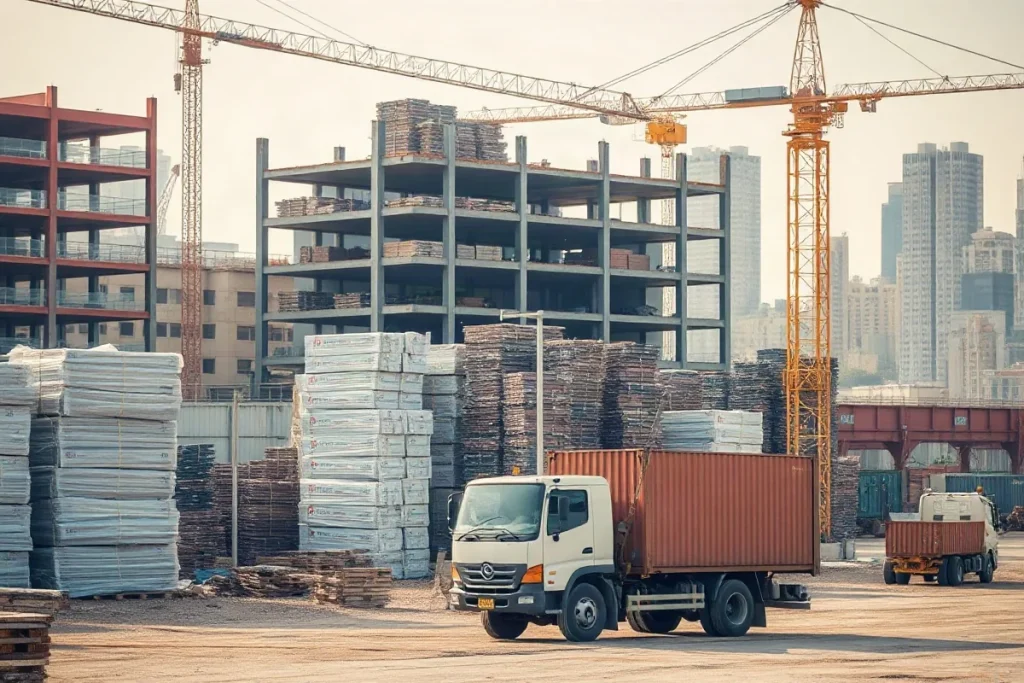
In 2026, the construction industry is grappling with unprecedented challenges, primarily driven by rising construction costs that have been linked to ongoing supply chain disruptions. A recent study sheds light on the intricate relationship between these escalating expenses and the fractured logistics that have plagued the sector. As demand for new projects surges in a recovering economy, the constraints on materials and labor are causing projects to exceed budgets and timelines.
The findings highlight how global events, trade policies, and even environmental factors have contributed to these disruptions, ultimately forcing construction companies to adapt or risk financial strain. As we delve into this study, it becomes clear that understanding the nuances of supply chain dynamics is crucial for stakeholders aiming to navigate the complexities of construction in today’s volatile market.
Understanding the Current Landscape of Construction Costs
The construction landscape in 2026 is characterized by a significant rise in costs, primarily driven by supply chain disruptions that have emerged as a critical issue for the industry. As observed in recent data, nonresidential construction input prices surged at an annualized rate of 12.6 percent in the early months of the year, marking the fastest increase since supply chain issues began to surface. This sharp escalation in costs is affecting not only construction firms but also consumers, as the higher expenses are passed down the chain, resulting in increased home prices and project bids.
Several key factors are contributing to the ongoing rise in construction costs. First and foremost, tariffs on imported materials have led to heightened procurement expenses, particularly for essential commodities like steel and aluminum. Additionally, labor shortages continue to plague the industry, exacerbating delays and increasing the costs associated with hiring and training new workers. Compounding these issues are extreme weather events and aging infrastructure, which have become more frequent and severe, impacting logistics and material availability. Furthermore, a rise in cyberattacks targeting logistics and supply chain systems has introduced an additional layer of vulnerability, disrupting operations and causing unforeseen delays.
Understanding these rising construction costs is crucial for all stakeholders involved in the industry. For developers and contractors, being aware of these trends allows for better project planning and budgeting, helping to mitigate potential financial risks. Similarly, investors and buyers need to grasp the implications of these costs as they navigate the real estate market. The volatility in construction expenses not only affects project timelines but also influences investment decisions. As the landscape continues to evolve, stakeholders must remain vigilant and informed about the myriad factors at play to make sound financial choices.
In summary, the construction sector in 2026 faces significant challenges due to rising costs linked to supply chain disruptions. Factors such as tariffs, labor shortages, extreme weather, and cybersecurity threats are contributing to this landscape of increased expenses, necessitating a deeper understanding from all parties involved.
The Role of Supply Chain Disruptions
The construction industry in 2026 is grappling with significant supply chain disruptions that have become increasingly evident. A confluence of factors such as tariffs, labor shortages, and the repercussions of extreme weather events have severely affected the availability and pricing of essential materials. These disruptions are not merely transient; they reflect a broader trend where local supply chains are intricately tied to global events, leading to unpredictable fluctuations in construction costs.
One of the most pressing issues has been the increase in tariffs on critical construction materials. These tariffs have exacerbated already high material costs, particularly for imports such as steel and aluminum. As manufacturers adjust to these increased expenses, the impact cascades down to construction firms, which must either absorb the costs or pass them on to clients. Coupled with this are labor shortages that have been intensified by a combination of demographic shifts and the ongoing effects of the pandemic, making it difficult for projects to secure skilled workers. This shortage not only delays timelines but also elevates labor costs, further straining budgets.
Extreme weather events, a growing concern in recent years, have also taken their toll. Hurricanes, floods, and wildfires disrupt logistics and transportation networks, leading to delays in material delivery. The compound effect of these events creates a volatile market where prices can surge unexpectedly. For instance, materials such as lumber, concrete, and insulation have seen significant price increases due to both supply constraints and heightened demand as homeowners undertake renovations and new builds.
In summary, the construction sector in 2026 is facing a perfect storm of supply chain challenges. The interplay of tariffs, labor shortages, and extreme weather events has created a landscape marked by rising costs and delays. As the industry seeks to navigate these turbulent waters, it remains to be seen how stakeholders will adapt to mitigate these impacts and ensure the timely completion of construction projects. The need for strategic planning and resilient supply chains has never been more crucial.
Economic Factors at Play
In 2026, the construction industry is grappling with significant economic factors that are driving up costs and causing delays in project timelines. One of the most pressing issues is the impact of tariffs on material procurement. Increased tariffs on imported goods, particularly critical construction materials like steel and aluminum, have led to a rapid escalation in costs. These higher expenses are not only affecting the margins of construction companies but are also pushing project bids upward as contractors seek to cover their increased procurement costs. As a result, consumers and developers alike are feeling the pinch, with rising material prices being passed down the line, ultimately leading to inflated home prices and construction bids.
Inflation continues to be a major concern, compounding the challenges faced by the construction sector. The annualized rate of nonresidential construction input prices surged by 12.6 percent in early 2026, marking the steepest increase since the onset of supply chain disruptions. This inflationary pressure is further exacerbated by persistent labor shortages, which are hindering the ability of construction firms to recruit skilled workers. The scarcity of labor not only drives up wages but also slows down project completion rates, leading to cascading impacts on budgets and timelines. As construction companies struggle to find enough qualified personnel, projects are often delayed, which can inflate costs even further.
Moreover, the confluence of these economic factors creates a volatile landscape for construction projects. The uncertainties arising from geopolitical tensions, aging infrastructure, and extreme weather events are contributing to a precarious supply chain environment. Construction firms are now facing the additional challenge of managing risks associated with cyberattacks that target logistics systems. These compounded risks threaten to create a cascading effect, where delays and cost overruns become the norm rather than the exception. As the industry navigates these complexities, stakeholders must remain vigilant and adaptable to mitigate the financial impacts and ensure that projects remain on track despite the headwinds.
Labor Shortages and Their Consequences
The construction sector in 2026 is grappling with significant labor shortages that have intensified the challenges posed by supply chain disruptions. The current labor market shows a pronounced deficit of skilled workers, which has been exacerbated by factors such as an aging workforce and a lack of new entrants into the field. As construction companies rush to meet the demand for new projects, the inability to secure sufficient manpower not only hampers productivity but also leads to increased project timelines. This scarcity of labor is reflected in the rising costs of construction, with nonresidential input prices surging at an annualized rate of 12.6 percent during the early months of 2026. Such dramatic cost increases can be traced back to the ripple effects of labor shortages, where delays in project completion lead to greater financial burdens.
The impact of these labor shortages extends beyond just scheduling; it also significantly affects the overall costs associated with construction projects. When firms struggle to find qualified workers, they are often compelled to offer higher wages and more attractive benefits to attract talent. This, in turn, drives up operational expenses, which are frequently passed on to consumers in the form of higher project bids and home prices. Furthermore, the combination of labor shortages and ongoing supply chain issues creates a precarious environment where construction firms must navigate escalating costs while striving to meet deadlines. This volatility can lead to disillusionment among stakeholders, as unexpected expenses and delays undermine the financial viability of projects.
To mitigate these challenges, construction firms are adopting several proactive strategies. Many are investing in training programs aimed at upskilling their current workforce, thereby enhancing productivity without the need for additional hires. Additionally, firms are leveraging technology to streamline processes and improve efficiency. The rise of automation and construction management software allows companies to better allocate resources and manage schedules, reducing the impact of labor shortages. Some organizations are also exploring partnerships with educational institutions to create pipelines for new talent entering the industry. By implementing these strategies, construction firms aim to navigate the complexities of the current labor market and maintain project momentum amidst rising costs and supply chain disruptions.
Geopolitical Tensions and Their Impact
Geopolitical tensions have emerged as a significant factor influencing the availability of construction materials, contributing to the rising costs seen in 2026. As nations grapple with fragmented alliances, trade policies are shifting, often resulting in tariffs that impact the cost and accessibility of essential construction materials. For instance, increased tariffs on steel and aluminum have been proposed, creating ripples throughout the supply chain and raising the stakes for procurement teams tasked with managing budgets amidst these unpredictable costs. The impact is not merely theoretical; it translates directly into higher project bids and home prices, as these costs inevitably trickle down to consumers.
Several case studies illustrate the tangible effects of geopolitical fragmentation on supply chains. One notable incident involved restrictions on the export of critical raw materials by certain countries, which created immediate shortages in the construction sector. This was further compounded by labor shortages exacerbated by pandemic-related disruptions and the rising trend of cyberattacks on logistics systems, which surged by 61% in 2025. Such incidents highlight how interconnected global supply chains are vulnerable to a myriad of risks, including political instability and economic sanctions, which can lead to a cascade of delays and cost escalations.
The long-term implications for the construction industry are significant. As project timelines expand and budgets swell, developers may find themselves reevaluating their strategies for sourcing materials and managing costs. The construction landscape may also see a shift towards more localized supply chains, as businesses seek to minimize exposure to international disruptions. As companies adapt, they might invest in technology to better predict and mitigate the impacts of geopolitical shifts, thereby enhancing resilience in their operations.
- Increased material costs due to tariffs and trade restrictions.
- Labor shortages affecting project timelines and costs.
- Cybersecurity threats targeting logistics systems, leading to further disruptions.
- Potential shift towards local sourcing to reduce vulnerability.
In conclusion, the interplay of geopolitical tensions is reshaping the construction industry in 2026, necessitating a proactive approach to supply chain management to navigate the ongoing volatility.
Extreme Weather Events and Infrastructure Strain
As climate change intensifies, the construction industry is feeling the brunt of extreme weather events, which are increasingly disrupting supply chains and driving up costs. Natural disasters such as hurricanes, floods, and wildfires are not just sporadic events; they are becoming more frequent and severe due to changing climate patterns. These disruptions can halt material delivery, damage existing infrastructure, and create labor shortages as workers are displaced or occupied with recovery efforts. The result is a ripple effect felt across the entire construction sector, where projects face delays and heightened expenses.
In 2026, the impact of these extreme weather events is starkly illustrated by the rising costs in nonresidential construction, which surged at an annualized rate of 12.6 percent in the early months of the year. This sharp increase is indicative of how supply chain disruptions, exacerbated by factors such as extreme weather and geopolitical tensions, are driving prices higher. For contractors and developers, these unpredictable fluctuations in costs create a challenging environment, making it difficult to adhere to budgets and timelines.
Moreover, the current state of the construction industry highlights the urgent need for resilient building practices. As the likelihood of adverse weather conditions grows, construction firms are increasingly adopting strategies aimed at bolstering their infrastructure against such events. These strategies may include utilizing more durable materials, integrating advanced technologies for better forecasting and project management, and investing in sustainable practices that minimize environmental impact. By prioritizing resilience, the construction sector can not only mitigate the immediate effects of climate-related disruptions but also contribute to long-term sustainability goals.
As stakeholders across the industry navigate these challenges, it is crucial to recognize the interconnectedness of climate change and construction costs. With the ongoing volatility in supply chains and the looming threat of extreme weather, the construction industry must adapt to ensure that it can withstand future shocks while continuing to meet the demands for new infrastructure and housing.
The Ripple Effect on Consumers and Housing Market
In 2026, rising construction costs driven by supply chain disruptions are significantly affecting the housing market, leading to increased home prices and impacting buyers’ affordability. Factors such as tariffs, labor shortages, and the aftermath of extreme weather events have combined to create a volatile environment for construction. According to recent data, nonresidential construction input prices have surged at an annualized rate of 12.6 percent, marking the fastest escalation observed in recent years. This upward pressure on costs is not limited to commercial projects; it is being felt throughout the residential sector as well, directly impacting potential homebuyers.
As construction companies grapple with rising material and labor costs, these expenses are increasingly being passed onto consumers. This translates to higher home prices, making it more challenging for first-time buyers and those on tighter budgets to enter the housing market. The current landscape has led to a situation where many prospective homeowners must reconsider their options, potentially delaying purchases or opting for smaller or less desirable properties. Additionally, the ongoing uncertainty regarding supply chain stability raises concerns for both buyers and builders alike, as project timelines become less predictable and costs continue to fluctuate.
Looking ahead, the outlook for housing affordability remains bleak. Analysts predict that unless there is a significant improvement in supply chain efficiency and a stabilization of material costs, home prices are likely to continue their upward trajectory. This trend could exacerbate existing disparities in homeownership and make it increasingly difficult for younger generations to secure homes. To navigate this challenging environment, industry stakeholders may need to explore innovative solutions such as modular construction, alternative materials, and improved supply chain management strategies to mitigate the impact of these disruptions.
In summary, the ripple effects of rising construction costs are creating a complex landscape for consumers in the housing market. As prices continue to climb, the dream of homeownership may become increasingly elusive for many, raising important questions about the future of housing affordability in the years to come.
Navigating the Future: Strategies for Mitigation
In 2026, rising construction costs due to supply chain disruptions present a formidable challenge for construction firms. To effectively manage these risks, companies must adopt a multifaceted approach that emphasizes best practices, technological investments, and collaborative strategies among stakeholders. The increasing complexity of the landscape, marked by tariffs, labor shortages, and extreme weather events, necessitates a proactive stance to mitigate potential setbacks.
One of the best practices for construction firms is to develop a comprehensive risk management framework that identifies vulnerabilities within the supply chain. This includes conducting regular assessments of supplier reliability, material availability, and geopolitical factors that may affect procurement. By diversifying suppliers and securing multiple sources for key materials, construction firms can build resilience against sudden price hikes or shortages. Furthermore, companies should consider establishing long-term contracts with suppliers to lock in prices and create stability in budgeting.
Investment in technology and infrastructure improvements is crucial for navigating these turbulent waters. Advanced software solutions that enhance supply chain visibility can help firms track materials in real-time, predict potential delays, and adjust project timelines accordingly. Additionally, integrating data analytics can provide insights into market trends, allowing firms to make informed purchasing decisions. Infrastructure upgrades, such as modernized logistics systems, are also essential in improving efficiency and reducing vulnerabilities to disruptions.
Collaboration among stakeholders plays a pivotal role in addressing the challenges posed by supply chain disruptions. Engaging in open communication with suppliers, subcontractors, and clients can foster a collective approach to problem-solving. Industry partnerships can facilitate knowledge sharing and best practices, ultimately leading to more robust strategies for overcoming obstacles. By working together, stakeholders can advocate for policies that address broader systemic issues, such as labor shortages or infrastructure investments, ensuring a healthier construction ecosystem for all.
In summary, the construction industry in 2026 must embrace a proactive and collaborative approach to navigate the uncertainties of supply chain disruptions. By implementing best practices, investing in technology, and fostering stakeholder collaboration, firms can better manage risks and maintain project viability in an increasingly challenging environment.
Frequently asked questions
What are the main reasons for rising construction costs in 2026?
How do supply chain disruptions affect housing development?
What can construction companies do to mitigate rising costs?
Are labor shortages a significant issue in the construction industry?
What long-term effects might supply chain issues have on the housing market?
Key takeaways
- Supply chain disruptions are a leading cause of rising construction costs in 2026.
- Labor shortages and tariffs significantly impact material prices and project timelines.
- Extreme weather events are increasingly straining construction infrastructure.
- Collaboration and technology investment are essential for mitigating future risks.
- The ripple effect of rising costs is felt by buyers and the broader housing market.
Sources
Q2 Update, WSI, DPR Construction, NetSuite, Ivalua

Topic guide: Analysis: The Complete Guide