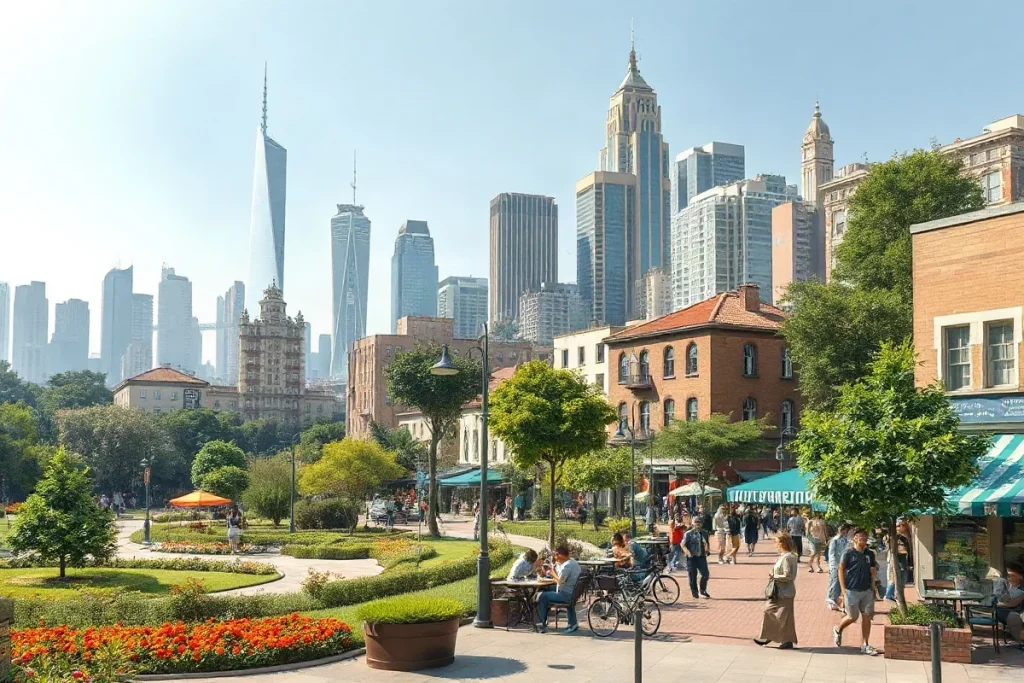
The rise of remote work has reshaped the professional landscape, leading to significant shifts in urban rental markets across the globe. A new report delves into this phenomenon, revealing how the flexibility of working from home has altered demand and pricing in metropolitan areas. As more employees and employers embrace the remote work model, understanding its impact on urban rentals becomes crucial for investors, landlords, and tenants alike.
This comprehensive analysis not only highlights the emerging trends but also offers insights into how cities are adapting to these changes. With many individuals opting for suburban or even rural living, the traditional urban rental market faces unprecedented challenges and opportunities. As we explore these findings, we uncover what the future may hold for urban housing amidst the ongoing evolution of work.
The Rise of Remote Work: A New Era
The COVID-19 pandemic acted as a pivotal catalyst for the widespread adoption of remote work, fundamentally altering the landscape of urban living and rental markets. As businesses shifted to remote operations to ensure employee safety, millions of workers found themselves transitioning from traditional office environments to home-based setups. This shift has been profound, with a 2026 study indicating that over 40% of workers now engage in remote work at least part-time, a significant increase from pre-pandemic levels. This transition reflects a broader acceptance of flexible work arrangements, which are likely to persist long after the pandemic has receded.
The implications of this shift are far-reaching, particularly concerning urban rental markets. As remote work becomes entrenched in the corporate fabric, the demand for residential space has surged. Renters are increasingly prioritizing comfort and amenities over proximity to urban centers, leading to a noticeable increase in rental prices across suburban and rural areas. According to recent analyses, this trend has been a major driver behind the 18.9% rise in U.S. real house prices from 2019 to 2026, with remote work accounting for over half of this increase. City dwellers are now gravitating towards properties that offer more space, access to nature, and amenities conducive to a home office environment.
Moreover, commuting patterns are undergoing a transformation as well. The reduction of daily commutes has not only altered traffic dynamics but has also encouraged urban centers to redefine their appeal. While foot traffic to traditional commuting destinations has diminished, visits to amenity-rich locations have surged, suggesting that remote workers are seeking environments that enhance their quality of life. This shift could lead to a reimagining of urban spaces, with a focus on creating vibrant, community-oriented areas that cater to the preferences of remote workers.
In summary, the rise of remote work has not only reshaped individual living situations but has also influenced broader economic trends within urban rental markets. As the landscape continues to evolve, the long-term effects of this transition will likely redefine what it means to live and work in urban settings.
Changing Preferences Among Renters
The shift towards remote work has significantly transformed the preferences of renters in urban markets, leading to a notable desire for larger living spaces and enhanced amenities. As the traditional notion of commuting to an office has become less relevant for many, renters are prioritizing comfort and functionality over proximity to their workplaces. This trend has resulted in a marked increase in demand for residences that accommodate a more flexible lifestyle, allowing individuals to seamlessly blend their work and personal lives.
One of the most prominent changes in renters’ preferences is the growing emphasis on home offices. With many professionals now working from home either full-time or part-time, the need for a dedicated workspace has surged. Renters are actively seeking properties that offer not only additional square footage but also designated areas that can be transformed into productive work environments. Similarly, outdoor spaces have gained priority, as individuals look for a refuge where they can unwind or engage in leisure activities without having to venture far from home. Balconies, gardens, and communal outdoor areas are becoming essential features that enhance the living experience.
Demographic differences also play a crucial role in shaping these preferences. Younger renters, particularly millennials and Gen Z, often prioritize modern amenities and flexibility, favoring apartments with smart home technologies and community features that enhance social interaction. In contrast, older generations may place a higher value on stability, seeking larger units that accommodate families or multi-generational living. Furthermore, urban professionals who have embraced remote work are increasingly drawn to suburban locations that offer more space and a quieter lifestyle, indicating a shift in where people want to live.
As the housing market adapts to these changing preferences, property developers and landlords must take note of the evolving demands of renters. Those who can provide spacious living environments equipped with essential amenities are likely to thrive in this new landscape. The ongoing transformation of urban rental markets highlights the importance of understanding tenant needs, as the desire for comfort and adaptability continues to reshape the way people approach their living situations.
Impact on Rental Prices and Housing Demand
The rise of remote work has significantly reshaped urban rental markets, leading to notable increases in rental prices across various regions. As professionals enjoy the flexibility of working from home, many have re-evaluated their living situations, often opting for larger residences that prioritize comfort and amenities over proximity to their workplaces. This shift has resulted in a surge in demand for residential space, contributing to a remarkable increase in rental prices. In fact, recent studies indicate that remote work accounts for a substantial portion of the overall rise in U.S. real house prices, with estimates suggesting that a one-percentage-point increase in remote work correlates with nearly a one-percent rise in housing prices.
The impact of this growing demand is unevenly distributed across different regions. Areas that were once considered commuter towns are experiencing a renaissance, as people seek larger living spaces that offer both comfort and access to amenities. This has driven rental prices up in suburban and rural locales that previously offered more affordable housing options. Conversely, traditional urban centers are witnessing a decline in demand for smaller apartments, particularly those with limited amenities. While some cities have seen prices stabilize or even decrease, others have become increasingly competitive markets as more individuals and families relocate in search of better living conditions.
Furthermore, several factors contribute to regional variations in rental price changes due to remote work. For instance, markets that boast a high concentration of technology firms or creative industries tend to attract remote workers who prioritize livability and access to recreational activities. In these areas, rental prices have risen sharply, reflecting the demand for housing that accommodates a lifestyle that blends work and leisure. Conversely, regions less equipped to cater to remote workers, or those lacking desirable amenities, may not see the same level of interest, resulting in stagnation or declines in rental prices.
Overall, the shift toward remote work has catalyzed a transformation in the housing market, creating both challenges and opportunities. As individuals continue to adapt to new work arrangements, the long-term implications for urban rental markets will likely reverberate for years to come, influencing everything from housing policy to urban development.
Commercial Space and Urban Centers
The shift towards remote work has significantly reshaped the landscape of commercial real estate, particularly in urban centers. As many companies adopt hybrid work models, the demand for traditional office spaces has declined. Workers, no longer tethered to their desks, are prioritizing flexibility and comfort over proximity to their workplaces. This has resulted in an increased vacancy rate for commercial properties, particularly in metropolitan areas that once thrived on high-density office usage. According to recent analyses, the commercial rental market is experiencing a noticeable downturn, with many landlords forced to rethink their strategies to attract tenants.
Urban centers, once bustling with office workers, are now evolving into hotspots for amenities rather than mere work destinations. As remote work becomes entrenched in corporate culture, the focus has shifted towards creating vibrant environments that offer recreational, dining, and social experiences. This change has led to a resurgence in demand for properties that prioritize lifestyle and accessibility to amenities. Consequently, neighborhoods that provide a blend of work-life balance are finding favor among remote workers, shifting the traditional allure of urban centers from purely professional appeal to a more comprehensive lifestyle proposition.
The implications of these trends on commercial real estate are profound. Vacancy rates for office spaces have surged in various cities, prompting landlords to reconsider rental prices and lease structures. Properties that once demanded premium rates are seeing significant drops as businesses downsize or eliminate physical office spaces altogether. This has created a ripple effect in urban property markets, influencing not only commercial leases but also residential rental prices, as the demand for living spaces that accommodate remote work grows.
In summary, remote work has catalyzed a redefinition of urban centers, transforming them into amenity-rich environments while simultaneously challenging the viability of traditional office spaces. As commercial real estate continues to adjust to these new realities, stakeholders must remain agile, focusing on innovative solutions to navigate the evolving landscape. The future of urban commercial spaces will depend on their ability to adapt to the changing needs and preferences of a workforce that values flexibility and lifestyle over conventional work arrangements.
Emerging Trends in Urban Rental Markets
The shift towards remote work has significantly reshaped urban rental markets, with several cities emerging as attractive destinations for remote workers. Cities such as Austin, Denver, and Miami have seen a surge in demand, as they offer not only a vibrant lifestyle but also the amenities and space that remote workers seek. These urban centers are adapting to new demands by enhancing their residential offerings, focusing on larger living spaces, and integrating work-friendly amenities like high-speed internet and co-working areas. As more professionals prioritize comfort and adaptability over proximity to traditional business districts, these cities are positioning themselves as ideal environments for a blended work-life experience.
In response to evolving preferences, urban planners and landlords are increasingly focused on creating spaces that cater specifically to remote workers. This includes developing residential complexes that feature flexible layouts, outdoor spaces, and community amenities that foster social interaction. The rise of remote work has led to a re-evaluation of what renters value in their living situations, with many now seeking properties that allow for a better work-life balance. As a result, landlords are investing in properties that not only meet the traditional needs of renters but also enhance their overall quality of life.
Technology plays a crucial role in facilitating this shift, influencing both the way people work and their housing preferences. The rise of high-speed internet has made it possible for individuals to work from virtually anywhere, allowing them to choose locations that align with their lifestyle desires rather than being tethered to office spaces. Additionally, smart home technologies are becoming more prevalent in rental properties, offering conveniences that appeal to tech-savvy renters. As urban rental markets continue to adapt, the integration of technology into housing options is likely to remain a focal point for attracting and retaining tenants.
In summary, the impact of remote work on urban rental markets is profound, prompting key cities to evolve and cater to the changing demands of today’s workforce. As these urban centers invest in their residential landscapes and leverage technology to enhance living experiences, they are not only meeting the needs of remote workers but also setting the stage for future growth in the rental sector.
The Future of Urban Living
The increasing normalization of remote work has fundamentally altered the landscape of urban rental markets, and predictions suggest that these changes will be long-lasting. As more individuals embrace flexible work arrangements, there is a noticeable shift in rental preferences. Renters are prioritizing larger residential spaces that offer comfort and amenities, often moving away from the traditional allure of proximity to workplaces in urban centers. This trend has not only driven up demand for certain types of housing but has also contributed to rising rents across various metropolitan areas. The implications of these shifts extend beyond individual preferences; they suggest a reconfiguration of urban living where the criteria for desirable neighborhoods are evolving.
Urban planners and policymakers are now faced with the challenge of adapting to these shifting dynamics. The rise in demand for spacious, amenity-rich homes may necessitate a reevaluation of housing initiatives. Policymakers may need to consider strategies that promote the development of multifamily units with accessible amenities, while also addressing affordability concerns. This could involve incentivizing the construction of new housing that meets the demands of remote workers or introducing regulations that prevent excessive rent hikes in already popular areas. Additionally, urban planning initiatives may need to account for the changing foot traffic patterns as remote work alters commuting habits, potentially resulting in a decline in demand for commercial real estate in some locations.
The social dynamics of urban areas are also set to change as remote work becomes a staple of modern employment. With fewer people commuting daily, neighborhoods may see an increase in community engagement as residents have more time to invest in local activities and relationships. However, this shift could also lead to a sense of isolation for some, particularly those who thrive in bustling work environments. Urban areas may need to find a balance, creating spaces that foster social interaction without losing the benefits of a quieter, more comfortable living environment.
In conclusion, the future of urban living will likely reflect these evolving trends, necessitating a collaborative approach between policymakers, urban planners, and the community to create vibrant, adaptable urban spaces that cater to the needs of a diverse and remote-working population.
Case Studies: Cities Leading the Change
As cities continue to adapt to the lasting impact of remote work, several urban areas have emerged as case studies reflecting significant shifts in their rental markets. Notably, cities like Austin, Texas, and Portland, Oregon, are leading this transformation. In Austin, the demand for residential spaces has surged, leading to a competitive rental market where amenities and comfort have overshadowed the traditional preference for proximity to downtown areas. The influx of remote workers has not only driven up rental prices but has also prompted local governments to reevaluate zoning laws and develop more flexible housing policies.
Portland’s response has been similarly proactive, with city officials advocating for policies that encourage the development of affordable housing options in suburban neighborhoods. This shift is aimed at accommodating the growing number of remote workers seeking larger living spaces and access to green spaces, which have become increasingly important. Neighborhoods that have adapted well include the Hawthorne District in Portland, which has seen a revitalization of local businesses catering to the needs of residents who prioritize lifestyle and community over commuting convenience. These changes reflect a broader trend where urban centers are reimagining their roles, focusing on creating vibrant, amenity-rich environments that appeal to the new class of remote workers.
Additionally, some cities are leveraging technology to monitor foot traffic and adapt their urban infrastructure accordingly. For instance, data from mobile-device usage has provided insights into changing visitation patterns, leading to targeted investments in amenities that attract residents to urban hotspots. This data-driven approach is helping local governments in cities like Denver and Seattle make informed decisions about where to allocate resources, ensuring that the needs of both current residents and newcomers are met.
In summary, as remote work reshapes urban living, cities like Austin and Portland exemplify how local governments can respond effectively to evolving rental market dynamics. Through innovative policies and community-focused development, these urban areas are successfully navigating the challenges posed by a new era of work and living arrangements.
Conclusion: Navigating the New Normal
As we reflect on the findings from the latest report on the impact of remote work on urban rental markets, it is clear that significant shifts are underway. The rise of remote work has dramatically influenced renter preferences, leading to an increased demand for spacious residences that offer comfort and amenities over traditional proximity to urban centers. This trend has contributed to a notable increase in rental prices, reshaping the landscape of urban living. For investors, this presents both challenges and opportunities; understanding the evolving needs of renters can inform strategic investment decisions in the current market.
The implications of these findings extend beyond mere statistics. Renters should consider how their own living situations align with these emerging trends. For many, the desire for more space and access to lifestyle amenities may prompt a reevaluation of their current homes. Whether it leads to a relocation within a city or even a move to a suburban area, recognizing these changing preferences can help individuals make informed decisions that enhance their quality of life.
Continued research will be crucial in monitoring these evolving market dynamics. As remote work policies continue to adapt and urban centers evolve, understanding the long-term effects on both rental and commercial real estate markets will be essential. Stakeholders, including policymakers, investors, and renters, must remain vigilant in tracking these trends, ensuring they are well-equipped to navigate this new normal.
In summary, the intersection of remote work and urban rental markets is reshaping how we think about living spaces. As demand shifts towards larger, amenity-rich homes, both renters and investors must stay informed and adaptable to thrive in this changing environment.
Frequently asked questions
How has remote work affected rental prices?
What amenities are renters now prioritizing?
Are commercial rental markets also impacted?
Which cities are becoming popular among remote workers?
What does the future hold for urban rental markets?
Key takeaways
- Remote work is reshaping urban rental markets and preferences.
- Higher rental prices are linked to increased demand for spacious living.
- Commercial real estate is facing challenges due to reduced demand.
- Cities must adapt to the changing landscape to attract remote workers.
- Ongoing research is essential to understand future market dynamics.
Sources
Corgan, NBER, sites.google.com, apartmentlist.com, link.springer.com

Topic guide: Analysis: The Complete Guide