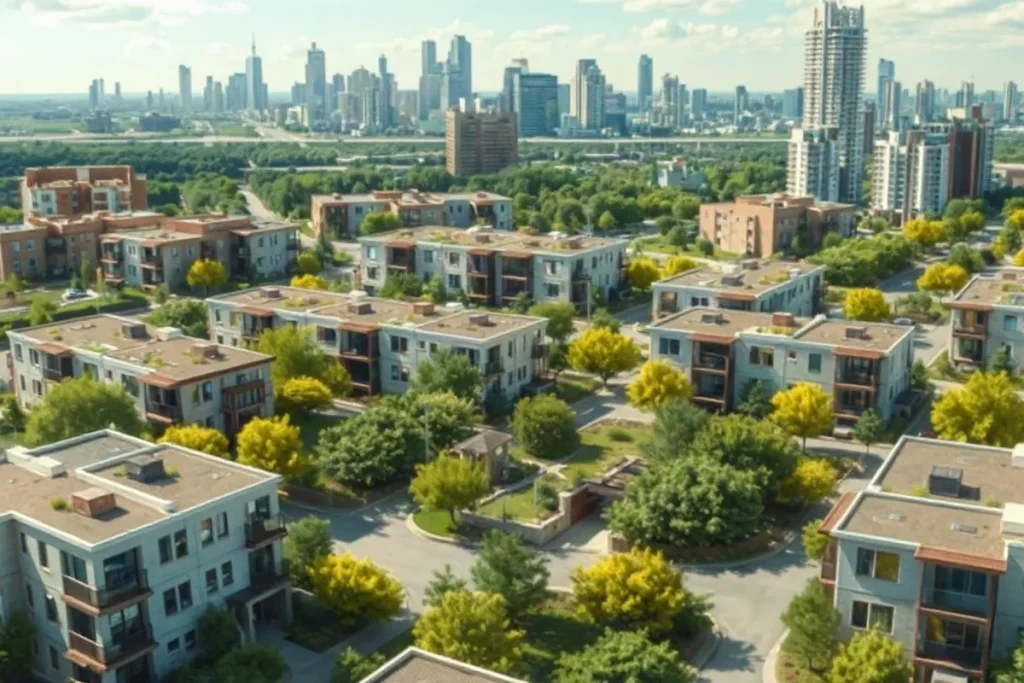
As urban areas continue to grow and evolve, the pressing issue of housing affordability remains at the forefront of real estate development discussions. In 2026, new trends are emerging that prioritize affordability without compromising on quality or sustainability. Developers, city planners, and policymakers are increasingly focused on innovative strategies to create livable spaces that cater to diverse populations, particularly in metropolitan regions where rising costs have outpaced income growth.
This shift towards affordability in urban real estate development is not merely a response to demand; it represents a broader commitment to fostering inclusive communities. By embracing modular construction techniques, mixed-use developments, and public-private partnerships, stakeholders are finding ways to transform urban landscapes into accessible, vibrant neighborhoods. As we delve into these trends, it becomes clear that the future of urban living hinges on balancing economic viability with the essential need for affordable housing solutions.
The Current Landscape of Urban Real Estate
The current landscape of urban real estate in 2026 is marked by a significant challenge: the pressing issue of housing affordability. Major cities across the globe are grappling with skyrocketing rental and property prices, which have outpaced wage growth for many residents. According to recent statistics, urban rental costs have surged by an average of 10% over the past year alone, while property prices have soared by approximately 15% in key metropolitan areas. This rapid escalation in costs has led to increased economic disparities, making it increasingly difficult for lower and middle-income families to secure affordable housing options.
The impact of these economic disparities is profound, as the gap between high-income and low-income households continues to widen. In cities where the cost of living is particularly high, such as New York, San Francisco, and London, the struggle for housing has become a central issue in public discourse. Many individuals and families are forced to allocate an unsustainable portion of their income toward rent, often exceeding the recommended 30% threshold. Consequently, this situation not only affects personal finances but also contributes to broader social issues, including homelessness and displacement of long-time residents. As a result, urgent action is required to address these affordability challenges and develop sustainable solutions.
In response to these pressing concerns, urban developers and policymakers are increasingly prioritizing innovative approaches to housing. Public-private partnerships have emerged as a viable strategy, allowing for collaborative efforts in creating affordable housing projects that leverage shared resources and funding. Additionally, concepts such as inclusionary zoning and adaptive reuse are gaining traction as ways to increase housing supply without compromising community integrity. These strategies aim to ensure that new developments include a mix of income levels, fostering diverse neighborhoods that can withstand economic fluctuations. As the landscape of urban real estate continues to evolve, the commitment to affordability will remain a critical factor in shaping the future of urban living.
Public-Private Partnerships: A Collaborative Approach
Public-private partnerships (PPPs) have emerged as a critical strategy in addressing the increasing demand for affordable housing in urban areas. This collaborative approach leverages the strengths and resources of both public entities and private developers to create housing solutions that may not be feasible through traditional methods alone. By pooling financial resources, expertise, and innovative practices, PPPs can significantly enhance the effectiveness and efficiency of housing projects, ultimately benefiting communities and fostering economic growth.
A notable example of a successful public-private partnership is the Arlington Mill Residences in Arlington, Virginia. This development illustrates how collaborative efforts can lead to impactful outcomes. Completed in 2015, Arlington Mill Residences provides 122 affordable housing units and incorporates a community center, catering to the needs of residents while fostering a sense of belonging. The project serves as a model of how public and private sectors can work together to revitalize neighborhoods and improve the quality of life for residents. The success of this initiative has had a ripple effect, encouraging further investments in the area and enhancing community engagement.
While the benefits of public-private partnerships are numerous, they are not without challenges. One of the key advantages of these collaborations is the ability to share resources and risk between sectors. This often results in reduced costs and increased access to funding, allowing for more ambitious projects. Additionally, private developers bring innovative design and construction techniques, while public entities contribute regulatory support and community insights. However, challenges such as differing priorities, bureaucratic hurdles, and the need for clear communication can sometimes hinder the success of these partnerships.
The future of affordable housing development is increasingly tied to the success of public-private partnerships. As urban populations grow and the demand for affordable housing intensifies, these collaborations will play a pivotal role in shaping sustainable and inclusive communities. By embracing this collaborative approach, cities can better navigate the complexities of urban development and create lasting solutions that prioritize affordability and accessibility for all residents.
Innovative Housing Solutions: Inclusionary Zoning and Adaptive Reuse
In recent years, urban planners and policymakers have increasingly turned to inclusionary zoning as a vital tool in the quest for affordable housing. This approach mandates that a percentage of new residential developments be allocated for low- and moderate-income residents. Inclusionary zoning not only helps to diversify neighborhoods but also fosters a sense of community by integrating individuals from various socioeconomic backgrounds. By leveraging this policy, cities can address their housing shortages while ensuring that economic diversity remains a cornerstone of urban life. As a result, many metropolitan areas are experiencing an uptick in mixed-income developments, which provide essential living spaces for families and individuals who might otherwise be priced out of the housing market.
Another innovative strategy gaining traction is adaptive reuse, which involves repurposing old buildings for new residential uses. This approach has proven particularly effective in revitalizing urban areas, where vacant or underutilized structures can be transformed into vibrant living spaces. For instance, warehouses, factories, and even historical landmarks are being converted into apartments or condominiums, making efficient use of existing infrastructure while preserving the character of neighborhoods. Projects like the repurposing of old schools into multifamily housing units exemplify how adaptive reuse can meet the growing demand for affordable homes while enhancing the aesthetic value of communities.
Together, inclusionary zoning and adaptive reuse represent a dynamic duo in the fight against urban housing shortages. These strategies not only provide practical solutions but also promote sustainable development practices. By focusing on the dual goals of affordability and community integration, cities can better address the diverse housing needs of their residents. This collaborative approach to urban planning is essential in creating inclusive environments that cater to a wide range of income levels, ensuring that everyone has access to quality housing in thriving neighborhoods. As cities continue to evolve, these innovative solutions will play a crucial role in shaping the future of urban living.
Mixed-Income Developments: Bridging Economic Gaps
Mixed-income housing has emerged as a vital strategy in urban real estate development, particularly as cities grapple with the pressing need for affordable living spaces. This approach integrates various income levels within the same residential community, promoting socio-economic diversity and creating vibrant neighborhoods. The significance of mixed-income developments cannot be overstated; they serve as a bridge that connects different economic groups, fostering community integration and reducing social isolation. By allowing lower-income families to live alongside middle and upper-income residents, these projects help dismantle the socio-economic barriers that often characterize urban living.
Several cities have successfully implemented mixed-income projects, showcasing the potential of this approach to transform communities. For instance, the Arlington Mill Residences in Arlington, Virginia, serves as a model of a successful public-private partnership. This development not only provides affordable housing options but also offers amenities that enhance the quality of life for all residents. Similar initiatives in cities like San Francisco and New York have demonstrated that when thoughtfully designed, mixed-income communities can thrive economically and socially. These projects often encourage local businesses and create job opportunities, contributing to the overall economic health of the area.
The impact of mixed-income developments extends beyond just housing; they play a crucial role in fostering community integration. By providing a diverse range of residents with shared spaces and resources, these projects cultivate a sense of belonging and mutual respect. Residents from various backgrounds can interact, collaborate, and support one another, enriching the social fabric of the community. Furthermore, mixed-income developments can help mitigate the effects of gentrification, allowing long-time residents to remain in their neighborhoods while benefiting from new investments and resources.
In summary, mixed-income housing represents a forward-thinking solution to urban challenges related to affordability and social equity. By bridging economic gaps and promoting diversity, these developments not only address the immediate need for affordable housing but also contribute to the long-term sustainability of urban environments. As cities continue to evolve, the focus on mixed-income projects will likely intensify, reflecting a broader commitment to inclusive growth and community well-being.
Technology’s Role in Urban Real Estate Development
Technological advancements are playing a pivotal role in reshaping urban real estate development, particularly as cities grapple with the pressing need for affordable housing. In 2026, innovative tools and methodologies are being employed to streamline processes, improve decision-making, and enhance collaboration among stakeholders. This evolution is not only transforming how real estate practices are conducted but is also fostering a more responsive framework for urban development. By leveraging cutting-edge technologies, developers and planners can create environments that better meet the needs of diverse populations.
One of the most significant contributions of technology to urban real estate is the use of data analytics. With the ability to analyze vast amounts of information, stakeholders can identify housing trends and community needs more accurately. This data-driven approach allows for a nuanced understanding of demographics, income levels, and housing preferences, enabling developers to tailor projects to match the specific requirements of the communities they serve. For instance, predictive analytics can forecast shifts in population or economic conditions, guiding investments in areas poised for growth, thus optimizing resources for affordable housing initiatives.
Moreover, the integration of smart city technologies is markedly influencing urban planning and development. These technologies encompass a wide range of applications, from IoT (Internet of Things) devices that monitor traffic and energy usage to advanced building management systems that enhance sustainability. By incorporating smart solutions, urban developments can improve efficiency while simultaneously addressing affordability concerns. For example, energy-efficient buildings not only reduce living costs for residents but also contribute to the overall sustainability of urban environments. This alignment with environmental goals is increasingly attractive to both investors and buyers, further driving the demand for innovative housing solutions.
In summary, as urban real estate development continues to evolve in 2026, the role of technology becomes ever more crucial. From data analytics that inform strategic decisions to smart city technologies that enhance living conditions, these advancements are reshaping the landscape of urban housing. The ongoing commitment to leveraging technology in the quest for affordability reflects a broader trend towards creating inclusive, sustainable urban communities that meet the needs of all residents.
Zoning Reforms: Changing the Rules of Development
Urban developers face numerous challenges due to traditional zoning regulations, which often prioritize single-use developments and restrict the types of housing that can be built in specific areas. These regulations have led to a scarcity of affordable housing options, exacerbating economic disparities in cities. Developers are frequently hindered by lengthy approval processes and bureaucratic hurdles, which can stifle innovation and slow down the delivery of much-needed housing. As urban centers grapple with growing populations and increasing housing demands, the need for reform in zoning laws has become evident.
In response to these challenges, several major cities are implementing innovative zoning reforms aimed at fostering more flexible and inclusive development. One prominent approach is inclusionary zoning, which mandates that a percentage of new housing units be set aside for low- to moderate-income residents. This not only helps create mixed-income communities but also encourages developers to engage in public-private partnerships, thereby leveraging resources to deliver affordable housing projects. Additionally, cities are exploring adaptive reuse strategies, whereby existing structures are repurposed for residential use. This method not only reduces construction costs but also preserves the architectural heritage of urban neighborhoods.
The long-term benefits of these flexible zoning regulations are significant. By embracing a more inclusive approach to urban development, cities can stimulate economic growth and promote social equity. Enhanced collaboration between public entities and private developers can lead to more efficient use of land and resources, ultimately making urban living more accessible. Furthermore, as cities adapt their zoning laws to accommodate diverse housing needs, they can expect to see a revitalization of neighborhoods that have traditionally been underserved. This shift towards innovative zoning practices not only addresses the immediate housing crisis but also sets the stage for sustainable urban growth in the future.
In summary, the evolving landscape of urban real estate development highlights the critical role of zoning reforms. As cities strive to balance the demand for affordable housing with the need for economic sustainability, adaptive zoning practices will be essential in reshaping urban environments for the better.
Sustainability in Affordable Housing Projects
Sustainability is becoming an essential component of urban development, particularly in the realm of affordable housing. As cities grapple with rising populations and the pressing need for economical living options, integrating sustainable practices not only addresses environmental concerns but also enhances the quality of life for residents. Sustainable affordable housing projects can significantly reduce energy consumption, lower utility costs for families, and contribute to healthier urban environments. By prioritizing eco-friendly designs, developers can create spaces that are not only affordable but also resilient and adaptable to climate challenges.
Several green building initiatives have emerged as exemplary models in the affordable housing sector. For instance, projects like the Arlington Mill Residences in Virginia showcase how public-private partnerships can yield successful outcomes. These developments often incorporate renewable energy sources, water-efficient fixtures, and sustainable materials that minimize the ecological footprint. Additionally, the use of green roofs and community gardens fosters biodiversity and promotes community engagement among residents. Such initiatives not only support affordability but also create vibrant, sustainable communities aimed at long-term livability.
Looking ahead, the future of affordable housing will likely see a surge in the use of eco-friendly materials and energy-efficient designs. Innovations in construction technology, such as modular building and 3D printing, promise to lower costs while enhancing sustainability. Furthermore, the growing emphasis on smart home technologies will allow for better energy management, potentially lowering costs for residents and improving overall comfort. As more developers embrace these trends, we can expect a shift towards a holistic approach in urban planning that harmonizes affordability with sustainability.
In summary, sustainability in affordable housing is no longer just a trend; it is a critical necessity for modern urban development. By focusing on eco-friendly initiatives and innovative construction practices, cities can create affordable housing solutions that are both economically viable and environmentally responsible, paving the way for a more sustainable urban future.
Looking Ahead: The Future of Urban Affordable Housing
As urban populations continue to swell, the demand for affordable housing is set to escalate significantly by 2030. One of the most anticipated trends in urban real estate development is the rise of public-private partnerships. These collaborations leverage the strengths of both sectors to create sustainable and affordable housing solutions. For instance, projects like Arlington Mill Residences in Virginia serve as models of how shared funding and resources can effectively address housing shortages while stimulating local economies. This cooperative strategy is likely to expand, as municipalities seek innovative ways to meet housing needs without excessively burdening taxpayers.
In addition to partnerships, adaptive reuse and mixed-income developments are expected to gain traction. Converting underutilized commercial spaces into residential units not only preserves the urban landscape but also offers a cost-effective solution to rising housing demands. Mixed-income projects, which integrate various income levels within a single community, are particularly promising. These developments foster social diversity and stability while providing affordable options for lower-income families. As cities reconsider zoning laws and embrace more flexible development models, the potential for these housing solutions will grow.
Economic fluctuations are also poised to impact housing affordability. With inflation and interest rates on the rise, potential homebuyers may find themselves priced out of the market. This economic reality underscores the importance of proactive measures from stakeholders in the real estate sector. Developers, policymakers, and community organizations must come together to advocate for policies that prioritize affordable housing. By promoting inclusionary zoning and offering incentives for affordable units, they can help safeguard the future of urban living.
As we look to the future, it is clear that the path to affordable urban housing will require collaboration and innovation. Stakeholders in the real estate sector are called upon to engage actively in this mission, embracing new technologies and approaches to ensure that urban environments remain accessible and inclusive. Only through concerted efforts can we hope to create a sustainable, affordable future for all city residents.
Frequently asked questions
What is inclusionary zoning?
How do public-private partnerships work in real estate?
What are mixed-income developments?
How is technology impacting urban real estate?
What is adaptive reuse in real estate?
Key takeaways
- Urban real estate is increasingly focusing on affordability in 2026.
- Public-private partnerships are essential for successful affordable housing projects.
- Innovative strategies like inclusionary zoning are gaining traction.
- Mixed-income developments foster community integration and diversity.
- Technology is revolutionizing how urban housing needs are identified and met.
Sources
DBF, urban.org, pwc.com, ULI Knowledge Finder, gensler.com

Topic guide: Analysis: The Complete Guide