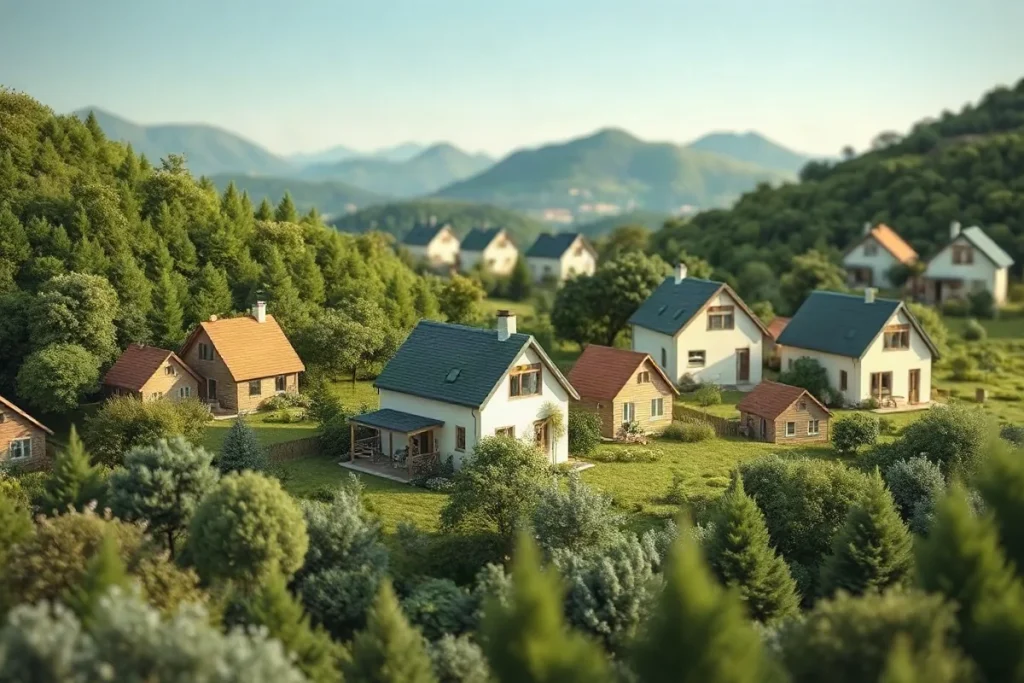
As the urgency of climate change continues to dominate global conversations, a recent survey has unveiled a significant shift in housing preferences among millennials, highlighting a surge in interest for eco-friendly housing. This demographic, known for its strong commitment to sustainability, is increasingly prioritizing environmentally responsible living spaces, prompting a reevaluation of what homeownership means in 2026.
With rising awareness of environmental issues and the long-term benefits of green building practices, millennials are not just looking for homes; they are seeking eco-conscious alternatives that align with their values. The findings suggest a transformative trend in the real estate market, where sustainable options are becoming a key factor in purchasing decisions. As this generation seeks to balance modern living with ecological responsibility, the demand for eco-friendly housing is set to shape the future of property development and investment strategies.
The Millennial Mindset: Sustainability as a Priority
Millennials are increasingly prioritizing sustainability in their housing choices, reflecting a broader shift in values that intertwine environmental consciousness with everyday living. This generation, which has grown up amidst rising climate concerns, is demonstrating a strong preference for eco-friendly housing solutions. Recent surveys indicate that a remarkable 78% of millennials consider environmental sustainability to be a key factor in their purchasing decisions, showcasing their commitment to living in harmony with the planet. This eco-conscious mindset is not merely a trend; it represents a fundamental aspect of their identity and lifestyle.
As climate change continues to shape global discourse, millennials are actively seeking homes that align with their values. The urgency surrounding climate issues has led many young buyers to prioritize properties that incorporate green technologies and sustainable practices. Features such as energy-efficient appliances, solar panels, and sustainable building materials are becoming essential criteria in their home searches. Approximately 70% of millennials express that environmental, social, and governance (ESG) factors are crucial in their purchasing decisions, further emphasizing their desire for homes that contribute positively to the environment.
Moreover, the millennial lifestyle is increasingly intertwined with eco-consciousness. Many individuals in this demographic are taking proactive steps to reduce their ecological footprint, which influences their housing preferences. From implementing water conservation measures to adopting energy-efficient habits, millennials are demonstrating a commitment to sustainability that extends beyond their living spaces. This alignment of values with lifestyle choices fosters a growing demand for eco-friendly homes, driving innovation in the real estate market.
In summary, the millennial mindset is firmly rooted in sustainability, shaping their housing preferences and lifestyle choices. As this generation continues to enter the housing market, their emphasis on eco-friendly options will likely propel the industry toward more environmentally responsible practices. The intersection of housing and sustainability is not just a fleeting trend; it is a reflection of a generation ready to invest in a healthier planet for future generations.
Survey Insights: What the Data Reveals
The recent surge in interest for eco-friendly housing among millennials is underscored by compelling data from various surveys. Notably, the COGNITION survey indicates that around 70 percent of millennials prioritize environmental, social, and governance (ESG) factors when making purchasing decisions, particularly concerning their homes. This generation is increasingly drawn to properties that offer sustainable solutions, such as energy efficiency, reduced carbon footprints, and resource conservation. Their commitment to environmental issues is not just theoretical; it translates into tangible actions, with 63 percent of respondents acknowledging they have adopted greener lifestyles.
When comparing millennials’ preferences to those of previous generations, a distinct shift becomes evident. While older generations were often more focused on the financial aspects of homeownership, millennials exhibit a strong inclination towards aligning their living situations with their values. This is reflected in their eagerness to invest in homes that are not only cost-effective but also contribute positively to the environment. Such preferences suggest a generational pivot where the health of the planet holds equal, if not greater, significance than traditional financial metrics.
Insights from the COGNITION survey further illustrate the millennials’ environmental consciousness. A substantial 78 percent of respondents consider environmental sustainability vital, and many have actively taken steps to modify their behaviors in favor of greener living. Actions range from conserving water to making energy-efficient upgrades in their homes. This commitment to sustainability also extends to their consumer choices, as millennials increasingly seek out products and services that prioritize ecological responsibility.
As this trend continues to evolve, it is clear that millennials are not just passive consumers but active participants in the push for a sustainable future. Their preferences are reshaping the housing market, prompting builders and developers to take note and prioritize eco-friendly features. The convergence of ethical living and housing choices signals a promising shift toward more sustainable communities, where environmental health and quality of life go hand in hand.
Living Green: Features of Eco-Friendly Homes
As the demand for eco-friendly housing continues to surge among millennials, a growing number of sustainable features are becoming essential considerations in home design. This generation is increasingly prioritizing energy-efficient solutions that not only reduce their environmental impact but also provide long-term cost savings. Among the most sought-after features are solar panels, which harness renewable energy and significantly lower utility bills. Additionally, energy-efficient appliances are in high demand, as they further contribute to reducing energy consumption and carbon footprints.
Resource efficiency and habitat restoration play pivotal roles in the design and construction of eco-friendly homes. Millennials are not just looking for houses; they are seeking spaces that align with their values of sustainability and environmental stewardship. This means that homes built with eco-conscious materials and practices are becoming increasingly appealing. For instance, reclaimed wood, bamboo, and recycled metal are popular choices for construction, as they reduce waste and minimize the need for new raw materials. Moreover, many millennials are drawn to homes designed with natural ventilation and insulation, which can enhance indoor air quality and reduce heating and cooling needs.
The impact of these choices extends beyond individual homes. By prioritizing sustainable construction practices and materials, millennials contribute to a broader movement that advocates for a healthier planet. This includes not only reducing carbon emissions but also restoring habitats and nurturing biodiversity. For example, landscaping with native plants can help conserve water and create a more resilient ecosystem.
As millennials continue to shape the housing market, their preference for eco-friendly homes signifies a shift towards a more sustainable future. They are actively seeking properties that reflect their commitment to environmental responsibility, making it clear that the appeal of eco-friendly features is here to stay. With an emphasis on resource efficiency, habitat restoration, and the use of sustainable materials, the next generation of homebuyers is poised to redefine the standards of modern living.
Economic Benefits of Eco-Friendly Housing
The growing interest among Millennials in eco-friendly housing is not merely a trend; it represents a significant shift towards sustainable living that could yield substantial economic benefits over time. One of the primary advantages of green homes is the potential for long-term cost savings. Energy-efficient appliances, superior insulation, and renewable energy sources such as solar panels can dramatically reduce utility bills. Homeowners who invest in these features often find that the initial outlay is recouped through lower monthly expenses, making eco-friendly homes a financially sound choice in the long run.
Moreover, the impact of sustainable living extends beyond individual savings to affect property values and market trends. As more buyers prioritize environmental sustainability, homes with green certifications or energy-efficient features are increasingly seen as desirable. This demand can lead to higher resale values, as buyers are willing to pay a premium for homes that align with their values and offer lower operational costs. Research has shown that properties designed with eco-friendly principles in mind are likely to appreciate at a faster rate than their conventional counterparts, positioning them as worthwhile investments in an evolving market.
In addition to these financial incentives, government support for green homeownership plays a critical role in fostering this trend. Various programs and incentives are being introduced to encourage homeowners to adopt sustainable practices. These can include tax credits for energy-efficient renovations, grants for installing renewable energy systems, and favorable mortgage terms for eco-friendly properties. Such initiatives not only alleviate the financial burden associated with making sustainable upgrades but also serve to raise awareness of the benefits of eco-friendly living.
In summary, the economic benefits of eco-friendly housing are manifold, encompassing significant long-term savings, enhanced property values, and supportive government policies. As Millennials continue to drive the demand for sustainable living, the housing market is likely to adapt, creating a more environmentally responsible and economically beneficial landscape for future homeowners.
Barriers to Adoption: Challenges in the Market
The rising interest in eco-friendly housing among millennials is promising, yet several barriers hinder the realization of this trend within the sustainable housing market. One of the most significant challenges is affordability. While many millennials express a desire to invest in green homes, the reality is that eco-friendly properties often come with a higher upfront cost due to advanced materials and technologies. This financial burden can deter potential buyers who are already grappling with student debt, rising living expenses, and stagnant wages. As a result, the perception that sustainable homes are a luxury rather than a feasible option for the average millennial creates a disconnect that limits accessibility.
Availability is another key obstacle facing this demographic. Although the market is slowly adapting to the demand for sustainable housing, many regions still lack adequate inventory of eco-friendly homes. This scarcity leads to limited choices for millennials, compelling them to compromise on their sustainability values in favor of more readily available properties. In addition, the construction of green homes often faces regulatory hurdles and zoning challenges, which can slow down the development process and further restrict supply.
Furthermore, misinformation and market perceptions play a crucial role in the adoption of eco-friendly housing. Some millennials may be hesitant to invest in green properties due to misconceptions about their long-term value and performance. For example, there is a prevalent belief that eco-friendly homes require excessive maintenance or that they are not as durable as conventional houses. Such misconceptions can lead to skepticism and reluctance among potential buyers, ultimately stifling growth in this sector.
To overcome these challenges, the industry must prioritize education and awareness regarding the benefits of eco-friendly housing. A concerted effort to clarify the advantages, such as lower utility costs and improved health outcomes, could help reshape public perception. Moreover, collaborations between government, developers, and financial institutions could pave the way for innovative financing options that make sustainable homes more accessible. By addressing these barriers, the market can better align with the growing demand for environmentally conscious living among millennials.
The Future of Eco-Friendly Housing: Trends to Watch
The future of eco-friendly housing is poised for transformation, driven by emerging technologies in sustainable construction and design. Innovations in materials and energy efficiency are becoming crucial in appealing to environmentally conscious buyers, particularly millennials. Advanced building methods, such as modular construction and 3D printing, are not only reducing carbon footprints but also lowering costs and construction times. These technologies facilitate the use of sustainable materials, such as recycled steel and bio-based insulations, which contribute to a more eco-friendly build. Additionally, smart home technologies that monitor energy consumption and optimize resource use are increasingly integrated into new developments, providing buyers with tools to manage their environmental impact effectively.
As millennials continue to enter the housing market, their preferences are expected to reshape the landscape of real estate. With a significant portion of this demographic prioritizing sustainability, housing developers are likely to respond by creating homes that are not only energy-efficient but also incorporate renewable energy sources like solar panels and geothermal heating. This shift in consumer preference indicates a growing demand for homes that offer both eco-friendly features and modern amenities, suggesting that the market will increasingly cater to those seeking a lifestyle aligned with environmental values. Consequently, builders who can adapt to these expectations may find themselves at a competitive advantage in a rapidly evolving market.
Moreover, the concept of a circular economy is gaining traction within the real estate sector, emphasizing sustainability and resource efficiency. This principle encourages the design of homes that minimize waste and promote the reuse of materials, fundamentally altering how properties are constructed and deconstructed. As millennials advocate for a more sustainable future, the adoption of circular economy practices could redefine the lifecycle of housing, from sourcing materials to managing end-of-life processes. This shift not only aligns with the values of younger buyers but also presents an opportunity for the real estate industry to lead in environmental stewardship.
In summary, the trends shaping the future of eco-friendly housing reflect a profound shift in millennial values and preferences. With a focus on innovative technologies, sustainable practices, and circular economic principles, the housing market is on the brink of a transformative era that prioritizes both environmental responsibility and modern living standards.
Case Studies: Successful Eco-Friendly Housing Projects
As the demand for eco-friendly housing climbs, several innovative projects around the globe are demonstrating how sustainability can be seamlessly integrated into residential living. One notable example is the **Mason Park** development in Portland, Oregon, which features homes built with reclaimed materials and equipped with solar panels. This community not only prioritizes energy efficiency but also includes green spaces that promote biodiversity, appealing strongly to millennials who value environmental stewardship. The project has successfully attracted a demographic eager to adopt a lifestyle that aligns with their values around sustainability.
In addition to standalone projects, there are numerous community initiatives aimed at fostering sustainable living. The **Green Homes Initiative** in Austin, Texas, is a prime example of how local governments and organizations are collaborating to promote eco-friendly housing solutions. This initiative offers incentives for builders who incorporate energy-efficient designs and sustainable materials in their constructions. By supporting such projects, municipalities are recognizing the growing interest among younger buyers who prioritize living in harmony with nature. These initiatives not only help reduce carbon footprints but also cultivate a sense of community among residents who share similar values.
Lessons learned from these successful eco-friendly housing projects highlight the importance of aligning with the priorities of millennial buyers. Developers are increasingly recognizing that flexibility in design, community engagement, and a focus on environmental impact resonate strongly with this demographic. Millennials are not just looking for a place to live; they are seeking a lifestyle that reflects their commitment to sustainability. As indicated by recent surveys, a significant portion of this group is willing to take actionable steps towards reducing their environmental impact, which includes choosing homes that support energy conservation and sustainable practices.
As communities continue to evolve, the integration of eco-friendly housing solutions is likely to become more prominent. The experiences from these projects provide valuable insights and serve as a blueprint for future developments aimed at meeting the demands of environmentally-conscious millennials. With ongoing support from local initiatives and a growing market for sustainable living, the future of housing looks promising for both the planet and its inhabitants.
Conclusion: A Shift Towards Sustainable Living
The findings from recent surveys underscore a significant shift in the housing preferences of Millennials, who are increasingly prioritizing eco-friendly options. With around 70 percent of this demographic valuing environmental, social, and governance (ESG) factors when making purchasing decisions, it is evident that their commitment to sustainability is shaping the real estate market. The desire for healthier living environments, combined with a growing awareness of climate change, has propelled the demand for homes that incorporate eco-conscious features. As this trend continues to gain momentum, it highlights the necessity for the real estate sector to adapt to these evolving consumer values.
Real estate stakeholders, including developers, investors, and policymakers, must recognize that aligning with the sustainability values of younger buyers is no longer optional but essential. By embracing eco-friendly practices, such as using sustainable materials, enhancing energy efficiency, and implementing water conservation measures, the industry can cater to the increasing demands of environmentally conscious consumers. This shift not only promotes responsible living but can also lead to long-term financial benefits, as properties with green certifications often command higher market values and attract a dedicated buyer base.
Moreover, the emphasis on sustainability is not merely a passing trend; it reflects a broader societal movement towards more responsible and conscious living. Stakeholders are encouraged to leverage this opportunity by innovating their approaches and investing in eco-friendly housing solutions. In doing so, they can contribute to a healthier planet while also meeting the needs of a generation that is poised to dominate the housing market.
In conclusion, the surge in interest for eco-friendly housing among Millennials serves as a clear signal for the real estate industry. By aligning with the values of today’s consumers and committing to sustainable practices, stakeholders can play a pivotal role in shaping a greener future. As we move forward, it is imperative that the industry not only acknowledges but actively embraces this shift towards sustainable living, ensuring that the housing market evolves in tandem with the principles that are increasingly important to consumers.
Frequently asked questions
Why are millennials so interested in eco-friendly housing?
What features do millennials look for in eco-friendly homes?
Are eco-friendly homes more expensive?
What challenges do millennials face when buying eco-friendly homes?
How can the housing market adapt to this trend?
Key takeaways
- Millennials are increasingly prioritizing eco-friendly housing options.
- Sustainable features in homes are seen as essential by many buyers.
- Economic advantages of green homes often outweigh initial costs.
- Barriers like affordability need to be addressed for wider adoption.
- The future of housing will likely see a continued emphasis on sustainability.
Sources
greenbuildermedia.com, themadronagroup.com, slowly – Chicago Agent Magazine Trends, esgtoday.com, pmc.ncbi.nlm.nih.gov

Topic guide: Analysis: The Complete Guide