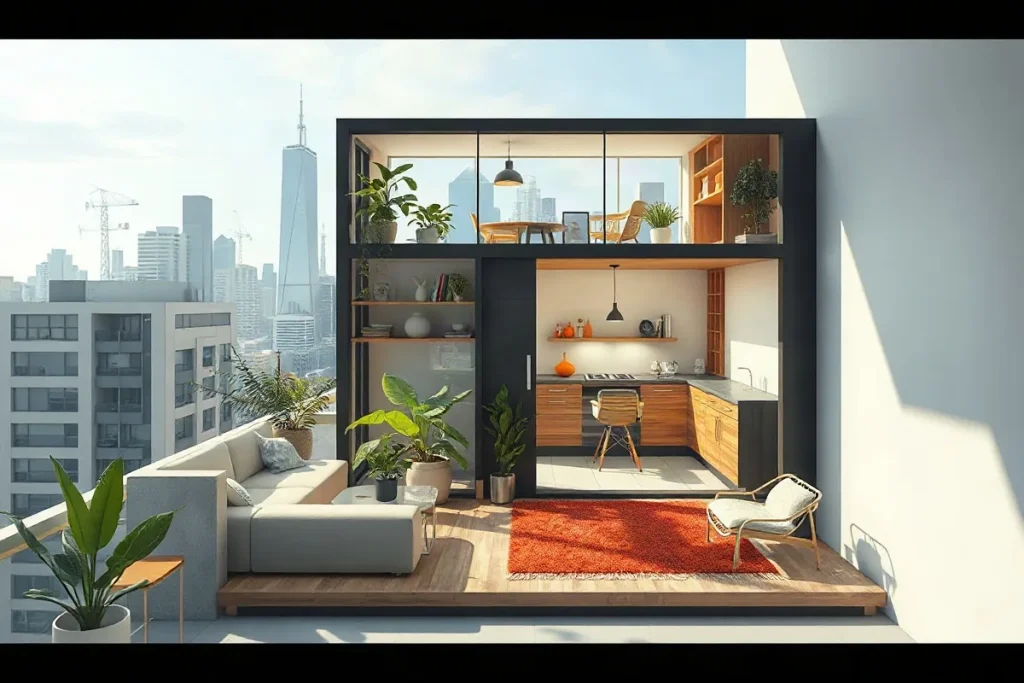
As urbanization continues to redefine the landscapes of major cities, a notable trend has emerged: a shift towards smaller living spaces. This movement is not merely a response to soaring real estate prices, but a reflection of changing lifestyles and priorities among city dwellers in 2026. With more individuals and families seeking flexibility and efficiency, smaller homes are becoming increasingly appealing, prompting a re-evaluation of what it means to live comfortably in an urban environment.
The appeal of compact living is multifaceted. It addresses the demands of a fast-paced life where convenience and accessibility are paramount. Moreover, as sustainability becomes a focal point for many, smaller living spaces often allow for a reduced carbon footprint and lower utility costs. This article explores how major urban centers are adapting to this trend, the benefits of smaller living, and what it means for the future of city life.
The Rise of Micro-Housing
Micro-housing refers to compact living spaces, typically ranging from 150 to 400 square feet, designed to optimize functionality and comfort while minimizing costs. These units often feature innovative layouts, multi-purpose furniture, and efficient use of natural light, appealing to those who prioritize sustainability and minimalism. As urban centers grapple with skyrocketing housing prices and a shortage of available land, micro-housing has emerged as a viable solution for individuals and families seeking affordable living options in densely populated areas.
The popularity of micro-housing is evident in the statistics: over the past few years, there has been a marked increase in building permits issued for multifamily units, with figures exceeding 600,000 annually in major U.S. cities. This trend reflects the growing demand for smaller living spaces, particularly among millennials and older adults who are increasingly opting to downsize. According to recent market analyses, North America dominates the global micro-housing landscape, driven by urbanization and the pressing affordability crisis in key metropolitan areas. The combination of high population density and robust economic activity in these cities further reinforces the need for compact living solutions.
Several factors are propelling the micro-housing movement. First and foremost is affordability; as housing costs continue to rise, many individuals find it challenging to secure suitable accommodations without stretching their budgets. This issue is especially pronounced in urban environments where traditional housing options are either financially out of reach or too large for the needs of smaller households. Additionally, the increasing desire for environmentally sustainable living has led many to embrace the concept of minimizing their living space and, consequently, their carbon footprint. Urban planners and developers are also recognizing the potential of micro-housing to address housing shortages, creating an attractive alternative that maximizes land use and caters to the evolving preferences of urban dwellers.
In summary, the rise of micro-housing is a response to the complex challenges posed by modern urban living. By providing affordable, efficient, and sustainable living options, micro-housing units are reshaping the housing landscape in major urban centers, making them an essential component of contemporary urban development strategies.
Demographic Shifts: Who Is Choosing Smaller Spaces?
As urban centers grapple with soaring housing costs and limited space, a notable demographic shift is emerging, particularly among millennials and Gen Z. These younger generations are increasingly gravitating towards smaller living spaces, viewing micro-housing as a viable solution to their housing dilemmas. For many, the appeal lies not only in affordability but also in the flexibility and community-oriented lifestyle that such spaces often offer. The trend is evident as more individuals opt for shared living arrangements, which allow for lower rent and foster social connections, an essential aspect for many in these age groups.
In contrast, older adults are also embracing the movement towards downsizing, albeit for different reasons. Traditionally, retirement meant seeking larger homes in suburban areas; however, a growing number of seniors are choosing to relocate to urban settings in smaller, more manageable spaces. This shift is often motivated by the desire for convenience and accessibility to amenities such as healthcare, entertainment, and social activities. Many older adults are finding that micro-housing not only meets their physical needs but also promotes a more active and engaging lifestyle.
Several case studies illustrate the diverse tapestry of residents opting for micro-housing. In cities like New York and San Francisco, young professionals are taking advantage of innovative living solutions that maximize limited square footage while maintaining a vibrant urban lifestyle. Similarly, older residents in places like Salt Lake City are discovering the benefits of compact living arrangements that allow them to remain integrated within the community while downsizing from larger homes. These case studies highlight that micro-housing is not a one-size-fits-all solution but rather caters to a wide array of lifestyles and preferences.
Ultimately, the trend towards smaller living spaces in urban centers reflects broader changes in societal values and economic realities. As affordability remains a pressing concern, micro-housing appears poised to play a significant role in shaping the future of urban living for both younger and older demographics alike. The continued evolution of this housing model may well redefine our understanding of home in the years to come.
Economic Pressures and Housing Affordability
The current housing affordability crisis in major urban centers has become a pressing issue, forcing many residents to reassess their living situations. As housing prices soar and wages stagnate, the aspiration for larger homes in suburban areas is rapidly diminishing. Instead, a significant shift toward smaller living spaces is taking place, particularly in densely populated metropolitan areas. This shift reflects a broader economic reality, where the demand for affordable housing greatly outstrips supply, leading to a burgeoning market for micro-housing and compact living options.
The impact of rising costs on housing supply and demand is palpable. Despite the steady issuance of building permits for multifamily units, demand remains far greater than what the market can provide. This imbalance has led to increased competition for available properties, driving prices even higher. In many urban centers, residents are unable to find suitable housing within their budgets, prompting a move towards smaller units and shared living arrangements. The trend is particularly pronounced among millennials and older adults, who are increasingly opting for micro-housing solutions that prioritize efficiency and affordability over square footage.
Economic factors play a crucial role in this transition towards smaller living spaces. With the cost of living escalating, individuals and families are compelled to make trade-offs in their housing choices. Many younger adults, faced with student debt and high living expenses, are gravitating toward co-living arrangements that allow them to share costs and resources. Conversely, older adults are downsizing to smaller homes that align with their evolving lifestyle needs, often seeking urban environments that offer greater accessibility and sustainability. As the concept of home continues to evolve, urban centers are becoming increasingly conducive to compact living, highlighting a significant cultural shift in housing preferences.
In summary, the housing affordability crisis in major cities is reshaping the way people think about their living arrangements. The combination of high costs, limited supply, and changing demographic preferences is steering residents toward smaller, more efficient living spaces. As urban centers adapt to this demand, the micro-housing market is likely to continue its expansion, offering innovative solutions to an increasingly complex housing landscape.
The Urban Planning Response
The urban planning landscape is undergoing a significant transformation as major cities respond to the growing demand for smaller living spaces. This shift is largely driven by soaring housing costs and rising population densities, compelling urban planners to rethink their strategies. Initiatives promoting compact living are becoming increasingly common, with city officials recognizing the need to facilitate more affordable housing options. By prioritizing micro-housing and multifamily units, urban centers are attempting to accommodate the needs of a diverse population, particularly millennials and older adults seeking cost-effective living arrangements.
Recent statistics highlight this trend, with building permits for multifamily units surpassing 600,000 annually in the United States alone. Despite this robust output, demand continues to significantly outstrip supply in many urban areas, suggesting that city planners must adopt innovative approaches to meet the housing crisis. Micro-housing, characterized by its smaller footprint and efficient use of space, is gaining traction as a viable solution. This type of housing is particularly appealing to those seeking to downsize or live more sustainably, as it often comes with lower utility costs and encourages a minimalist lifestyle.
Cities across North America are adapting their zoning laws to facilitate the construction of smaller living spaces. These changes aim to eliminate barriers that have traditionally hindered the development of micro-housing and similar projects. For instance, some urban centers have relaxed regulations regarding minimum square footage requirements, allowing developers to create more compact units that cater to the needs of a growing urban population. Additionally, cities are exploring options for mixed-use developments that incorporate both residential and commercial spaces, fostering a vibrant community atmosphere while maximizing land use.
As urban centers continue to evolve, the focus on compact living is likely to intensify. The push for smaller, more affordable housing options reflects a broader societal shift towards prioritizing sustainability and community living. By embracing these new urban planning initiatives, cities can not only alleviate housing shortages but also enhance the quality of life for their residents. The future of urban living may very well hinge on how effectively planners can integrate smaller living spaces into the fabric of their communities.
Benefits of Smaller Living Spaces
The trend towards smaller living spaces in urban centers is not only about addressing housing shortages but also encompasses a range of environmental, lifestyle, and financial benefits. As the demand for micro-housing continues to rise, particularly among millennials and older adults, these compact living arrangements are being recognized for their positive impact on sustainability. Smaller homes inherently require fewer resources to build and maintain, resulting in lower energy consumption and reduced carbon footprints. By minimizing space, residents often embrace more efficient lifestyles, choosing to prioritize quality over quantity and leading to a decrease in overall waste production.
In addition to their environmental advantages, smaller living spaces foster a sense of community engagement that larger homes often lack. Living in close proximity to neighbors encourages interaction and collaboration, creating vibrant, supportive environments. This community-oriented approach not only enhances social ties but also provides individuals with a network of support, which is especially appealing to those who may feel isolated in traditional, larger housing setups. Furthermore, reduced maintenance responsibilities associated with smaller homes allow residents to focus more on community involvement and personal interests, thus enriching their lifestyles.
Financially, compact living offers significant advantages for those looking to navigate the current housing market. As urban centers grapple with escalating property prices, smaller living spaces present a viable solution for affordability. With lower costs associated with both purchasing and maintaining these homes, residents can allocate their financial resources more effectively, potentially saving for future investments or enhancing their quality of life. Additionally, the growing popularity of micro-housing creates investment opportunities in this burgeoning market, making it an attractive option for investors seeking to capitalize on new trends in urban living.
In summary, the shift towards smaller living spaces in urban centers is driven by a confluence of factors that highlight their environmental sustainability, lifestyle enhancements, and financial feasibility. As this trend continues to evolve, it promises to reshape the urban landscape in ways that foster both community and individual well-being, while also addressing pressing housing challenges.
Challenges in the Micro-Housing Market
The micro-housing market faces several significant challenges that impact its growth and acceptance in urban environments. One of the most pressing issues is the regulatory hurdles surrounding the construction of these smaller living spaces. Many municipalities have zoning laws and building codes that are not conducive to micro-housing developments. These regulations may impose minimum square footage requirements or limit the density of housing units allowed in certain areas, effectively stifling innovation and the ability of developers to respond to the growing demand for affordable housing. As a result, potential micro-housing projects often face lengthy approval processes, which can deter investment and slow down the overall development of these types of units.
Public perception and stigma also play a critical role in the challenges facing micro-housing. Despite the growing trend toward smaller living spaces, some individuals and communities view micro-housing negatively, associating it with low-income housing or transient living situations. This perception can lead to pushback from neighborhoods, making it difficult for developers to secure the necessary community support for their projects. Additionally, the idea of downsizing to a micro-unit can be daunting for potential residents who may fear a loss of personal space and privacy. Overcoming these societal biases is essential for fostering acceptance of micro-housing as a viable living option, especially among diverse demographic groups.
Concerns about quality of life in micro-housing environments further complicate the market landscape. Critics argue that smaller units may not provide adequate living conditions, particularly in terms of storage, natural light, and communal space. These factors can significantly impact residents’ well-being and overall satisfaction with their living situation. For instance, while micro-housing offers affordability and convenience, it may lack the amenities and comforts found in traditional housing, leading to dissatisfaction among tenants. Addressing these quality-of-life concerns is vital for both developers and policymakers to ensure that micro-housing can genuinely meet the needs of urban dwellers.
In summary, while the micro-housing market presents an innovative solution to urban housing challenges, it must navigate regulatory barriers, public perception issues, and quality-of-life concerns to achieve widespread acceptance and success in 2026 and beyond.
Future Outlook: Trends in Compact Living
As urban centers continue to grapple with rising housing costs and limited space, the micro-housing market is poised for significant growth in 2026 and beyond. The increasing preference for compact living spaces is not just a trend; it is becoming a fundamental shift in urban living. With millennials and older adults at the forefront of this movement, the demand for micro-housing is expected to outpace supply in many metropolitan areas. According to recent analyses, North America is leading this market due to its acute housing affordability crisis, particularly in densely populated cities where economic activity is robust yet space is constrained.
Innovations in technology are enhancing the appeal and functionality of compact living solutions. Smart home technologies, modular designs, and sustainable materials are making it easier to maximize space without sacrificing comfort. These advancements not only improve the living experience but also contribute to energy efficiency, making micro-housing an attractive option for environmentally conscious consumers. The integration of technology in compact living spaces is expected to evolve further, with features such as automated appliances and space-saving furniture becoming standard in new developments.
Moreover, urban policies are likely to shift in response to the growing demand for smaller living spaces. City planners and policymakers are recognizing the necessity of adapting zoning laws and building regulations to accommodate micro-housing. This may include easing restrictions on the construction of smaller units and incentivizing developers to create affordable housing options. Such policy changes could lead to a more supportive environment for compact living, fostering sustainable urban growth and addressing the housing crisis in major cities.
In summary, the future of compact living is bright, driven by a combination of market demand, technological innovation, and supportive urban policies. As societies continue to evolve, the micro-housing sector is set to play a crucial role in shaping urban landscapes, promoting affordability, and enhancing the quality of life for residents in metropolitan areas.
Global Perspectives on Compact Living
As urban centers worldwide grapple with escalating housing costs and limited land availability, the trend towards compact living is gaining momentum. In North America, particularly in cities like San Francisco, New York, and Toronto, micro-housing has emerged as a viable solution for many residents. This shift is largely driven by high population densities and a pronounced affordability crisis, pushing millennials and older adults alike towards smaller living spaces. Recent data indicates that despite the construction of over 600,000 multifamily units annually, demand continues to outstrip supply, revealing a significant gap in affordable housing options.
In contrast, other regions are approaching compact living from different cultural perspectives. In countries like Japan and the Netherlands, smaller homes are often seen as a reflection of minimalist lifestyles. The Japanese concept of “mottainai” promotes the idea of making the most of limited space, fostering an appreciation for efficient design and multifunctional furniture. Meanwhile, in many European countries, compact living is embraced as a sustainable alternative that encourages community engagement and reduces environmental footprints. Urban planners in cities like Amsterdam have successfully integrated compact living initiatives, creating vibrant neighborhoods where residents enjoy shared amenities and communal spaces.
Globally, successful examples of compact living initiatives highlight the benefits of this trend. For instance, in Singapore, innovative public housing policies have led to the development of high-rise buildings that maximize land use while providing essential services and green spaces. Similarly, in Barcelona, the “Superblock” initiative reconfigures urban layouts to prioritize pedestrians and cyclists, encouraging a shift towards smaller, well-designed living quarters that foster community interaction. These examples illustrate that compact living can cater to diverse needs and preferences, merging affordability with quality of life.
As urban centers continue to evolve, the acceptance of smaller living spaces reflects changing cultural attitudes towards homeownership and lifestyle choices. While North America leads the way in micro-housing, the global perspective emphasizes that compact living can be a sustainable, community-oriented solution that addresses the challenges of modern urban life.
Frequently asked questions
What is micro-housing?
Why are millennials and older adults downsizing?
How do urban centers respond to the demand for smaller living spaces?
What challenges does the micro-housing market face?
What are the environmental benefits of smaller living spaces?
Key takeaways
- Urban centers are increasingly embracing micro-housing to tackle housing affordability.
- Demographic shifts reveal a growing preference for smaller living among millennials and older adults.
- Urban planning is evolving to support compact living solutions amid rising demand.
- Micro-housing offers both financial and environmental advantages for city dwellers.
- The future of housing in urban areas may increasingly prioritize space optimization and sustainability.
Sources
techsciresearch.com, constructionexec.com, mdpi.com, The Pew Charitable Trusts, Coliving.com

Topic guide: Analysis: The Complete Guide