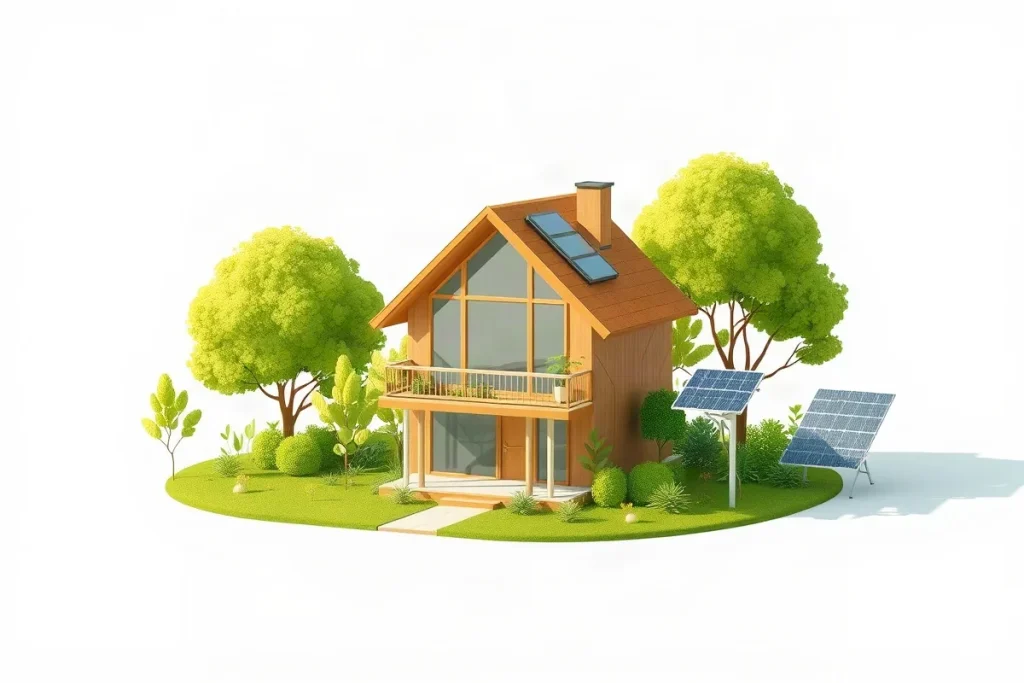
As urban landscapes continue to evolve, a significant shift is taking place in the preferences of millennials, particularly regarding housing choices. New findings reveal a growing preference for eco-friendly housing among urban millennials, reflecting their increasing awareness of environmental issues and sustainability. This demographic is not only seeking comfortable living spaces but is also prioritizing homes that align with their values and contribute to a healthier planet.
The implications of this trend are profound, influencing not just individual purchasing decisions but also broader market dynamics. Developers and investors are starting to take note, recognizing that eco-friendly housing is not just a passing fad but a fundamental aspect of modern living that resonates with this generation’s desire for sustainability. As we explore these findings, it becomes clear that the future of urban housing is not just about aesthetics and location, but also about fostering a responsible relationship with our environment.
Understanding the Shift: A Generational Perspective
The demographic landscape of urban millennials reveals a distinct shift in housing preferences, underscored by a growing inclination towards eco-friendly living. As this generation matures, their choices are increasingly shaped by a strong commitment to sustainability. In 2026, the preference for homes constructed with sustainable materials and equipped with smart technologies is not merely a trend; it reflects a profound transformation in the values that define millennial living. Urban millennials are prioritizing energy efficiency and environmentally friendly features in their housing decisions, illustrating their desire for homes that align with their ecological values.
Environmental concerns play a pivotal role in shaping the housing choices of this generation. Many urban millennials are deeply aware of the pressing issues related to climate change, leading them to seek homes that not only minimize their carbon footprint but also promote sustainability. This awareness extends beyond personal preferences; it influences their community choices as well. Millennials are increasingly drawn to neighborhoods that foster green living, often favoring areas with parks, walking trails, and accessible public transportation. This desire for walkable communities reflects a broader lifestyle choice that values health, well-being, and environmental stewardship.
Moreover, the values of urban millennials extend to their approach to homeownership itself. This generation is redefining what it means to own a home, often prioritizing experiences over material possessions. They are more inclined to invest in properties that offer long-term benefits, such as energy savings and reduced environmental impact, rather than simply seeking a place to live. The concept of homeownership is evolving, with millennials viewing their living spaces as integral components of a sustainable lifestyle. This perspective is particularly relevant as projections suggest that by 2030, millennials and Gen Z will account for a significant portion of new home buyers, further solidifying the demand for eco-friendly housing.
In summary, the generational perspective of urban millennials is marked by a conscious shift towards eco-friendly housing. Their preferences are driven by a blend of environmental consciousness and a desire for sustainable, community-focused living. As they navigate the housing market, their choices are reshaping the future of homeownership, emphasizing the importance of sustainability in urban living.
The Importance of Sustainability in Housing
Eco-friendly housing is characterized by its environmentally sustainable features and practices, aimed at reducing the ecological footprint of residential living. Key elements of eco-friendly homes include energy-efficient appliances, sustainable building materials, proper insulation, and renewable energy sources like solar panels. These features not only minimize energy consumption but also promote a healthier living environment. Urban millennials, who are increasingly prioritizing sustainability in their housing choices, are particularly drawn to properties that embody these eco-friendly principles.
Sustainable materials play a crucial role in the construction and renovation of homes. Choosing materials that are sourced sustainably can significantly reduce the environmental impact of building projects. For instance, bamboo, reclaimed wood, and recycled steel are gaining popularity due to their lower carbon footprints compared to traditional materials. Additionally, the use of low-VOC (volatile organic compounds) paints and finishes helps to improve indoor air quality, aligning with the health-conscious mindset of many millennials. As these eco-aware buyers seek out residences that reflect their values, the demand for sustainable materials continues to grow.
Energy efficiency is another vital aspect that influences the long-term costs associated with housing. Homes designed with energy-efficient features such as high-performance windows, advanced HVAC systems, and smart home technology not only reduce utility bills but also contribute to lower greenhouse gas emissions. Over time, these energy-efficient homes can lead to significant savings, making them a financially attractive option for buyers. Urban millennials, who are often juggling student loans and rising living costs, recognize the value of investing in homes that promise lower operating expenses and long-term sustainability.
In summary, the shift towards eco-friendly housing is not just a trend; it represents a fundamental change in how urban millennials approach homeownership. By prioritizing sustainability in their housing choices, they are not only making a statement about their values but also investing in a future that emphasizes environmental stewardship and economic efficiency.
Smart Technology: The Perfect Partner for Sustainable Living
The integration of smart technology in eco-friendly homes has become a defining characteristic of modern living, particularly among urban millennials. As this generation increasingly prioritizes sustainability, the demand for homes that seamlessly combine eco-friendly materials with advanced technology is on the rise. These homes not only minimize environmental impact but also offer enhanced convenience and efficiency, making them particularly appealing to tech-savvy buyers.
At the forefront of this movement are Internet of Things (IoT)-enabled systems, which significantly enhance energy management within households. These systems allow homeowners to monitor and control their energy consumption in real time, leading to more informed decisions about resource use. For instance, smart thermostats learn the occupants’ habits and adjust heating and cooling settings accordingly, which can lead to substantial energy savings. Additionally, smart lighting systems can be programmed to turn off when rooms are unoccupied or adjust brightness based on natural light, further optimizing energy use.
Popular smart home features that resonate with millennials include:
- Smart Thermostats: Devices like the Nest Learning Thermostat provide energy-efficient climate control by adapting to user preferences.
- Smart Lighting: Philips Hue and similar systems enable users to automate lighting schedules and control brightness via smartphone apps.
- Home Automation Hubs: Platforms such as Google Home or Amazon Echo allow for centralized control of various smart devices, enhancing user convenience.
- Energy Monitoring Devices: Smart plugs and energy monitors track electricity consumption of specific appliances, helping users identify opportunities for savings.
This convergence of smart technology and eco-friendly housing is reflective of millennials’ broader lifestyle choices. They are not only looking for homes that align with their environmental values but also for those that provide modern conveniences. The ability to manage energy consumption effectively, alongside the use of sustainable materials, positions these smart homes as the ideal living spaces for a generation committed to making a positive impact on the planet. As the market evolves, we can expect the integration of smart technology in eco-friendly homes to become even more sophisticated, catering to the needs of eco-conscious millennials looking for a sustainable and technologically advanced future.
Community Engagement and Urban Living
Urban millennials are increasingly drawn to eco-friendly housing options that reflect their values and lifestyle preferences. A significant factor in their housing decisions is the desirability of walkable neighborhoods that boast ample green spaces. These areas not only promote a healthier lifestyle through opportunities for outdoor activities but also foster a sense of community and connection among residents. Parks, walking trails, and tree-lined streets contribute to an inviting atmosphere that millennials find appealing. As they prioritize sustainability, these individuals seek homes that integrate seamlessly into environments that encourage walking, cycling, and other eco-friendly modes of transportation.
Public transportation and accessibility are crucial elements in this landscape. Millennials tend to favor locations with robust transit options that link them to essential services, workplaces, and social hubs. This preference is not merely a matter of convenience; it aligns with their commitment to reducing their carbon footprint. By living in areas with efficient public transport systems, they can minimize reliance on personal vehicles, which in turn decreases traffic congestion and lowers overall emissions. This practical approach to urban living underscores a broader shift towards sustainable urban planning that accommodates the needs of a growing population while respecting environmental boundaries.
In addition to environmental considerations, community aspects play a vital role in millennials’ housing choices. They are inclined to seek out neighborhoods that foster a sense of belonging and encourage social interaction. Features such as community gardens, local markets, and shared spaces for events and gatherings are increasingly important. Millennial homebuyers value the opportunity to engage with their neighbors and participate in local initiatives, reflecting a desire for a connected lifestyle rather than isolation. This focus on community not only enhances their quality of life but also contributes to a vibrant, cohesive urban environment. As more millennials enter the housing market with their distinct preferences, developers and city planners are recognizing the necessity of creating spaces that support both sustainability and community engagement.
Market Trends: The Future of Eco-Friendly Housing
The demand for eco-friendly housing has surged dramatically among urban millennials, with a growing preference for sustainable materials and smart technology. Recent statistics reveal that a significant portion of new home buyers, particularly millennials and Gen Z, are prioritizing environmental concerns in their purchasing decisions. By 2030, it is projected that these two generations will comprise 60% of all new home buyers in India, underscoring their influence on the housing market. This generational shift is not merely a trend; it reflects a deeper commitment to sustainability that informs their lifestyle choices, including housing.
In response to this burgeoning demand, developers are increasingly incorporating eco-friendly features into their projects. Many are opting for sustainable building materials, energy-efficient designs, and smart technologies that enhance the living experience while reducing environmental impact. For instance, homes equipped with solar panels, advanced insulation, and IoT-enabled systems for lighting and climate control are becoming commonplace. Developers recognize that these features not only attract eco-conscious buyers but also promise long-term savings on energy costs, making them an appealing investment.
Looking ahead to 2030, several key trends are likely to shape the eco-friendly housing landscape. As millennials and Gen Z continue to lead the charge, we can anticipate a significant rise in the popularity of mixed-use developments that promote community living and access to green spaces. These areas are expected to include parks, walking trails, and efficient public transportation options, aligning with the younger generations’ preference for walkable neighborhoods. Additionally, the integration of technology in sustainability efforts will continue to evolve, with innovations in energy management systems and responsive home automation paving the way for smarter living environments.
As the market adapts to these changes, the emphasis on sustainability is expected to become a defining characteristic of new housing developments. The intersection of eco-friendliness and modern technology will not only cater to the preferences of younger buyers but also set the foundation for a more sustainable future in urban living. With millennials and Gen Z at the forefront of this movement, the housing market is poised for a transformation that prioritizes environmental health alongside modern conveniences.
Challenges and Barriers to Eco-Friendly Housing Adoption
Urban millennials’ growing preference for eco-friendly housing is evident, yet several challenges hinder their ability to access these sustainable options. One significant obstacle is financial. Eco-friendly homes often come with a higher upfront cost due to the integration of green technologies and sustainable materials. While these features can lead to long-term savings on energy bills, the initial investment can be daunting for many young buyers, especially in an environment where housing prices are already escalating. Additionally, millennials frequently face job market instability and wage stagnation, making it difficult to secure the necessary funds for purchasing or even renting eco-friendly properties.
Regulatory barriers also play a critical role in limiting the adoption of sustainable housing. Local building codes and zoning laws may not always accommodate innovative green technologies or designs, creating hurdles for developers looking to create eco-friendly communities. Moreover, there is often a lack of incentives for developers to pursue sustainable projects, as the return on investment may not be immediately evident in a market that prioritizes quick profitability. This regulatory landscape contributes to a shortage of available eco-friendly housing options, further frustrating millennial buyers who are eager to invest in sustainable living.
Market dynamics present additional challenges. The demand for eco-friendly homes often outstrips supply, leading to a competitive environment where prices can rise steeply. Many millennials find themselves priced out of desirable neighborhoods that prioritize sustainability and green living. Additionally, the “missing middle” phenomenon in the housing market indicates a scarcity of medium-density, affordable options that appeal to this demographic. As millennials increasingly prioritize neighborhoods with parks, public transportation, and walkable amenities, the limited availability of such housing intensifies the struggle to find suitable eco-friendly homes.
In summary, while urban millennials demonstrate a clear preference for eco-friendly housing, significant financial, regulatory, and market challenges impede their ability to access these desirable homes. Addressing these barriers will be crucial in fostering a more sustainable housing landscape that aligns with the values and aspirations of this generation.
Case Studies: Successful Eco-Friendly Housing Projects
In recent years, urban areas have witnessed a surge in eco-friendly housing projects that appeal to the environmentally conscious preferences of millennials. These developments not only feature innovative designs but also incorporate sustainable materials and smart technology, creating attractive living spaces that resonate with the values of a new generation. Notable examples include projects like the Green City Initiative in San Francisco and the Eco-Community Project in Toronto, which exemplify how modern architecture can harmonize with the environment while providing residents with a desirable lifestyle.
The Green City Initiative focuses on sustainability through its use of recycled materials, green roofs, and energy-efficient systems. The design emphasizes open spaces, community gardens, and access to public transportation, catering to millennials’ preference for walkable neighborhoods. Similarly, the Eco-Community Project in Toronto features modular homes built with sustainable materials, equipped with smart technology for energy management. Such projects have become hotspots for young professionals seeking to minimize their carbon footprint while enjoying the benefits of modern living.
These eco-friendly housing projects have not only attracted urban millennials but have also significantly impacted local housing markets. The integration of sustainable features has led to increased property values and heightened demand for green living spaces. As more millennials prioritize environmental sustainability in their home-buying decisions, real estate developers are responding by investing in eco-friendly projects, fueling a shift toward greener urban development. This trend is particularly evident in cities where millennials and Gen Z are expected to comprise a substantial portion of new homebuyers by 2030.
The following community features are particularly appealing to millennials:
- Access to parks and walking trails
- Community spaces promoting social interaction
- Transportation options that reduce reliance on personal vehicles
- Provisions for recycling and waste management
- Energy-efficient appliances and systems
As urban millennials continue to prioritize eco-friendly living, the success of these housing projects will likely pave the way for future developments that align with their values, further transforming the landscape of urban housing.
The Role of Government and Policy in Sustainable Housing
Government initiatives and policy frameworks play a crucial role in promoting sustainable housing solutions, particularly as urban millennials express a strong preference for eco-friendly living environments. As this demographic increasingly prioritizes energy efficiency and environmental responsibility, various governments around the world are implementing strategies to align housing development with these values. Such initiatives not only foster the construction of green homes but also enhance the overall livability of urban areas.
Incentives for green construction are vital in encouraging developers and homeowners to adopt sustainable practices. Many governments offer tax breaks, grants, or low-interest loans for projects that meet specific environmental standards. These financial incentives can significantly reduce the initial costs associated with building eco-friendly homes, making them more accessible to a broader range of buyers. Furthermore, regulatory measures such as stricter building codes and zoning laws can ensure that new developments incorporate sustainable materials and energy-efficient technologies, thereby creating a more resilient housing market.
Successful policy examples from various regions illustrate the effectiveness of government intervention in promoting sustainable housing. For instance, in Sweden, the government has established a comprehensive framework that includes financial incentives for energy-efficient construction and a commitment to reducing carbon emissions by 2045. Similarly, California has introduced ambitious policies aimed at achieving a carbon-neutral building sector by 2030, which include mandates for solar panels on new homes and incentives for retrofitting existing structures. These policies not only cater to the preferences of millennials and Gen Z, who are expected to comprise a significant portion of home buyers in the coming years, but also contribute to broader climate goals.
Moreover, the focus on creating walkable communities with access to public transportation and green spaces enhances the appeal of eco-friendly housing. As millennials gravitate toward neighborhoods that promote green living, policymakers are increasingly recognizing the importance of integrating sustainable design principles into urban planning. This holistic approach not only addresses the housing needs of younger generations but also lays the groundwork for more sustainable cities in the future. By aligning government policies with the values of eco-conscious consumers, nations can lead the way in creating a sustainable housing landscape that meets the demands of 2026 and beyond.
Frequently asked questions
What defines eco-friendly housing?
Why are millennials drawn to eco-friendly homes?
How is the housing market evolving to meet millennial preferences?
Key takeaways
- Urban millennials prioritize eco-friendly and sustainable housing.
- Smart technology complements energy efficiency in modern homes.
- Community features and walkability are crucial for millennial homebuyers.
- Government policies can significantly impact the availability of green housing.
Sources
Sustainability, har.com, esgtoday.com, urbanland.uli.org, Ajitesh Korupolu

Topic guide: Analysis: The Complete Guide