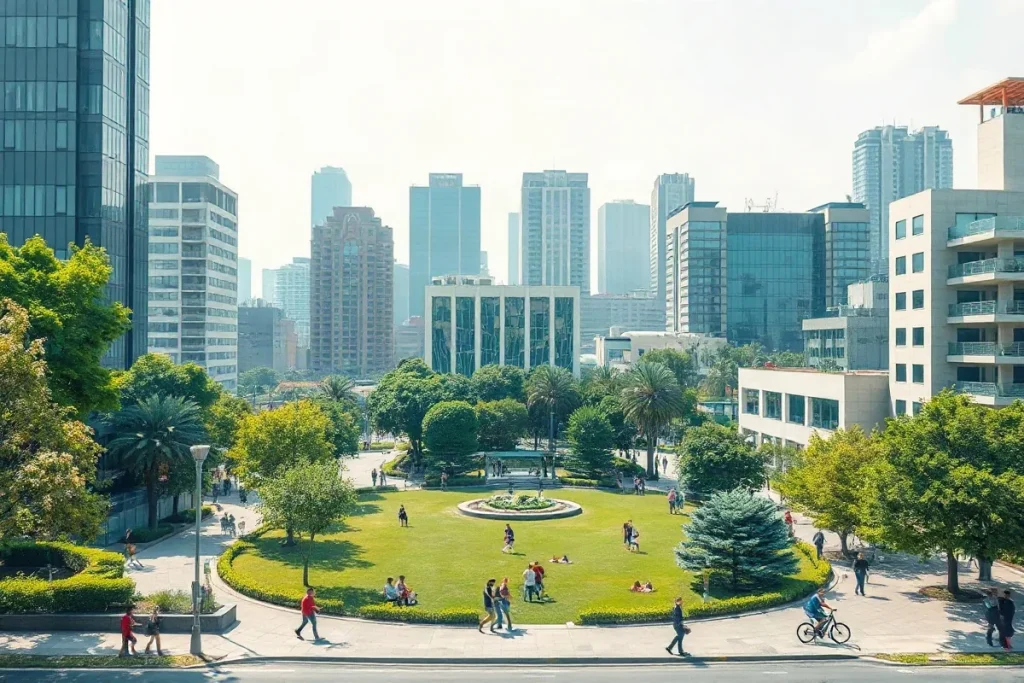
Growing Demand for Green Spaces
In 2026, the demand for green spaces in urban real estate has reached new heights, with a reported 42% of homebuyers prioritizing properties with access to parks and green areas. This trend has prompted developers to rethink traditional designs, integrating more landscaping and ecological features into their projects. The National Association of Realtors highlighted that homes near parks have seen a price increase of 15% compared to similar properties without green access, underlining the financial incentives for both developers and investors.
Moreover, urban areas like San Francisco and New York City have initiated programs encouraging developers to include green spaces in their plans. For instance, the San Francisco Green Building Ordinance mandates that new developments over 10,000 square feet must incorporate at least 20% of the site as open space, promoting sustainability and improving urban living conditions.
Impact on Urban Development Strategies
The integration of green spaces is reshaping urban development strategies in major cities. In 2026, the Urban Land Institute reported that 68% of developers are now incorporating green design elements such as native landscaping and green roofs into their projects. This shift is not only about aesthetics; it also addresses environmental concerns, helping to reduce the urban heat island effect and improve air quality.
Furthermore, municipalities are providing incentives to developers who prioritize green space. For example, in Chicago, the city offers tax breaks up to $1 million for projects that include significant green areas, which has led to a noticeable increase in eco-friendly developments. As a result, urban planners are increasingly collaborating with environmentalists to create sustainable urban environments that enhance livability.
Investment Opportunities in Eco-Friendly Developments
Investors are increasingly recognizing the potential of eco-friendly developments as a lucrative opportunity. In 2026, the global sustainable real estate market is projected to reach $1.4 trillion, with a significant portion attributed to properties that feature accessible green spaces. According to a report by the Global Real Estate Sustainability Benchmark, properties with sustainable certifications, such as LEED or BREEAM, command rental premiums of 6-9% compared to traditional buildings.
Organizations like the Green Building Council are actively promoting the benefits of green developments, advocating for more stringent sustainability standards in the industry. As a result, investors are now placing higher value on properties that not only generate income but also contribute positively to the environment and community well-being.
Challenges and Considerations
Despite the momentum, integrating green spaces into urban developments presents several challenges. Developers face increased construction costs, with green features typically raising project budgets by 10-15%. This can deter investors who prioritize quick returns, especially in competitive markets where profit margins are already tight.
Moreover, zoning regulations can complicate the process of incorporating green spaces. In cities like Los Angeles, developers have reported delays of up to six months in project approvals due to complex permitting processes. Navigating these bureaucratic hurdles is crucial for developers aiming to capitalize on the growing demand for green features in urban settings.
Future Outlook for Urban Green Spaces
Looking ahead, the future of urban green spaces appears promising. Experts predict that by 2030, at least 50% of new urban developments will include dedicated green areas as a standard practice. This evolving trend is likely to be accelerated by further government initiatives aimed at enhancing urban sustainability.
Additionally, the rise of smart city technologies is expected to complement green space initiatives. Innovations such as smart irrigation systems and energy-efficient lighting for parks could enhance the usability and appeal of these spaces, making them integral components of urban living. As cities adapt to changing demographics and climate challenges, green spaces will become increasingly vital to holistic urban planning.
Takeaway: The integration of green spaces in urban real estate is reshaping market dynamics, driven by homebuyer preferences and sustainability initiatives.

Topic guide: Analysis: The Complete Guide