Updated: October 20, 2026
Introduction: Which Mortgage Type Best Supports Rental Yield Stability?
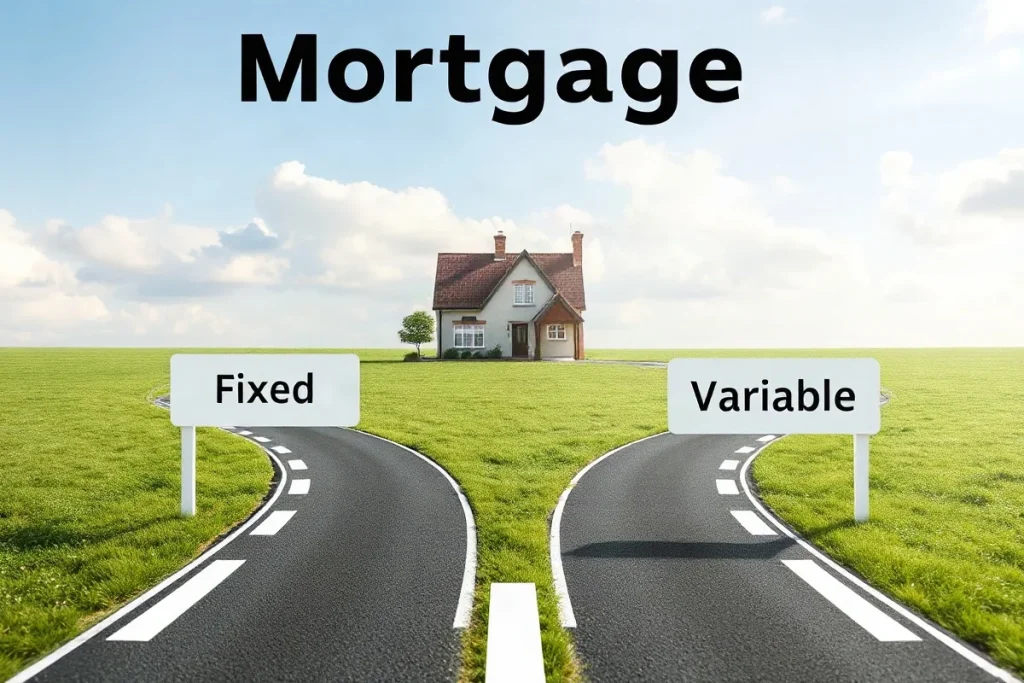
For buy-to-let investors in 2026, choosing between fixed-rate and variable-rate mortgages is a pivotal decision that directly affects rental income consistency and investment risk. Fixed-rate mortgages offer steady, predictable payments shielding landlords from interest rate hikes, while variable-rate mortgages often start with lower rates but expose investors to fluctuating costs tied to market changes. Understanding how each mortgage type influences cash flow stability and long-term returns is essential for rental property investors aiming to optimize yield and manage financial risk.
Understanding Fixed-Rate Mortgages
Advantages of Fixed-Rate Mortgages
- Payment predictability: Monthly installments remain unchanged, aiding long-term financial planning.
- Protection against rate increases: Investors are insulated from future interest rate hikes that could increase borrowing costs.
- Favorable for long-term holds: Particularly beneficial for landlords planning to keep properties for more than 10 years.
However, fixed-rate mortgages in the rental sector often start with higher interest rates compared to variable options, meaning initial monthly costs are higher. Additionally, if market rates decline, investors do not automatically benefit unless they refinance, which can incur fees and require requalification.
Variable-Rate Mortgages: Flexibility with Market Exposure
Key Characteristics of Variable-Rate Mortgages
- Lower initial interest rates: Can improve cash flow and increase rental yield in the early years.
- Rate adjustments: Typically occur annually or every few years, potentially increasing monthly payments.
- Suitable for short- to medium-term investments: Ideal for investors who may sell or refinance before rate resets.
The trade-off is the uncertainty of future payments, which can rise if interest rates go up, making budgeting more challenging. This volatility can reduce rental yield stability, especially in inflationary periods when central banks raise rates.
Comparing Fixed and Variable Mortgages for Rental Properties
Financial Planning and Risk Tolerance
The decision between fixed and variable mortgage rates hinges on the investor’s financial goals and capacity to absorb payment fluctuations. Fixed-rate mortgages provide peace of mind, especially when rental markets are stable or when property management budgets must be tightly controlled.
Risk Factors to Consider
- Interest rate volatility: Variable rates expose investors to sudden cost increases, which can squeeze cash flow and reduce net rental yield.
- Refinancing feasibility: Fixed-rate investors facing falling rates may incur refinancing fees ranging from 1% to 3% of the loan balance to capitalize on lower rates.
- Rental income stability: Properties in markets with fluctuating occupancy or rental prices may benefit from the predictability fixed rates provide.
For investors with sufficient liquidity and a higher risk appetite, variable rates can be attractive due to their lower initial costs. Conversely, risk-averse investors targeting steady monthly costs typically favor fixed-rate mortgages.
Market Trends and Regulatory Environment in 2026
As of 2026, central banks globally have been gradually increasing interest rates to combat inflation, pushing fixed mortgage rates upward. Variable mortgage rates remain lower but carry the risk of upward adjustment aligned with benchmark rates like the Federal Reserve’s federal funds rate or the Bank of England’s base rate.
Impact on Buy-to-Let Investors
- Stricter underwriting: Lenders often require debt service coverage ratios (DSCR) of 125% or higher, calculated from rental income rather than personal income.
- Loan terms: Fixed-rate loans typically come with 15- to 30-year terms; variable-rate loans may feature initial fixed periods of 3 to 7 years before adjustments.
- Regulatory policies: Some jurisdictions have introduced limits on interest-only buy-to-let mortgages, influencing mortgage product availability.
Frequently asked questions
What is the typical difference in monthly payments between fixed and variable mortgages?
Can I switch from a variable to a fixed-rate mortgage easily?
Are fixed-rate mortgages better for short-term investors?
How do interest rate hikes affect rental yield?
Key takeaways
- Fixed-rate mortgages provide stable payments ideal for long-term rental property investors focused on consistent rental yield.
- Variable-rate mortgages offer lower initial rates suited for short- to medium-term investors willing to accept payment volatility.
- Refinancing fixed-rate mortgages can be costly but necessary if interest rates drop significantly.
- Investor risk tolerance and investment horizon are crucial factors in choosing the appropriate mortgage type.
Conclusion
Choosing between fixed-rate and variable-rate mortgages for rental properties in 2026 demands a clear understanding of how each impacts financial stability and rental yield. Fixed-rate loans offer predictability and protection against rising interest costs, suiting investors with a long-term outlook. Variable-rate mortgages provide initial savings and flexibility but introduce payment uncertainty that can affect cash flow. By carefully evaluating interest rate trends, investment duration, and personal risk tolerance, buy-to-let investors can select the mortgage product that best supports their rental portfolio’s financial health and growth.
Sources
Topic guide: Analysis: The Complete Guide