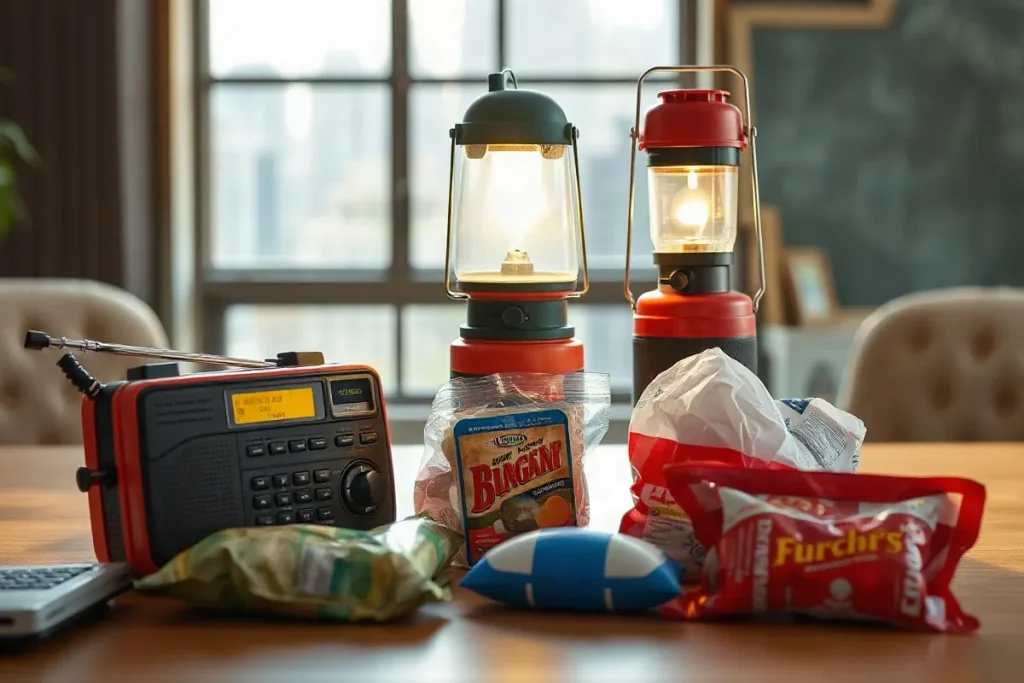
Spending at brands specializing in emergency products rose about 400% during the week of major U.S. technology outages, compared with the same period a year earlier. The surge is opening a market for supplies meant to keep households and workplaces going when digital services or electricity fail.
Outages turn worry into orders
At least half a dozen major technology outages took place in the U.S. between Nov. 12 and Nov. 17, disrupting air travel, email access and bank transactions. Some consumers worried about AI-driven cyberattacks and the state of the electricity grid, even as government officials dismissed online speculation that the failures had a malicious cause.
In Houston, Sabrina Cepeda bought propane and lighter fluid for cooking and heating without electricity, and replenished non-perishable food, hygiene products and allergy medicine. She was preparing for the possibility that her family might have to stay home for several days.
Retailers and suppliers feel the surge
Ready America, which sells emergency kits, prepackaged water and high-calorie food bars, reported roughly five times its usual e-commerce sales in recent days. Businesses that keep the company’s supplies in their offices have also placed larger orders.
Ready America asked suppliers to increase production and faced a shortage of water-purification tablets. It redirected shoppers to alternatives, including prepackaged water pouches. The company said demand was approaching levels it had rarely seen since the Covid pandemic sent Americans into lockdown more than six years ago.
The buying had started before the outages. Consumer Edge data showed shoppers significantly increasing purchases from emergency-preparedness brands late last month. News about military bases preparing to operate without outside support, alongside fears linked to the war with Iran, added to public concern.
Preparedness spending is concentrated
The rise has not spread evenly across the retail market. RBC said doomsday preparation had affected buying around the globe, but the gains so far were concentrated in a limited group of products: shelf-stable proteins, water-purification supplies and dry-pantry foods.
Mizuho told clients that outage worries and apocalyptic claims on social media were sending shoppers to Costco for emergency goods. The bank expected Costco’s November non-fuel sales growth to exceed 10% for the first time since 2022. That was a forecast, not a reported final result.
Demand has also reached beyond food and water. Clients of financial adviser Richard McWhorter have been buying in bulk at Costco and spending on power generators; some have asked how to prepare if the financial system goes down. American Hartford Gold reported more customer inquiries, with some callers concerned about relying too heavily on digital financial networks after a glitch affected JPMorgan Chase customer transactions for several hours.
Security concerns remain unresolved
The outages have prompted questions about whether companies should spend more to protect their systems. Investors may press businesses to accelerate cybersecurity investment because of concerns about rogue AI agents, although no resulting corporate spending decision was reported.
Jay Clayton, the U.S. director of national intelligence, said the outages were not a cyberattack or a coordinated effort by a foreign nation. Sen. Mark Warner said people were frightened and warned that the U.S. had not yet faced a major AI-generated cyberattack or a crisis caused by AI agents going rogue.
The immediate commercial test is whether emergency buying continues after the outages, while the broader question of how businesses respond to the security concerns remains open.
Sources
- newsfilter.io — “Tech outages are fueling a new doomsday economy”
- cnbc.com — “Emergency prep spending surges amid U.S. tech outages”
- NewsNation — “Your Morning: ‘Doomsday’ prep rush amid outages”
- nbcnews.com — “Tech outages have fueled a blackout panic”