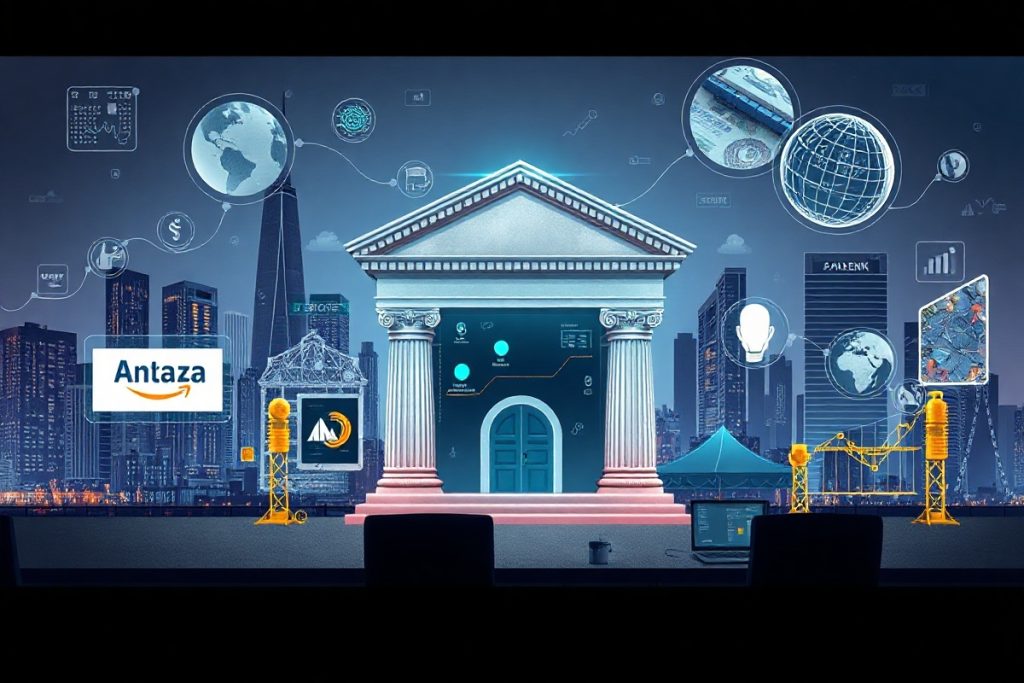
As we navigate through 2026, the landscape of financial services is undergoing a profound transformation, largely driven by the rise of Banking as a Service (BaaS). This innovative model enables companies to offer comprehensive banking solutions without the need for traditional infrastructure, thereby democratizing access to financial services. With the integration of cutting-edge technologies like artificial intelligence and blockchain, we are witnessing a new era where agility and customer-centricity reign supreme in the banking sector.
The future of Banking as a Service promises not only to enhance financial inclusion but also to redefine how consumers and businesses interact with their banks. From personalized financial products to seamless payment solutions, the innovations on the horizon are set to reshape our understanding of banking. As we delve into the key advancements and trends in BaaS for 2026, it becomes clear that the future of finance is more accessible and interconnected than ever before.
The Rise of Banking as a Service (BaaS)
Banking as a Service (BaaS) has emerged as a transformative model in the financial sector, redefining how banking services are delivered and consumed. At its core, BaaS enables traditional banks to offer their services via APIs to third-party developers, allowing them to create tailored financial products and services without needing to build their own banking infrastructure. This collaborative approach not only enhances customer experiences but also accelerates innovation by leveraging the strengths of various stakeholders in the financial ecosystem.
As of 2026, the adoption of BaaS has seen remarkable growth, reflecting a broader trend towards embedded finance and mobile-first solutions. Reports indicate that over 70% of banks have either adopted or are in the process of implementing BaaS frameworks to stay competitive in a rapidly changing market. The acceleration can be attributed to the increasing demand for seamless financial services integrated into everyday applications, which has been further fueled by advancements in technology such as AI and machine learning. These innovations enhance the efficiency of BaaS offerings by enabling real-time fraud detection and improving overall cybersecurity measures, ensuring that customer data and transactions remain secure.
Key players in the BaaS landscape include both established financial institutions and agile fintech startups. Partnerships between traditional banks and tech companies are reshaping the market, allowing for a more diversified range of services. Notable collaborations have resulted in the development of advanced predictive analytics tools and personalized banking experiences that cater to individual customer needs. As competition intensifies, institutions that prioritize flexibility and innovation through BaaS are expected to emerge as leaders, equipped to respond swiftly to market demands and consumer expectations.
In summary, the evolution of Banking as a Service in 2026 is characterized by its focus on integration, security, and customer-centricity. As banks continue to leverage technology to enhance their offerings, the financial landscape will likely witness even more dynamic changes, paving the way for a future where banking services are not just transactional but deeply embedded in the everyday lives of consumers.
Artificial Intelligence: The Game Changer
Artificial intelligence (AI) is set to redefine the banking landscape in 2026, fundamentally transforming how financial institutions operate and interact with their customers. By leveraging advanced machine learning algorithms, banks will enhance their operational efficiency, allowing for streamlined processes and improved service delivery. The integration of AI will not only automate routine tasks but also enable more complex decision-making processes, ultimately freeing human resources to focus on strategy and customer engagement.
One of the most significant advancements powered by AI is real-time fraud detection and anomaly identification. With the ability to analyze vast datasets instantaneously, AI systems can spot irregular patterns that may indicate fraudulent activity. This capability allows banks to respond swiftly to potential threats, minimizing financial losses and enhancing customer trust. As cyber threats become increasingly sophisticated, the importance of advanced security measures cannot be overstated. AI-driven systems, equipped with predictive analytics, will empower banks to anticipate and mitigate risks before they escalate into serious issues.
Moreover, the personalization of customer experience will reach new heights through predictive analytics. By analyzing customer behavior and preferences, AI can provide tailored recommendations and services that resonate with individual clients. This level of personalization creates a more engaging banking experience, fostering customer loyalty and satisfaction. In 2026, consumers will expect their banking interactions to be as intuitive and responsive as any other digital service, and banks that harness the power of AI to meet these expectations will likely gain a competitive edge.
To summarize, the role of artificial intelligence in banking as a service is pivotal for the innovations anticipated in 2026. Key areas of impact include:
- Operational Efficiency: Streamlining processes and reducing manual intervention.
- Real-Time Fraud Detection: Enhancing security through rapid anomaly identification.
- Personalized Customer Experience: Delivering customized services using predictive analytics.
As the banking sector embraces these advancements, the integration of AI will not only improve security and efficiency but also redefine the customer experience, setting a new standard for service in the financial world.
Generative AI: Transforming Customer Interactions
The integration of generative AI into banking is set to redefine customer interactions in 2026. By leveraging advanced algorithms, banks can analyze copious amounts of customer data to generate personalized responses and recommendations that resonate with individual needs. This capability not only enhances customer service but also streamlines the overall banking experience. For instance, chatbots powered by generative AI can provide instant support, effectively handling queries ranging from account management to complex financial advice. This allows human agents to focus on higher-level tasks, improving efficiency and customer satisfaction.
Moreover, generative AI plays a crucial role in product innovation and development. With its ability to simulate various financial scenarios and predict customer behavior, banks can identify gaps in their service offerings and create tailored products that meet market demands. Imagine a scenario where a bank uses AI to analyze spending habits and suggest personalized savings plans or investment opportunities. This level of customization fosters deeper customer loyalty and opens new revenue streams for financial institutions.
In terms of marketing and customer engagement strategies, generative AI empowers banks to craft targeted campaigns that resonate with specific demographics. By analyzing customer data, banks can segment their audience more effectively and deliver messages that speak directly to their interests. Personalized marketing communication—whether through email, social media, or app notifications—can significantly enhance engagement rates. As customers increasingly expect tailored experiences, utilizing generative AI for marketing not only meets these expectations but also sets institutions apart in a competitive landscape.
In summary, the adoption of generative AI in banking will not only transform customer interactions but also reshape product development and marketing strategies. Financial institutions that harness this technology will find themselves better equipped to meet the evolving demands of their clients, driving innovation and growth in the industry. As we move through 2026, the banks that embrace these advancements will undoubtedly lead the charge in redefining customer relationships and experiences.
Cybersecurity Innovations for 2026
As Banking as a Service (BaaS) continues to evolve in 2026, the importance of advanced cybersecurity measures cannot be overstated. With the increasing reliance on digital platforms and APIs to facilitate financial transactions, protecting sensitive data is paramount. Cybersecurity innovations are now fundamental to maintaining trust and integrity in the financial ecosystem. Financial institutions are investing heavily in cutting-edge technologies to safeguard against an array of cyber threats, ranging from data breaches to sophisticated hacking attempts.
One of the most significant advancements in this domain is the emergence of quantum-safe cryptography. As quantum computing technology matures, traditional cryptographic methods are becoming vulnerable to potential attacks. Quantum-safe cryptography employs algorithms that remain secure against the capabilities of quantum computers, ensuring that data remains protected in an era where computational power can exponentially increase. This paradigm shift is crucial for BaaS providers, as they need to assure clients that their data will be safeguarded against future threats.
In addition to quantum-safe measures, several emerging trends are shaping the landscape of cybersecurity within BaaS. Artificial intelligence (AI) and machine learning (ML) are at the forefront, enhancing the ability to detect and respond to fraudulent activities in real-time. By analyzing transaction patterns and user behavior, these technologies can identify anomalies and flag them for immediate investigation, significantly reducing the window in which fraud can occur. Furthermore, automated security protocols are being integrated to streamline responses to potential breaches, thereby minimizing damage and protecting user trust.
The future of cybersecurity in BaaS also involves fostering a culture of security awareness among users. This includes implementing robust multi-factor authentication systems and promoting best practices for secure transactions. As consumers become more educated about cybersecurity risks, their expectations for secure banking experiences will rise, pushing institutions to continually innovate and improve their protective measures.
In summary, as we navigate through 2026, the convergence of advanced cybersecurity measures, quantum-safe cryptography, and AI-driven solutions will play a critical role in defining the resilience of Banking as a Service. Organizations that proactively embrace these innovations will not only enhance their security posture but also foster greater consumer confidence in the digital banking landscape.
The Role of Embedded Finance
Embedded finance is rapidly emerging as a transformative force within the Banking as a Service (BaaS) ecosystem, enabling financial services to be seamlessly integrated into digital platforms across various industries. This integration allows companies to offer financial products directly within their applications, thereby enhancing user experience and streamlining transactions. By embedding finance into platforms like e-commerce, healthcare, and travel, businesses can provide tailored financial solutions that meet specific customer needs, ultimately driving increased engagement and loyalty.
The benefits of embedded finance in BaaS are manifold. For one, it reduces friction in the customer journey by allowing transactions to occur without requiring users to navigate away from their primary applications. This convenience not only improves user satisfaction but can also lead to higher conversion rates. Additionally, embedded finance can empower businesses to leverage their data and customer relationships to offer personalized financial services, enhancing their value proposition. As companies collect and analyze user data, they can create targeted financial products, such as customized lending options or insurance packages, that align closely with customer preferences.
Several sectors have successfully implemented embedded finance, showcasing its potential and versatility. For example, e-commerce giants have integrated payment solutions directly into their platforms, allowing customers to complete purchases with a single click. In the travel industry, companies are offering financing options for trips, enabling customers to book vacations without upfront costs. Moreover, healthcare providers are beginning to incorporate payment plans and insurance verification processes into their patient portals, simplifying the financial aspects of obtaining medical care.
Looking ahead, the future of embedded finance within BaaS is promising, although it does come with challenges. As more businesses adopt this model, the need for robust cybersecurity measures becomes paramount, as the integration of financial services increases the risk of data breaches and fraud. Additionally, regulatory compliance must be navigated carefully, as financial services are heavily regulated and vary by region. The successful integration of embedded finance will require continuous innovation, particularly in areas such as artificial intelligence and machine learning, to enhance security and streamline operations. Ultimately, companies that can effectively harness the power of embedded finance will likely gain a significant competitive edge in the evolving financial landscape.
Mobile-First Banking: A Necessity, Not an Option
The banking landscape is undergoing a profound transformation, with mobile-first solutions emerging as a cornerstone of modern financial services. As we advance through 2026, the shift towards mobile banking is not merely a trend; it has become a necessity for banks aiming to remain competitive. Customers now expect seamless, intuitive banking experiences that can be accessed anytime and anywhere, making mobile applications a focal point for innovation. This evolution is driven by the need for convenience and efficiency, as users increasingly prioritize platforms that enhance their banking interactions.
User experience (UX) enhancements in mobile applications play a pivotal role in this transition. Banks are investing in sophisticated design and functionality to create interfaces that are not only user-friendly but also engaging. Features such as personalized dashboards, AI-driven chatbots, and real-time notifications are being integrated to cater to individual customer needs. This focus on UX is crucial, as it directly influences customer satisfaction and retention rates. Research indicates that users are more likely to remain loyal to banks that provide a positive mobile experience, resulting in higher engagement and increased usage of various banking services.
Moreover, the impact of mobile-first banking extends beyond mere convenience. With the rise of embedded finance, banks are leveraging APIs to offer financial services directly within third-party applications, further enhancing accessibility. This integration allows users to manage their finances seamlessly, whether they are shopping online or using a budgeting tool. As a result, customer interactions with financial services are becoming more fluid, leading to increased customer loyalty and a stronger connection to their banks.
In this competitive environment, banks that prioritize mobile-first strategies are likely to outperform their peers. The focus on enhancing user experience through mobile applications is not just about keeping up with trends; it is integral to building lasting customer relationships. As banks continue to innovate and adapt to the preferences of their clients, those that embrace a mobile-first philosophy will undoubtedly shape the future of banking in 2026 and beyond.
Automation in Banking Operations
As we look at the banking landscape in 2026, automation stands out as a transformative force reshaping operational processes. Financial institutions are increasingly adopting advanced technologies like robotic process automation (RPA) to streamline routine tasks. By automating repetitive processes such as data entry, transaction processing, and customer service inquiries, banks can enhance efficiency, reduce human error, and enable their workforce to focus on more complex and value-added activities. This shift not only accelerates service delivery but also improves customer satisfaction by ensuring quicker responses and more accurate transactions.
The benefits of embracing automation in banking operations extend beyond efficiency gains. By significantly reducing operational costs, banks can reallocate resources to areas that drive innovation and growth. With automation in place, institutions can achieve a leaner operational model, which is especially crucial in a competitive landscape where profit margins are under constant pressure. In 2026, the integration of AI and machine learning into automation processes is expected to further enhance these benefits, allowing banks to analyze vast amounts of data in real-time and adjust their operations accordingly. This results in a more agile banking environment capable of responding swiftly to market changes and customer needs.
Looking ahead, the future of RPA in finance appears promising. As banks continue to invest in this technology, we can expect to see a broader application of RPA across various functions such as compliance, risk management, and customer relationship management. The integration of generative AI within RPA systems will likely facilitate even more sophisticated decision-making processes, enabling banks to forecast trends and identify potential risks with greater accuracy. Moreover, as the emphasis on cybersecurity intensifies, automated systems will play a critical role in monitoring and responding to threats in real-time, ensuring robust protection of sensitive financial data.
In summary, the automation of banking operations in 2026 is set to revolutionize how financial institutions function. By streamlining processes, reducing costs, and enhancing efficiency, banks can position themselves to thrive in an increasingly digital and competitive landscape. As innovation continues to unfold, the role of automation will be pivotal in shaping the future of banking as a service.
Regulatory Considerations and Compliance
As the landscape of Banking as a Service (BaaS) continues to evolve in 2026, regulatory considerations play a pivotal role in shaping the future of this innovative financial model. The regulatory environment has become increasingly complex, driven by rapid technological advancements and the growing integration of financial services into various platforms. Governments and regulatory bodies worldwide are focusing on ensuring consumer protection, data privacy, and financial stability, leading to a myriad of compliance requirements that banks and fintechs must navigate. In this environment, institutions are tasked with not only adhering to existing regulations but also anticipating future legislative changes that could impact their operations.
One of the primary challenges that banks face in meeting compliance requirements is the need to balance innovation with regulatory adherence. The adoption of advanced technologies such as artificial intelligence and machine learning for fraud detection and customer service must align with strict data protection laws and ethical guidelines. Banks must ensure that their AI systems are transparent and accountable, which requires robust frameworks for monitoring and evaluating these technologies. Furthermore, as BaaS platforms increasingly rely on open banking principles and API integrations, institutions must navigate the complexities of data sharing and third-party risk management while maintaining compliance with regulations like the General Data Protection Regulation (GDPR) and the Payment Services Directive (PSD2).
To successfully navigate the regulatory landscape while fostering innovation, banks can adopt several strategies. First, establishing a dedicated compliance team that stays abreast of regulatory changes and industry best practices is essential. This team can work closely with technology and product development teams to ensure that new offerings are built with compliance in mind from the outset. Second, leveraging technology to automate compliance processes can enhance efficiency and reduce the risk of human error. Advanced tools can assist in monitoring transactions in real-time, ensuring that any anomalies are flagged and addressed promptly. Finally, fostering strong relationships with regulators and participating in industry forums can provide banks with valuable insights into upcoming regulatory trends and help shape a more collaborative approach to compliance.
In summary, the intersection of innovation and regulation in the BaaS sector requires a proactive and strategic approach, enabling banks to meet compliance demands while embracing the transformative potential of new technologies. By prioritizing regulatory considerations, banks can position themselves as leaders in the evolving financial services ecosystem.
Frequently asked questions
What is Banking as a Service?
How will AI impact banking in 2026?
What are the key cybersecurity trends in BaaS?
Why is embedded finance important?
What does a mobile-first approach mean for banks?
Key takeaways
- BaaS is redefining the banking landscape through innovative partnerships.
- AI and generative AI are pivotal in enhancing customer experience and security.
- Cybersecurity remains a critical focus for protecting sensitive data.
- Embedded finance is shaping the future of how consumers access financial services.
- A mobile-first strategy is essential for meeting evolving customer expectations.
Sources
softjourn.com, dashdevs.com, oldnational.com, kissflow.com, Accenture