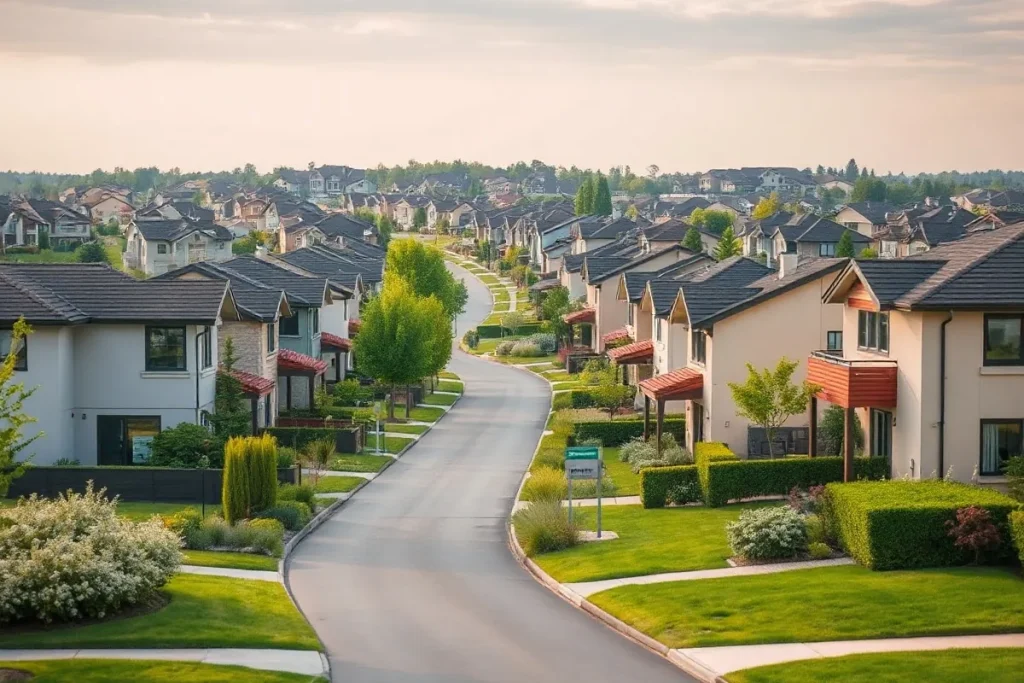
As the world continues to adapt to the evolving landscape of work and lifestyle, a new report has unveiled a significant surge in remote work property investments in 2026. With more professionals opting for flexible work arrangements, the demand for properties that cater to remote living has skyrocketed, presenting unique opportunities for investors and homeowners alike.
This trend reflects a fundamental shift in how we view work-life balance, prompting investors to pivot their strategies towards properties that offer the ideal environment for remote work. Whether it’s homes equipped with dedicated office spaces or locations that embrace a more relaxed lifestyle, the 2026 property market is rapidly evolving to meet the needs of this new workforce demographic.
The Remote Work Revolution
The shift towards remote work has been one of the most significant changes to the employment landscape since the pandemic. In 2026, statistics reveal that a staggering 76% of workers would consider leaving their jobs if remote work options were revoked, highlighting the immense value employees place on flexibility. This trend has led many organizations to adopt hybrid work models, effectively blurring the lines between home and office. As a result, the demand for residential properties, particularly in suburban areas, has skyrocketed, reshaping the dynamics of the real estate market.
The allure of remote work extends beyond mere convenience; it has fundamentally altered lifestyle preferences. With the ability to work from anywhere, many individuals are seeking homes that accommodate not just their professional needs but also their personal aspirations. Features such as home offices, spacious layouts, and proximity to recreational amenities are increasingly prioritized by buyers. Consequently, suburban markets have experienced a notable uptick in property values, as these areas become more appealing to those looking to escape the hustle and bustle of urban living.
Moreover, the impact of remote work on housing choices is evident in the rising trend of individuals relocating from densely populated cities to quieter, suburban neighborhoods. This migration has driven up demand in areas that were once overlooked, prompting a shift in real estate investment strategies. Investors are now keenly focused on properties that cater to the remote worker demographic, recognizing that proximity to urban centers is no longer the primary consideration.
As the real estate landscape continues to evolve in response to remote work, technology is playing a pivotal role in optimizing investment decisions. Artificial intelligence tools are increasingly being utilized to analyze usage data, enabling investors to identify emerging trends and make informed choices. This data-driven approach not only enhances investment efficiency but also aligns with the changing needs of a workforce that values flexibility and lifestyle balance.
In summary, the remote work revolution has transformed not only how we work but also where we choose to live. As we move through 2026, the implications of this shift are far-reaching, influencing everything from property values to the very nature of residential investments.
Changing Dynamics in Property Investments
The rise of remote work has fundamentally transformed the landscape of property investments, particularly in suburban and rural areas. As more companies adopt hybrid work models, employees are increasingly seeking homes that provide both comfort and functionality for a work-from-home lifestyle. This shift has driven a notable increase in demand for properties outside urban centers, leading to significant appreciation in home prices within these regions. Suburban housing markets are thriving, as buyers express a preference for spacious homes that can accommodate dedicated office spaces, outdoor areas, and family-friendly amenities.
In stark contrast, urban property investments are witnessing a more complex narrative. While metropolitan areas traditionally attracted a majority of real estate investment due to their proximity to workplaces and amenities, the pandemic-induced shift towards remote work has diminished the urgency for urban living. Many city dwellers are reconsidering their housing needs, opting to relocate to suburban or rural areas where they can benefit from larger living spaces and lower costs of living. This trend has prompted urban developers to rethink their strategies, as demand for office spaces declines and more residential units are needed to cater to the evolving preferences of homebuyers.
As buyers evaluate their options, certain home features have emerged as top priorities. The following characteristics are increasingly sought after in suburban properties:
- Home office space: Dedicated areas for work are now essential, with many buyers looking for rooms that can double as offices.
- Outdoor spaces: Gardens, balconies, and patios provide much-needed recreational areas for families.
- High-speed internet: Reliable connectivity has become a non-negotiable requirement for remote workers.
- Proximity to nature: Access to parks and hiking trails is appealing as many seek a better work-life balance.
The data-driven insights provided by advanced technologies, including AI, have further facilitated this trend by helping investors identify emerging markets and optimize their portfolios based on current usage patterns. As remote work solidifies its place in the fabric of everyday life, the dynamics of property investments will continue to evolve, with suburban and rural areas poised to capture a greater share of the market.
Real Estate Market Growth in 2026
The real estate market in 2026 is witnessing unprecedented growth, particularly in suburban areas, driven largely by the increasing prevalence of remote work. With businesses increasingly adopting hybrid models, many employees are making the transition from urban apartments to spacious homes in the suburbs, which has fueled a remarkable surge in home prices. According to recent statistics, suburban home values have increased by an average of 15% over the past year, a trend that is reshaping the dynamics of the housing market. Buyers are now prioritizing features such as home offices, larger backyards, and proximity to recreational areas, reflecting the new lifestyle demands of remote work.
New construction plays a critical role in addressing the heightened housing demand. Developers are responding with a surge in residential projects aimed at providing more family-friendly homes that cater to the evolving preferences of today’s buyers. In 2026, new housing starts are up by 25% compared to previous years, with many builders focusing on energy-efficient designs and smart home technologies. This not only helps to meet the current demand but also positions these new developments as attractive options for environmentally conscious buyers. The emphasis on sustainable living is becoming a significant selling point, as more individuals look for homes that align with their values.
However, this growth is not uniform across the country. Regional disparities in property price growth are evident, with some areas experiencing explosive increases while others remain relatively stagnant. For instance, cities like Atlanta and Denver have seen property values rise sharply due to an influx of remote workers seeking more affordable housing, while certain urban centers continue to grapple with declining demand for office spaces and higher vacancy rates. These variations highlight the complexities of the current real estate landscape, where local economic factors and demographic shifts play a crucial role in shaping market trends.
As we navigate this transformative period in real estate, stakeholders—from investors to homebuyers—must remain vigilant about these emerging trends. Understanding the impact of remote work on housing preferences and the regional differences in market performance will be essential for making informed decisions in this evolving environment.
Hybrid Work Models and Their Impact
As companies increasingly adopt hybrid work models in 2026, the demand for office space is evolving in significant ways. Traditional office spaces are being reimagined, as employers seek to accommodate flexible schedules while fostering collaboration and innovation among their teams. The focus has shifted from maximizing square footage to creating environments that support various work styles. This transition is prompting businesses to rethink their real estate strategies, placing an emphasis on adaptable spaces that can easily be reconfigured for different uses.
Commercial real estate is witnessing notable trends as organizations adapt to the new normal. Many companies are downsizing their office footprints, opting for shared spaces or coworking environments that allow for a more flexible usage of real estate. This shift is particularly pronounced in urban centers where the cost of maintaining larger spaces can be prohibitive. Suburban areas are becoming increasingly attractive, as remote work allows employees to live farther from their offices, leading to a surge in property investments in these regions. As a result, suburban real estate is experiencing a renaissance, with home prices rising and new developments catering to families seeking a balance between work and lifestyle.
Several businesses have successfully navigated this transition to hybrid models, serving as case studies for others looking to make similar changes. For instance, a tech company based in San Francisco reduced its office space by 40% while investing in high-quality collaboration areas and technology that supports virtual meetings. This strategy not only cut costs but also improved employee satisfaction, as team members could choose to work from home or in the office based on their needs. Another example is a financial services firm that has embraced a hybrid model, allowing employees to work remotely two to three days per week. This approach has led to increased productivity and has become a key factor in attracting top talent, with surveys indicating that 76% of workers would consider leaving their jobs if remote work options were eliminated.
As businesses continue to refine their hybrid work strategies, it is clear that the impact on office space requirements will be lasting. The integration of AI and data analytics further enhances decision-making in real estate investments, ensuring that companies can optimize their spaces based on actual usage patterns. This dynamic environment presents both challenges and opportunities, as organizations strive to create workplaces that reflect the needs and preferences of a modern workforce.
The Role of Technology in Real Estate Investments
The integration of technology into real estate investments has become increasingly vital, particularly in the context of rising remote work trends in 2026. Artificial intelligence (AI) is at the forefront of this transformation, enabling investors to optimize their property portfolios based on comprehensive usage data. By analyzing patterns in how properties are utilized, AI tools provide insights that help investors make informed decisions regarding purchasing, selling, and managing properties. This data-driven approach not only enhances investment strategies but also allows for more accurate forecasting of market trends and property values, which is essential in a rapidly evolving landscape.
Moreover, the emergence of tech-driven platforms has revolutionized the way buyers and investors interact with the real estate market. Online marketplaces and property management software have streamlined processes, making it easier for users to access listings, analyze property performance, and even conduct virtual tours. These platforms often integrate AI-driven analytics, enabling users to compare properties based on a multitude of factors, such as price trends, neighborhood demographics, and potential rental income. As a result, tech-driven solutions are democratizing the investment landscape, providing tools that were once available only to seasoned investors.
Looking ahead, we can anticipate several future trends in technology that will further influence the real estate sector. For instance, the adoption of blockchain technology promises to enhance transparency and security in property transactions, potentially reducing fraud and simplifying processes like title transfers. Additionally, advancements in virtual and augmented reality could transform property showcasing, allowing potential buyers to visualize homes before visiting them in person. As these technologies continue to develop, they will likely reshape buyer expectations and investment strategies, making the real estate market more dynamic and accessible.
In summary, the role of technology in real estate investments is becoming increasingly significant, particularly as remote work reshapes the property landscape in 2026. Investors who embrace these technological advancements are likely to gain a competitive edge, navigating the complexities of the market with greater ease and efficiency.
Government Policies and Economic Factors
The surge in remote work has prompted numerous government policies aimed at supporting this new work paradigm, significantly influencing housing markets across the country. Many local administrations have introduced incentives to attract remote workers, such as tax breaks and grants for those relocating to suburban areas. These initiatives not only help to offset moving costs but also encourage the development of housing that caters to the needs of a remote workforce. The result has been a notable increase in property investments in regions that were previously overlooked, leading to a revitalization of local economies.
As remote workers flock to suburban and even rural locales, local economies are experiencing a transformation. Shops, restaurants, and services are beginning to adapt to the influx of new residents who require amenities that support a work-from-home lifestyle, including high-speed internet and coworking spaces. This demographic shift is creating a ripple effect; areas that once struggled with population decline are now witnessing a resurgence in both commercial and residential property values. In turn, this growth is prompting municipalities to invest in infrastructure improvements and community resources, ensuring that they can sustain the growing population and enhance the quality of life for all residents.
Financially, municipalities benefiting from rising property values are finding themselves in a favorable position. Increased property tax revenues are bolstering local budgets, allowing for investments in public services and infrastructure. For instance, cities like Atlanta are projecting significant boosts in property tax revenues, which are essential for funding essential services such as education, public safety, and transportation. However, the rapid increase in property values also brings challenges, including potential affordability issues for long-term residents and the need for balanced development that addresses both new arrivals and existing community members.
In summary, the intersection of government policies and economic factors related to remote work is reshaping housing markets and local economies. As municipalities adapt to the growing trend of remote work, they must navigate the complexities of property value growth while ensuring that the benefits are felt across all segments of the community.
Challenges in the Current Market
The surge in remote work property investments has undoubtedly transformed the real estate market, particularly in suburban areas, but it also brings forth a range of challenges for investors. One of the most pressing issues is the risk of overvaluation in certain markets. As demand for homes in suburban locales has skyrocketed, driven by the appeal of larger living spaces and a desire for a more relaxed lifestyle, property prices have surged. However, this rapid increase can lead to inflated valuations, leaving investors vulnerable to significant losses should the market correct itself. Investors must exercise caution and conduct thorough due diligence to avoid entering markets that may be unsustainable in the long run.
Housing affordability is another critical concern in this evolving landscape. As suburban areas become increasingly attractive to remote workers, the influx of buyers has led to heightened competition and rising home prices. Many potential homeowners find themselves priced out of the market, leading to a growing disparity between income levels and housing costs. This imbalance can create a precarious situation for investors, as a lack of affordable housing may deter prospective buyers, ultimately affecting the value of their investments. Moreover, in some regions, the gentrification associated with these changes may lead to social tensions, further complicating the investment climate.
Additionally, the changing requirements for office space due to the shift toward hybrid work models present another layer of complexity. With companies increasingly adopting flexible working arrangements, the demand for traditional office spaces is fluctuating. This shift could lead to a surplus of commercial properties that may struggle to attract tenants, impacting the overall real estate market. Investors must remain agile and informed about these trends to successfully navigate the challenges and capitalize on opportunities.
In summary, while the rise in remote work has opened new avenues for property investments, it is essential for investors to remain vigilant. Evaluating market dynamics, understanding affordability issues, and anticipating changes in commercial space demand will be crucial in making informed investment decisions in 2026 and beyond.
Future Outlook for Remote Work and Real Estate
The future of remote work is poised to bring lasting changes to the real estate landscape, particularly as hybrid work models become more entrenched in corporate culture. By 2026, a significant shift has occurred, with many companies adopting flexible work arrangements that allow employees to split their time between home and the office. This transformation is expected to continue influencing where individuals choose to live, with suburban areas emerging as increasingly desirable locations. The trend indicates that buyers are prioritizing features such as home office spaces, larger living areas, and proximity to local amenities, all of which cater to a lifestyle that balances work and leisure.
As demographic patterns evolve, the preferences of homebuyers will likely shift in response to these new work arrangements. Younger professionals and families are gravitating towards suburban homes that offer more space and a better quality of life compared to urban living. This has led to a competitive real estate market in these areas, with prices steadily rising as demand increases. Moreover, the growing inclination for remote work is driving interest from previously overlooked demographics, including retirees and digital nomads, who are now seeking properties that suit a more flexible lifestyle.
To adapt to these ongoing changes, the real estate industry must remain agile and responsive. Developers and real estate agents need to focus on creating and marketing properties that meet the evolving demands of remote workers. This could involve emphasizing features that support a productive work environment, such as high-speed internet access, soundproof rooms, and dedicated workspaces. Additionally, incorporating technology, like artificial intelligence, can help real estate professionals analyze usage data to better understand consumer preferences and optimize property investments accordingly.
In conclusion, the lasting effects of remote work on real estate are significant and multifaceted. As buyer demographics continue to shift and preferences evolve, the industry must embrace innovation and flexibility to thrive in this new landscape. By understanding the needs of today’s remote workforce, real estate stakeholders can position themselves for success in an increasingly competitive market.
Frequently asked questions
What has caused the increase in suburban property investments?
How is the hybrid work model affecting commercial real estate?
What technologies are influencing real estate investments?
Are there any risks associated with investing in suburban properties?
What is the long-term outlook for remote work and real estate?
Key takeaways
- Remote work is reshaping where people choose to live and invest.
- Suburban and rural properties are seeing increased demand and higher prices.
- Technology, including AI, plays a crucial role in optimizing real estate investments.
- Hybrid work models are changing the landscape of commercial real estate.
- Investors must navigate challenges like overvaluation and affordability issues.
Sources
realestateu.com, CBRE Investment Management, venasolutions.com, gable.to, The Pew Charitable Trusts

Topic guide: Analysis: The Complete Guide