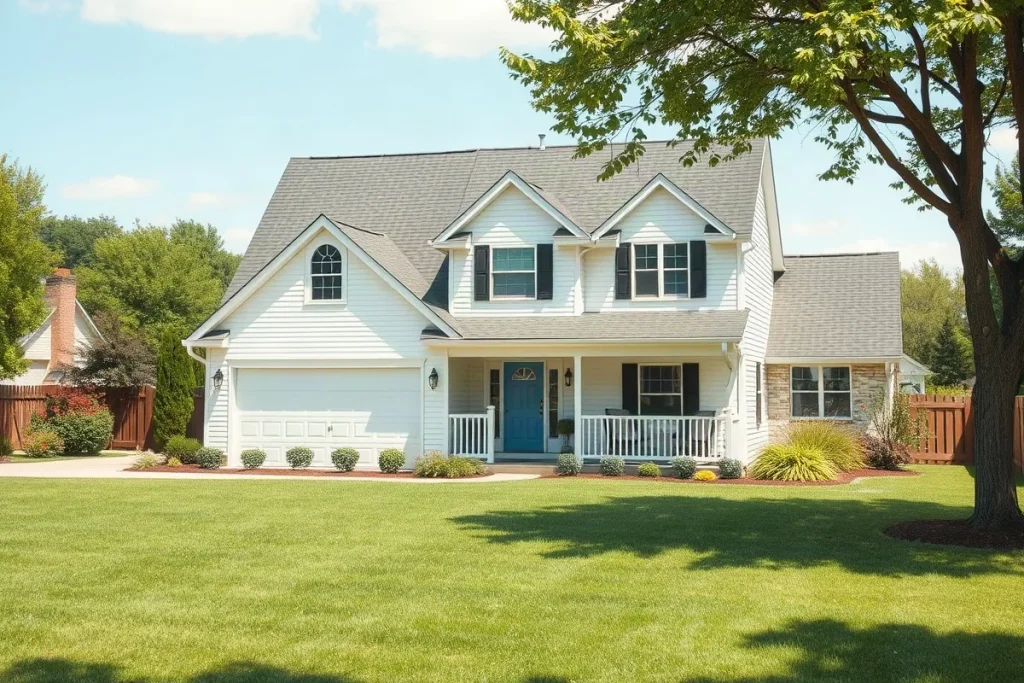
Growing Demand for Space
A 2026 study conducted by the National Association of Realtors (NAR) indicates that 62% of suburban homebuyers are prioritizing larger properties, up from 50% in 2025. This trend is largely attributed to the increased need for home offices and recreational spaces, a shift catalyzed by the remote work culture that emerged during the pandemic.
The average size of homes purchased in suburban areas has risen to 2,800 square feet, compared to 2,400 square feet in the previous year. This 400-square-foot increase illustrates the changing preferences of buyers, who are now willing to invest more in spacious living environments that accommodate both work and leisure.
Influence of Remote Work
The enduring impact of remote work is driving this surge in demand. According to a survey by Zillow, 45% of remote workers stated that having a dedicated workspace was a top priority when choosing a home. With many companies adopting flexible work arrangements, buyers are increasingly seeking larger homes that can comfortably accommodate both professional and personal activities.
Moreover, the average price of suburban homes has risen by 8% in 2026, with the median price now at $450,000. This uptick reflects not only the growing demand for larger homes but also the competitive nature of the current real estate market, where bidding wars are becoming commonplace.
Impact on Market Dynamics
The shift towards larger suburban properties is reshaping the market landscape. Real estate agents report a decrease in the inventory of smaller homes, which has led to a 25% increase in the average days on market for these properties. As buyers flock to larger homes, sellers of smaller units are experiencing longer wait times and lower offers.
This trend is prompting builders to pivot their strategies. As of mid-2026, major construction firms like Lennar and D.R. Horton are prioritizing the development of larger homes, with plans to increase the number of properties exceeding 3,000 square feet by 30% in the next year. This shift in construction focus aims to meet the rising demand and capitalize on changing buyer preferences.
Financial Implications for Buyers
The preference for larger homes is also influencing the financial landscape for buyers. In 2026, potential homeowners are facing higher mortgage rates averaging 6.5%, compared to 5.2% in 2025. This increase results in higher monthly payments, with estimates suggesting that buyers may pay an additional $200 per month for a mortgage on a larger property.
Additionally, homebuyers are increasingly opting for adjustable-rate mortgages (ARMs) to manage costs, with 35% of new buyers choosing this option in 2026. This decision reflects a desire to make larger homes more affordable in the short term, despite potential long-term financial risks associated with fluctuating interest rates.
Community and Lifestyle Considerations
The shift towards larger suburban homes is not solely a financial decision; it also reflects a desire for community and lifestyle. Many buyers are looking for properties in family-friendly neighborhoods that offer amenities such as parks, schools, and recreational facilities. In 2026, 70% of buyers reported that access to community amenities was a critical factor in their home purchasing decision.
Furthermore, the trend is leading to a resurgence of suburban development, with local governments investing in infrastructure improvements. Cities like Frisco, Texas, are allocating $10 million in 2026 for parks and recreation enhancements to attract families seeking larger homes in vibrant communities.
In summary, the growing preference for larger suburban properties in 2026 reflects a fundamental shift in lifestyle needs, influenced by the ongoing remote work trend and changing market dynamics.

Topic guide: Analysis: The Complete Guide