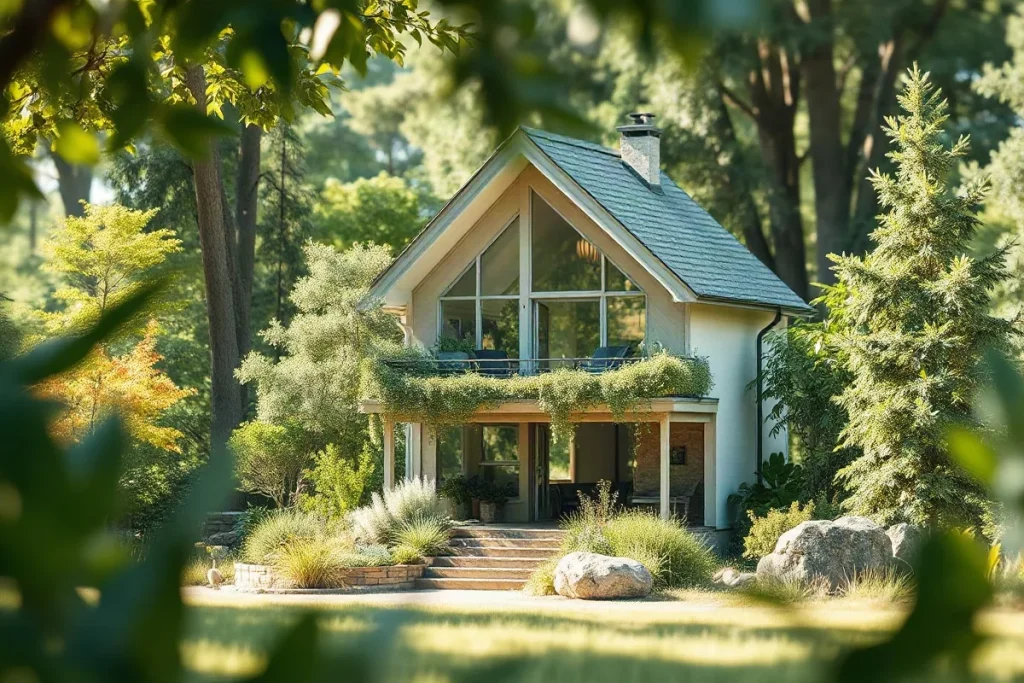
As the world increasingly confronts the realities of climate change, eco-conscious homebuyers are redefining what it means to invest in property. In 2026, the rising demand for sustainable mortgages reflects a significant shift in consumer priorities, as individuals prioritize environmentally-friendly options that align with their values. These mortgages not only provide a pathway to homeownership but also promote energy-efficient living and reduced carbon footprints.
With financial institutions responding to this trend, more sustainable mortgage products are emerging, designed to incentivize green building practices and renovations. This evolution in the mortgage landscape signals a broader commitment to sustainability, appealing not just to the environmentally aware but also to those seeking long-term financial benefits. As the market evolves, understanding the implications of sustainable mortgages becomes essential for both buyers and lenders alike.
Understanding Sustainable Mortgages
Sustainable mortgages represent a progressive shift in the lending landscape, catering specifically to eco-conscious homebuyers. These financial products are designed to finance homes that meet certain environmental standards, often including energy efficiency, sustainable building materials, and renewable energy sources. At their core, sustainable mortgages encourage the purchase of properties that align with broader sustainability goals, such as reducing carbon footprints and lowering energy consumption. Features of these mortgages can include preferential interest rates, lower fees, and incentives for homebuyers who invest in green technologies for their homes.
In contrast to traditional mortgage options, sustainable mortgages provide unique advantages that reflect an increasing awareness of environmental responsibility. Traditional mortgages generally do not account for the ecological impact of the properties being financed, whereas sustainable mortgages specifically target homes that exhibit green features. This differentiation can lead to more favorable terms for borrowers, as lenders recognize the reduced risk associated with properties that have lower operational costs and potentially higher resale values. By investing in energy-efficient homes, buyers may also enjoy decreased utility expenses, making sustainable mortgages an attractive option for long-term financial planning.
The benefits of sustainable mortgages extend beyond the borrower. Lenders are increasingly incentivized to offer these products due to the lower default risk associated with well-designed eco-friendly homes. Properties equipped with energy-efficient systems often require less maintenance and incur lower operating costs, which can lead to more stable financial performance for both the homeowner and the lender. Furthermore, as sustainability becomes a significant expectation among consumers, lenders who embrace green mortgage initiatives enhance their marketability and align themselves with a growing demographic of eco-conscious buyers.
Ultimately, the rise in demand for sustainable mortgages in 2026 underscores a critical evolution in the real estate market, reflecting a collective commitment to environmental stewardship and responsible investing. By fostering the growth of eco-friendly homes, both borrowers and lenders can contribute to a more sustainable future while benefiting from financial incentives and reduced risks.
The Surge in Eco-Conscious Homebuyers
In 2026, the surge in eco-conscious homebuyers is reshaping the real estate landscape, reflecting a significant shift in consumer preferences towards sustainable living. Statistics reveal a remarkable increase in interest for eco-friendly homes, with sales of green-certified properties soaring by over 30% compared to previous years. This growing demand is largely attributed to innovative green mortgage programs that offer favorable terms for buyers of sustainable homes. Lenders are increasingly recognizing the lower default risks associated with these properties, which often feature reduced operating costs and increased energy efficiency. This financial incentive has made sustainable investments not only an ethical choice but a financially savvy one.
The demographics of eco-conscious homebuyers are equally telling. Younger generations, particularly Millennials and Gen Z, are leading the charge, prioritizing sustainability in their purchasing decisions. A recent survey indicates that nearly 75% of homebuyers aged 18-35 consider eco-friendly features essential in their property search. These buyers are not only looking for energy-efficient appliances and smart home technologies, but they also seek to align their living environments with their values, which increasingly include a commitment to environmental stewardship. This demographic shift has prompted builders and developers to integrate sustainable practices into their projects, ensuring that new homes meet the expectations of this eco-aware audience.
The role of heightened environmental awareness cannot be overstated in this evolving market. As climate change concerns intensify, more individuals are seeking ways to mitigate their carbon footprints. This awareness is reflected in their home-buying choices, with many opting for properties that incorporate renewable energy sources, sustainable materials, and high-performance insulation. The trend extends beyond mere aesthetics; many homebuyers are now actively researching the long-term benefits of sustainable living, including potential savings on utility bills and the positive environmental impact of their investments.
In summary, the rise in eco-conscious homebuyers in 2026 marks a pivotal moment in the housing market, driven by a blend of financial incentives, shifting demographics, and increasing environmental awareness. As the demand for sustainable mortgages continues to grow, it is clear that the future of home buying is intertwined with a commitment to sustainability.
Green Mortgage Programs: Incentives and Benefits
As the demand for sustainable mortgages continues to rise in 2026, an increasing number of lenders are offering green mortgage programs designed to incentivize eco-conscious homebuyers. These specialized financing options not only promote environmentally friendly building practices but also align with broader sustainability goals that resonate with today’s consumers. The integration of green features in properties, such as energy-efficient systems and sustainable materials, is becoming a significant factor in the homebuying decision process.
One of the standout features of many green mortgage programs is the preferential rates available for passive-certified properties. Passive houses, designed to minimize energy consumption while maximizing comfort, are increasingly recognized for their potential to lower utility costs significantly. Lenders are drawn to these properties due to their reduced default risk; homes that are energy-efficient often come with lower operating costs, making them more financially viable for homeowners. As a result, eco-conscious buyers can access lower interest rates, which can lead to substantial savings over the life of the mortgage. This shift not only supports individual financial health but also encourages a more sustainable housing market.
In addition to lower interest rates, green mortgage programs offer long-term financial benefits that extend beyond the initial purchase. Homebuyers who invest in energy-efficient properties can expect reduced operational costs due to lower energy bills and maintenance expenses. Many of these homes come equipped with advanced technologies, such as smart thermostats and efficient appliances, which further enhance energy savings. By lowering monthly expenses, homeowners can allocate more resources toward savings or investments, promoting greater financial stability.
Furthermore, many lenders are incorporating additional incentives into their green mortgage offerings. These may include grants for energy-efficient upgrades, tax credits, or even reduced closing costs. The cumulative effect of these incentives is not only to enhance the appeal of green mortgages but also to foster a culture of sustainability that benefits the entire community. As eco-conscious homebuyers increasingly seek out properties that align with their values, the growth of green mortgage programs is poised to reshape the landscape of home financing in 2026 and beyond.
The Impact of Sustainability on Property Values
The increasing emphasis on sustainability is significantly shaping property values in 2026. Eco-friendly features such as energy-efficient appliances, smart home systems, and sustainable building materials are no longer merely attractive add-ons; they have become essential considerations for modern homebuyers. Properties equipped with these features tend to command higher prices and experience quicker sales, reflecting the rising demand for sustainable living options. Buyers today are not only looking for homes that meet their lifestyle needs but are also increasingly aware of the long-term financial benefits associated with energy efficiency and reduced operating costs.
Market trends indicate that the demand for sustainable properties is surging, driven by a growing cohort of eco-conscious consumers. This shift is supported by green mortgage programs that offer favorable financing options for homes that meet specific environmental standards. Such initiatives are appealing to buyers who prioritize sustainability, as they often lead to lower monthly utility bills and a reduced carbon footprint. As a result, homes with sustainability certifications or features are increasingly seen as investments that promise both environmental and financial returns.
Moreover, there is a noteworthy correlation between sustainable properties and lower default risks. Lenders are recognizing that homes with eco-friendly attributes tend to have more stable market values, as they attract a dedicated segment of buyers who are willing to invest in sustainability. This has prompted financial institutions to adopt more favorable lending practices for such properties, including lower interest rates and relaxed qualification requirements. The logic is straightforward: properties that operate at lower costs and appeal to a growing demographic of environmentally conscious buyers are less likely to face depreciation or foreclosure.
In conclusion, the interplay between sustainability and property values in 2026 underscores a significant shift in the real estate market. As eco-friendly features become integral to property desirability, the financial landscape is adapting to support this change, with lenders and buyers alike recognizing the value of investing in sustainable homes. This evolution not only aligns with broader environmental objectives but also presents a compelling case for the long-term viability of sustainable real estate investments.
Technological Advancements and Eco-Friendly Features
In 2026, the demand for sustainable mortgages is not only reshaping financial practices but also influencing the features that eco-conscious homebuyers seek in their properties. As sustainability becomes an essential criterion for modern living, homebuyers are increasingly prioritizing energy-efficient and environmentally friendly features. Popular among these are passive solar designs, high-quality insulation, and advanced energy-efficient windows that significantly reduce heating and cooling costs. Such features not only align with personal values but also enhance the long-term viability of homes in an economy that favors sustainability.
Technology plays a crucial role in elevating energy efficiency in homes. Smart home integrations have become a major selling point for eco-conscious consumers, making it easier than ever to manage energy use. Devices such as smart thermostats allow homeowners to optimize heating and cooling schedules based on their lifestyle, thus minimizing energy waste. Additionally, energy-efficient lighting systems, such as LED bulbs, coupled with smart controls, enable users to monitor and manage their energy consumption in real-time. These advancements not only contribute to a smaller carbon footprint but also provide homeowners with significant cost savings on utility bills.
Moreover, the rise of connected appliances, such as smart refrigerators and washing machines, adds another layer of appeal for homebuyers focused on sustainability. These appliances are designed to use resources more efficiently, often featuring eco-friendly modes that further reduce their environmental impact. Homebuyers in 2026 are looking for homes that not only meet their aesthetic and functional needs but also support their commitment to a sustainable lifestyle. As a result, builders and developers are increasingly focusing on integrating these technologies into new constructions, making them a standard rather than an optional feature.
In summary, the convergence of technological advancements and eco-friendly features is redefining the landscape of homebuying in 2026. As more consumers seek out properties that reflect their values, the importance of sustainability in home design and technology continues to grow, paving the way for a more responsible and efficient housing market.
Challenges Facing the Sustainable Mortgage Market
The sustainable mortgage market in 2026 is facing a variety of challenges that could hinder its growth despite the rising interest from eco-conscious homebuyers. One of the primary barriers is the limited accessibility of sustainable mortgage options. Many traditional lenders still lack awareness or understanding of sustainable properties, which can lead to a reluctance to offer financing for these homes. This issue is exacerbated by the varying definitions of what constitutes a “sustainable” home, which can create confusion for both lenders and buyers. Consequently, potential homeowners may find themselves navigating a complex landscape where eco-friendly properties are not adequately recognized or supported by financing institutions.
Regulatory frameworks also play a significant role in shaping the sustainable mortgage market. In 2026, there is a growing call for clearer guidelines and regulations that define sustainable building practices and energy efficiency standards. However, the pace of regulatory change often lags behind the market demand. This disconnect can leave both lenders and borrowers unsure about the legal implications of green financing options. Furthermore, inconsistent policies across different regions can make it difficult for mortgage providers to implement sustainable lending practices uniformly, leading to disparities in availability and terms of green mortgage products.
Additionally, misconceptions about sustainable properties continue to pose challenges. Many potential buyers still associate eco-friendly homes with higher upfront costs, despite evidence suggesting that sustainable features can lead to significant long-term savings through lower utility bills and reduced maintenance expenses. This prevailing myth can deter buyers from considering sustainable options, even when the financial benefits are clearly outlined. As awareness grows regarding the tangible advantages of sustainable living, it will be essential for stakeholders in the mortgage market to address these misconceptions actively.
In summary, while the demand for sustainable mortgages is on the rise, overcoming barriers such as limited access, regulatory hurdles, and misconceptions about the value of sustainable properties will be crucial for the market’s success in 2026. Addressing these challenges effectively can pave the way for a more robust and accessible sustainable mortgage landscape, benefiting both lenders and eco-conscious homebuyers alike.
Future Outlook for Sustainable Mortgages
As we look beyond 2026, the sustainable mortgage market is poised for significant evolution, driven by a combination of changing consumer preferences, advancements in technology, and a growing emphasis on environmental responsibility within the housing industry. Homebuyers increasingly demand properties that are not only energy-efficient but also equipped with smart technologies that further enhance sustainability. This trend suggests a shift in consumer expectations where eco-friendly features are no longer optional but essential criteria in property selection.
Lenders are likely to adapt their policies to meet this rising demand. The introduction of green mortgage programs has already incentivized buyers to invest in sustainable properties, offering favorable terms for homes that meet specific environmental standards. As awareness of climate change intensifies, it is expected that more financial institutions will develop tailored products that reward energy-efficient upgrades. This could include lower interest rates for homes boasting certifications like LEED or Energy Star. Furthermore, lenders may implement more rigorous assessments of a property’s sustainability features as part of the mortgage approval process, reinforcing the link between financing and environmental responsibility.
In tandem with these developments, broader sustainability trends are anticipated to reshape the housing industry itself. The integration of eco-friendly building materials and construction practices is expected to become increasingly prevalent. As the demand for passive homes and energy-efficient designs grows, developers will likely prioritize sustainable practices to attract eco-conscious buyers. This shift could lead to a more diverse range of housing options, where affordability meets sustainability, thereby appealing to a wider demographic.
Ultimately, the future of the sustainable mortgage market appears bright, with potential for significant growth and transformation. Key trends to watch include:
- Increased collaboration between lenders and green certification organizations to streamline mortgage processes for sustainable homes.
- Greater emphasis on technological innovations that improve energy efficiency and sustainability in homes.
- A rise in government incentives and policies aimed at promoting green building practices within the housing sector.
- Heightened consumer advocacy for transparency in the environmental impacts of housing developments.
As the financial landscape evolves, the intersection of sustainability and home financing is set to redefine the standards of homeownership, making eco-friendly living not just a preference but a fundamental aspect of the future housing market.
Case Studies: Success Stories in Sustainable Homeownership
The rise in sustainable mortgages has opened doors for numerous homeowners seeking eco-friendly living options. One exemplary case is the Johnson family, who purchased a passive house in a suburban area of Denver, Colorado. By selecting a property with passive certification, they not only benefitted from a significant reduction in energy bills but also secured a green mortgage with a lower interest rate. This financial advantage, combined with decreased operating costs from energy-efficient features, allowed them to invest further in home upgrades, making their living environment even more sustainable. Their experience highlights how eco-conscious choices can lead to substantial long-term savings while promoting a commitment to the environment.
Another noteworthy success story comes from a couple in Portland, Oregon, who leveraged a sustainable mortgage to finance the renovation of an older home. By incorporating solar panels, energy-efficient windows, and smart home technology, they transformed their property into an eco-friendly haven. Their lender, recognizing the value of these improvements, offered a green mortgage that featured preferential rates due to the reduced risk of default associated with energy-efficient homes. This collaboration between homeowners and lenders not only fostered a successful project but also demonstrated the growing recognition of sustainable practices in the financing landscape.
Insights from lenders embracing green financing reveal a strong commitment to supporting sustainable homeownership. Many financial institutions are now prioritizing loans for energy-efficient properties, recognizing that these homes tend to have lower default rates due to their reduced operating costs. This trend is fueled by the increasing demand for eco-friendly homes among buyers, who are now looking for features such as smart thermostats and efficient lighting as essential criteria in their purchasing decisions. Lenders are adapting their offerings to meet this demand, which not only strengthens their portfolios but also aligns with broader environmental sustainability goals.
The lessons learned from these successful sustainable property projects underscore the importance of collaboration between homeowners and lenders. By prioritizing eco-friendly upgrades and seeking out green financing options, homeowners can significantly enhance their living spaces while contributing to a more sustainable future. As the demand for sustainable mortgages continues to rise in 2026, it is evident that the intersection of homeownership and environmental responsibility will play a crucial role in shaping the real estate landscape.
Frequently asked questions
What are sustainable mortgages?
Why is there a rising demand for sustainable mortgages?
How do sustainable homes affect property values?
What challenges exist in the sustainable mortgage market?
What can we expect in the future for sustainable mortgages?
Key takeaways
- Sustainable mortgages are gaining traction among eco-conscious buyers in 2026.
- Green mortgage programs offer significant financial incentives.
- Sustainability is becoming a key factor in property valuation.
- Technological advancements enhance the appeal of eco-friendly homes.
- The market faces challenges, but the future looks bright for sustainable financing.
Sources
strategicmarketresearch.com, avidxchange.com, about.bankofamerica.com, nar.realtor, J.P. Morgan Global Research

Topic guide: Analysis: The Complete Guide