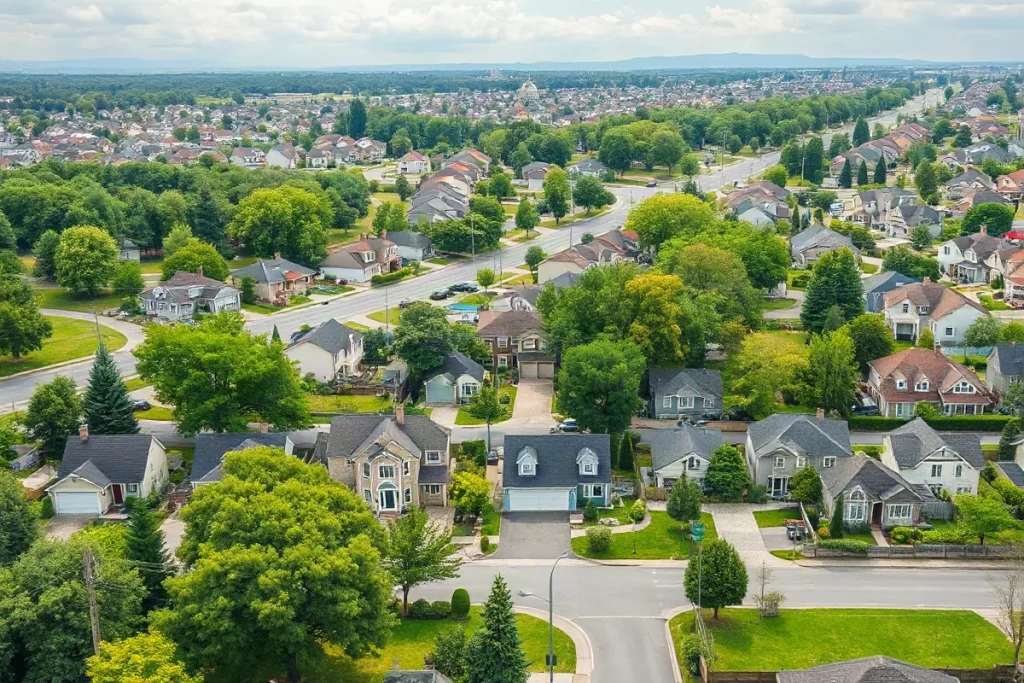
The rise of remote work has fundamentally reshaped the landscape of urban housing markets, and new research sheds light on the profound effects this trend has had in 2026. As companies continue to embrace flexible work arrangements, many employees are reevaluating their living situations, leading to significant shifts in demand for urban properties. This phenomenon raises critical questions about the future of city living and the evolving dynamics of real estate investment.
In the wake of this transformation, urban housing markets are experiencing changes in pricing, availability, and even the types of amenities that are desirable. The emergence of remote work trends has prompted a migration away from densely populated areas, as individuals seek larger spaces and more affordable options outside the urban core. Understanding these developments is essential for investors, homeowners, and urban planners looking to navigate the complexities of a post-pandemic housing landscape.
Understanding Remote Work Trends
The rise of remote work has become a defining characteristic of the modern workforce, significantly altering residential preferences and housing markets across the United States. As of 2026, approximately one-third of American workers who can work from home are doing so full-time, a stark increase from pre-pandemic levels. This shift has been driven by a combination of technological advancements that facilitate remote collaboration, an increased emphasis on flexibility, and a growing desire for improved work-life balance. Workers are now empowered to choose where they live, leading to a notable trend of urban-to-suburban migration.
Several factors contribute to the sustained popularity of remote work beyond the initial pandemic response. The technology sector has made substantial strides, providing tools and platforms that support efficient remote communication and productivity. Flexibility in work schedules allows employees to tailor their work hours to fit personal commitments, enhancing their overall quality of life. Furthermore, the pursuit of work-life balance has prompted many to seek environments that are less stressful and more conducive to both professional and personal fulfillment, often found in suburban or exurban settings.
The demographic profile of remote workers is diverse, encompassing various age groups, income levels, and job sectors. However, a common thread among this population is a preference for homes in areas that offer both affordability and accessibility to amenities. Many remote workers are prioritizing properties with dedicated workspaces, outdoor areas, and proximity to recreational facilities. This evolving landscape has significant implications for real estate markets, as demand surges for residential properties outside traditional urban centers, leading to price increases in these regions while urban property values face downward pressure.
As cities adapt to these changes, the urban housing market is witnessing a recalibration. Key trends include:
- Increased demand for suburban housing, with rising prices and rents in these areas.
- Decreased demand for urban office spaces, as companies reassess their real estate needs.
- A growing interest in smaller metropolitan statistical areas, particularly in the South and West, as potential new hubs for remote workers.
As remote work continues to shape the dynamics of housing markets, it is clear that urban settlement patterns are undergoing a long-term transformation, with lasting effects on how and where people choose to live and work.
Migration Patterns: Urban to Suburban
The urban-to-suburban migration trend has gained remarkable momentum since 2020, significantly reshaping housing markets across the United States. As remote work became a viable option for many employees, the need to be physically present in urban centers diminished, enabling households to seek more spacious and affordable living conditions outside city boundaries. This shift has led to increased demand for suburban and exurban properties, resulting in rising home prices and rents in these areas while urban property values have seen a decline.
Regions experiencing the most pronounced migrations include the South and West, where smaller metropolitan statistical areas (MSAs) have become attractive alternatives to larger coastal cities like New York City and San Francisco. Cities such as Austin, Nashville, and Phoenix have witnessed substantial inflows of new residents, drawn by the allure of lower living costs, improved quality of life, and the flexibility offered by remote work. This migration has also been characterized by a demographic shift; families seeking more space, young professionals attracted to vibrant suburban communities, and retirees looking for a quieter lifestyle are all contributing to this evolving landscape.
The comparative analysis of demographic shifts reveals key differences between urban and suburban areas. Urban centers, once bustling hubs of activity, are now contending with a reduced population density and a growing vacancy rate in both residential and commercial properties. Conversely, suburban regions are experiencing an influx of new residents, leading to a diversification of the demographic profile. Suburbs are becoming more than just bedroom communities; they are evolving into vibrant areas with their own cultural and economic opportunities.
As this migration trend continues, the long-term implications for urban settlement patterns are significant. The revaluation of real estate prices is indicative of a broader expectation that demand for suburban housing will remain strong. This shift not only alters the dynamics of the housing market but also raises questions about the future of urban infrastructure, public services, and community engagement as populations redistribute between urban and suburban areas.
In summary, the impact of remote work on migration patterns is reshaping American housing markets, with suburban areas emerging as new centers of growth and opportunity.
Impact on Urban Housing Markets
The remote work trend has significantly influenced urban housing markets, leading to a notable decline in property prices within city centers. As many workers have opted to leave urban environments in favor of suburban or exurban areas, this shift has resulted in a decrease in demand for urban real estate. Major metropolitan areas, particularly those on the coasts like New York City and San Francisco, have experienced pronounced drops in property values as households seek more affordable housing options and larger living spaces in less densely populated regions. Consequently, urban housing prices have not only softened but have also prompted a reevaluation of the long-term desirability of city living.
The changing preferences of renters and homebuyers are reshaping the dynamics of urban rental markets. As people gravitate toward suburban living, the demand for rental properties in city centers has diminished. This evolving landscape has led landlords to reconsider their pricing strategies and property offerings. Many are now compelled to provide incentives, such as reduced rents or flexible lease terms, to attract tenants who may have previously been drawn to urban living. The trend suggests that urban rental markets will continue to face challenges as the allure of suburban amenities, larger homes, and outdoor spaces remains strong.
Several factors contribute to the devaluation of urban real estate in the current environment. Firstly, the rise in remote work has liberated employees from the constraints of daily commuting, allowing them to prioritize lifestyle preferences over proximity to their workplaces. Additionally, the pandemic has highlighted the importance of personal space and home offices, prompting many families to seek residences that better accommodate their new work-from-home arrangements. Furthermore, the increasing availability of affordable housing in suburban areas has made it even more appealing for families to relocate outside of urban centers.
In light of these developments, it is crucial for investors and policymakers to closely monitor the evolving landscape of urban housing markets. Understanding the implications of remote work on real estate values will be vital in making informed decisions moving forward. The long-term effects of this trend may very well lead to a reconfiguration of urban settlements that will redefine city living for years to come.
Soaring Suburban Housing Prices
The surge in suburban housing prices has become a striking consequence of the ongoing remote work trend, fundamentally altering the landscape of American real estate. As more employees embrace flexible work arrangements, many are opting to leave urban centers for suburban or even exurban locales. This shift is not merely a fleeting reaction to the pandemic; it reflects profound lifestyle changes and a reevaluation of priorities among homebuyers. The result has been an unprecedented increase in housing prices and rents in these less densely populated areas, while urban property values have generally declined.
One of the primary drivers of this migration is affordability. Many families and individuals are seeking more spacious homes at lower costs compared to urban settings, where prices have traditionally soared. Suburban properties often come with larger living spaces and yards, ideal for those who value outdoor areas and distance from crowded urban environments. This demand for suburban housing has led to a notable narrowing of the price gap between urban and suburban homes, with real estate markets anticipating a sustained rise in demand for these properties in the years to come.
Moreover, urban amenities still play a crucial role in attracting suburban buyers. While many are leaving the hustle and bustle of city life, they still desire access to essential services and recreational opportunities that urban settings offer. This has prompted suburban areas to enhance their amenities, such as parks, restaurants, and cultural attractions, making them more enticing for prospective buyers. Communities that effectively blend suburban tranquility with urban conveniences are particularly well-positioned to capitalize on this evolving market.
In summary, the shift toward suburban living spurred by remote work is reshaping housing dynamics across the country. As buyers continue to prioritize affordability and lifestyle changes, suburban communities are experiencing a boom, leading to soaring housing prices and rents. This trend signifies a broader transformation in how and where people choose to live, with lasting implications for the future of urban and suburban real estate.
Changing Real Estate Dynamics
The dynamics of the real estate market are undergoing a significant transformation as a direct result of the remote work trend that has gained momentum in recent years. With many companies adopting flexible work arrangements, employees have found themselves liberated from the constraints of commuting, leading to a notable urban-to-suburban migration. This shift has caused a pronounced decrease in demand for commercial office spaces in urban areas. As businesses reassess their real estate needs, many are downsizing or even vacating office properties altogether, contributing to a softened demand for urban commercial real estate.
Simultaneously, the residential real estate market is responding to these changes with increased activity in suburban and exurban locations. Homebuyers are increasingly seeking out properties that offer more space, affordability, and a better quality of life, often moving away from densely populated urban centers. As a result, suburban housing prices and rents have experienced a notable uptick, while urban property values have faced downward pressure. This trend has led to a reevaluation of housing demand in metropolitan areas, as people prioritize comfort and convenience over proximity to traditional urban amenities.
Looking ahead, the long-term implications of these shifts on real estate valuations are becoming clearer. Urban areas that once commanded premium prices may see a more stable market, albeit at lower valuations than before, while suburban regions are likely to experience continued appreciation. The anticipated rise in demand for suburban and exurban housing suggests that the gap between home prices in urban centers and their surrounding suburbs is narrowing. As remote work becomes a permanent fixture for many, the landscape of urban settlement patterns is likely to be reshaped for years to come, leading to a redefined balance between urban and suburban living.
In summary, the changing dynamics of real estate driven by remote work are characterized by the following trends:
- Decreased demand for urban office spaces as companies adapt to remote work models.
- Increased interest in suburban properties, leading to rising prices and rents in those markets.
- A potential long-term stabilization of urban property values, with suburban areas becoming more attractive for homebuyers.
This evolving landscape presents both challenges and opportunities for investors and homeowners alike in navigating the future of real estate.
Future Trends in Housing and Urban Development
As we look ahead to the next five years, the stability of housing markets will largely hinge on the continued acceptance of remote work as a permanent arrangement for many industries. The trend of urban-to-suburban migration, which gained momentum during the pandemic, appears to be solidifying, with suburban and exurban housing prices rising while urban property values are experiencing a notable decline. This shift is not merely a temporary reaction to changing work patterns but is reshaping long-term settlement dynamics across the United States.
Urban areas that once thrived on high-density living are now faced with the challenge of revitalization as remote work stabilizes. The demand for housing that includes more space, both indoors and outdoors, is driving changes in urban planning and development. Cities may need to adapt by repurposing underutilized commercial spaces into residential units, creating mixed-use developments that cater to remote workers seeking amenities that blend work and leisure. This trend could breathe new life into struggling downtown areas, transforming them into vibrant communities that offer a better quality of life.
Urban planners are increasingly aware of the evolving needs of residents in this new landscape. They are re-evaluating zoning laws to facilitate the development of more affordable housing options in urban settings, while also considering infrastructure improvements that support remote work lifestyles, such as reliable internet access and public transportation that accommodates fewer commuters. Flexible workspaces, parks, and recreational areas are also becoming central to urban planning discussions as cities look to attract residents who are now more discerning about their living environments.
In summary, the next five years will likely see a significant realignment in housing markets as remote work continues to influence where people choose to live. This transformation presents opportunities for urban revitalization and necessitates adaptive strategies from urban planners. As cities evolve to meet the demands of a remote-first workforce, the implications for property values and community dynamics will be profound, shaping the future of urban living in 2026 and beyond.
Policy Considerations
The ongoing trends in remote work have brought to light significant challenges and opportunities for housing markets, particularly in suburban and urban areas. To address the affordability crisis in suburban regions, policymakers must consider a range of innovative strategies. One effective approach could involve incentivizing the development of affordable housing units through tax credits or grants for builders who meet certain affordability benchmarks. Additionally, zoning reforms may be necessary to facilitate higher-density housing projects that can accommodate the growing demand without exacerbating price inflation.
Urban centers, meanwhile, are facing the dual challenge of declining property values and reduced demand for commercial office spaces. To revitalize these areas, local governments could implement policies aimed at transforming vacant commercial properties into mixed-use developments that incorporate residential units. This would not only boost urban housing supply but also create vibrant community spaces that attract residents back into city centers. Moreover, enhancing public transportation options and investing in urban infrastructure can significantly improve accessibility, making these areas more appealing to both remote workers and those returning to the office.
Government incentives play a crucial role in shaping housing markets in this evolving landscape. For instance, programs that offer down payment assistance to first-time homebuyers can help mitigate the barriers that many face in entering the housing market, particularly in suburban areas where prices have surged. Additionally, promoting remote work-friendly policies, such as tax breaks for companies that allow flexible working arrangements, could encourage a more balanced distribution of housing demand between urban and suburban areas.
In summary, addressing the impact of remote work on housing markets requires a comprehensive approach that includes enhancing affordability in suburban regions, revitalizing urban centers, and leveraging government incentives. By implementing these policies, stakeholders can help stabilize housing markets and foster sustainable growth that meets the needs of a changing workforce.
Case Studies: Cities Adapting to Change
As cities navigate the ongoing shifts brought on by remote work, several urban areas are setting examples of adaptability and resilience. Cities like Austin, Texas, and Nashville, Tennessee, have embraced remote work trends and experienced significant transformations in their housing markets. Austin, in particular, has seen an influx of tech workers relocating from larger metropolitan regions, driving a surge in demand for housing that blends urban amenities with suburban space. This combination has elevated property values across neighborhoods such as South Congress and the Domain, which have become attractive to remote workers seeking both lifestyle and affordability.
Conversely, some urban neighborhoods have struggled to maintain their appeal during this transition. Areas that heavily relied on in-person industries, such as hospitality and retail, have faced declining demand, leading to stagnating or even decreasing property values. For instance, parts of San Francisco have experienced a notable drop in rental prices as remote work policies encouraged residents to move to more affordable suburban settings. Neighborhoods that once thrived on the vibrancy of foot traffic and office workers are now grappling with vacancies and a shift in their demographic makeup.
Through these case studies, several lessons emerge for metropolitan statistical areas (MSAs) looking to adapt to the new realities of work and living arrangements. First, flexibility in zoning and land use can facilitate the development of mixed-use properties, catering to both residential needs and commercial services. Secondly, investing in infrastructure that supports remote work—such as high-speed internet access and co-working spaces—can enhance the attractiveness of suburban and exurban areas. Lastly, understanding the shifting preferences of homebuyers is crucial; many now prioritize proximity to green spaces and community-oriented amenities, which can guide future urban planning efforts.
In summary, as remote work continues to influence housing markets, cities that proactively respond to these changes can thrive, while those that do not may find themselves facing significant challenges. The evolving landscape of urban living underscores the necessity for adaptable policies and innovative approaches in real estate development to meet the demands of a new workforce.
Frequently asked questions
How has remote work affected property values in urban areas?
Are suburban housing markets sustainable with the rise of remote work?
What long-term effects can we expect on urban settlements?
Key takeaways
- Remote work is driving significant migration from urban centers to suburbs.
- Suburban housing prices are rising due to increased demand for space and affordability.
- Urban housing markets are seeing a decline in property values as remote work persists.
Sources
nber.org, Penn IUR, ILSURJ, census.gov, eig.org

Topic guide: Analysis: The Complete Guide