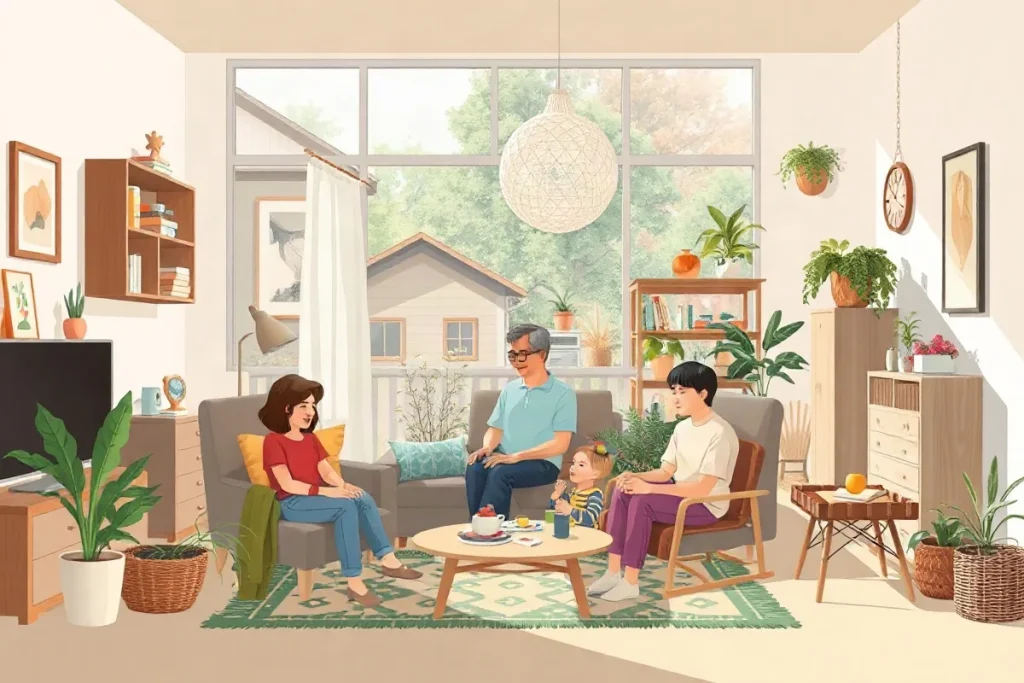
As the real estate market continues to evolve in 2026, a recent survey has unveiled a notable shift in homebuyer preferences towards multi-generational living spaces. This trend reflects changing family dynamics and economic considerations, as more buyers seek homes that can accommodate multiple generations under one roof. The desire for shared spaces, combined with the need for privacy, has created a new paradigm in home design and functionality.
With rising property prices and a growing emphasis on family unity, multi-generational living is not just a trend; it’s becoming a necessity for many. Homebuyers are increasingly prioritizing features that support this lifestyle, such as separate entrances, multiple living areas, and adaptable layouts. Understanding this shift is crucial for real estate professionals and developers aiming to meet the demands of the modern market.
Understanding the Shift in Homebuyer Preferences
The trend towards multigenerational living has gained notable traction in recent years, reshaping the landscape of homebuyer preferences. As families increasingly seek to consolidate resources and provide support for one another, the demand for homes that can accommodate multiple generations is on the rise. This shift is particularly evident among Generation X, who are leading the charge in purchasing properties designed or adapted for multigenerational living. In 2026, a significant proportion of homebuyers—36%—cited cost savings as a primary motivation for this choice, highlighting the financial advantages of sharing living spaces.
Several economic factors are driving this growing preference for multigenerational homes. The rising costs of housing and the overall economic climate have made it challenging for many families to maintain separate households. As home prices continue to surge, many buyers are recognizing the benefits of pooling resources, which not only helps alleviate financial strain but also fosters deeper familial connections. The pandemic has further accelerated this trend, as many families found themselves reevaluating their living situations and prioritizing communal living arrangements for emotional and financial support.
Demographic changes also play a pivotal role in shaping homebuying behaviors. Younger adults, particularly those in the 25 to 39 age range, are increasingly opting for multigenerational living arrangements. This demographic shift is not only about practicality; it also reflects changing cultural norms that emphasize family bonds and support systems. Additionally, older generations, including Baby Boomers, are becoming more likely to live in multigenerational households, often seeking the companionship and assistance of family members as they age. The interplay of these demographic factors creates a diverse market for homes that cater to various family structures, solidifying the trend of multigenerational living as a prominent feature of the contemporary housing market.
In summary, the increasing preference for multigenerational living spaces is a multifaceted phenomenon driven by economic realities and evolving societal norms. As homebuyers navigate the complexities of housing costs and family dynamics, the demand for properties that can accommodate multiple generations is expected to continue its upward trajectory.
Who is Leading the Trend?
As the trend toward multigenerational living gains momentum, Generation X emerges as the primary demographic leading this shift. With economic factors and the desire for familial support driving their choices, 21% of Gen X buyers, aged 45 to 59, have recently purchased homes designed to accommodate multiple generations. This reflects a significant embrace of shared living arrangements, which many in this age group see as a strategic response to rising housing costs and the need for greater social connectivity within families.
In contrast, younger Boomers (ages 60 to 69) and older Millennials (ages 35 to 44) are also part of this evolving landscape, albeit in smaller percentages. According to recent surveys, 15% of younger Boomers and 12% of older Millennials have opted for multigenerational homes. While these figures indicate a lesser inclination compared to their Gen X counterparts, they still represent a noteworthy shift in preferences that can no longer be overlooked. The appeal of multigenerational living is not limited to economic benefits; it also fosters closer family ties and caregiving arrangements that resonate across generations.
The statistics reveal that the multigenerational home trend is not a fleeting phenomenon. A substantial 66% of those residing in such households cite the economic climate as a significant factor influencing their living arrangements. This underscores the broader implications of the current housing market and economic conditions, which have led many families to reconsider their living situations. The rise in multigenerational homes is indicative of a larger cultural shift towards collaborative living, where financial and emotional support systems are intertwined.
As this trend continues to evolve, it will be crucial for developers and real estate professionals to adapt to these changing preferences. The growing demand for homes that cater to multiple generations presents a unique opportunity for innovation in housing design and community planning, reflecting the realities of modern family dynamics. By understanding the motivations of each demographic group, stakeholders can better position themselves to meet the needs of today’s homebuyers, ensuring that multigenerational living spaces become a staple in the housing market.
Cost Savings: A Major Motivator
As the housing market continues to evolve, a significant trend has emerged: the increasing appeal of multigenerational living spaces. A recent survey indicates that a substantial number of homebuyers are motivated by the potential for cost savings associated with this lifestyle choice. In fact, 36% of buyers in 2026 cited cost savings as a primary reason for their interest in purchasing homes that accommodate multiple generations. This financial advantage is particularly attractive in a climate where rising property prices and living expenses are concerning many potential homeowners.
One of the most prominent benefits of multigenerational living is the ability to share expenses among family members. By pooling resources, families can significantly reduce their individual financial burdens. Shared costs such as mortgage payments, utilities, and maintenance expenses can lead to considerable savings, making homeownership more accessible. Additionally, families can benefit from economies of scale when purchasing groceries and household items together, further enhancing their financial flexibility. For many buyers, this collaborative approach not only eases the financial strain but also fosters a sense of community and support among family members.
Moreover, the financial implications of multigenerational living extend beyond mere cost-sharing. Many families find that they can afford larger or more desirable properties by combining their purchasing power. This enables them to invest in homes that might have previously seemed out of reach. The trend reflects a broader shift in homebuyer preferences, particularly among younger generations who are increasingly prioritizing affordability and practicality in their housing choices.
The survey results underscore this growing inclination: 66% of individuals living in multigenerational households reported that the current economic climate influenced their decision to cohabitate. This statistic highlights how financial considerations are reshaping the landscape of homebuying in 2026. As economic pressures continue to mount, it is likely that more families will explore the advantages of multigenerational living, not only as a means of enhancing their living arrangements but also as a strategic approach to navigating the complexities of the housing market.
In summary, the trend towards multigenerational homes is propelled by the desire for cost savings and the practical benefits of shared living arrangements. As families adapt to changing economic conditions, the appeal of these living spaces is expected to grow, reflecting a significant shift in homebuyer attitudes and priorities.
The Role of Economic Climate in Housing Choices
The economic climate plays a pivotal role in shaping housing choices, particularly in the context of multigenerational living arrangements. As financial pressures mount and housing affordability becomes increasingly challenging, many households are opting to cohabitate with multiple generations. This trend is not merely a reflection of changing family dynamics but also a strategic response to economic realities. In 2026, a survey revealed that 66% of individuals residing in multigenerational households cited economic factors as a significant influence in their decision-making. This statistic underscores the importance of financial considerations in today’s housing market.
The COVID-19 pandemic has further accelerated this shift towards multigenerational living. As families experienced job losses, reduced income, and uncertainties about the future, many sought ways to share resources and provide mutual support. The pandemic highlighted the importance of familial connections, leading to a renewed interest in living arrangements that facilitate close-knit family dynamics. Consequently, multigenerational homes have gained popularity, particularly among younger adults and Generation X, who are increasingly leading this trend. In recent years, 21% of Generation X buyers, alongside a growing number of younger Boomers and older Millennials, have chosen to purchase homes that accommodate multiple generations.
This trend reflects the broader implications of economic conditions on personal living choices. The rising costs of housing, coupled with stagnant wages in many sectors, have made it difficult for individuals and families to secure independent living spaces. By moving into multigenerational homes, families can capitalize on shared financial resources, thereby alleviating some of the burdens associated with homeownership. This cooperative approach not only provides economic relief but also fosters closer family ties and support networks, which can be invaluable during challenging times.
As the economic landscape continues to evolve, it is likely that the trend towards multigenerational living will persist. Homebuyers today are increasingly prioritizing flexibility and adaptability in their housing choices, and properties designed to accommodate various family structures are becoming more sought after in the market. This shift signifies a profound change in how families perceive their living arrangements, reflecting both the challenges they face and the innovative solutions they are exploring to navigate the complexities of modern life.
Designing Homes for Multiple Generations
As the trend towards multigenerational living continues to gain traction in 2026, homebuyers are increasingly seeking properties that can accommodate the diverse needs of families spanning multiple generations. This shift has prompted architects and builders to innovate designs that foster both privacy and connection. Key features that are becoming highly sought after include separate entrances, distinct living areas, and flexible spaces that can easily adapt to changing family dynamics. Many families desire a layout that allows for independence while still encouraging interaction, such as shared kitchens and communal living rooms that facilitate bonding.
The demand for multigenerational homes is driven by a variety of factors, including economic considerations and the desire for familial support. Younger adults often return to live with their parents to save on housing costs, while older generations may require assistance with daily activities or prefer the comfort of family companionship. As a result, home designs are evolving to meet these needs. Trends in construction now emphasize accessibility features, such as wider doorways and zero-step entries, making homes more suitable for older individuals or those with mobility challenges.
Insights from industry professionals reveal that adaptability is key when designing these homes. Architects are increasingly focusing on creating spaces that can be reconfigured as families grow or change. For example, a home might include a basement suite or a loft that can serve as a private apartment for a young adult or an elderly relative. Additionally, outdoor spaces are being optimized for shared family use, with features like patios and gardens that encourage gatherings and socialization.
In summary, the multigenerational home design movement is reshaping the housing market in 2026, reflecting a broader societal shift towards collaborative living. As families prioritize togetherness and support, the demand for thoughtfully designed spaces that cater to various age groups will likely continue to rise, making these homes a focal point in modern real estate.
Challenges of Multigenerational Living
The rise of multigenerational living arrangements brings with it a unique set of challenges that families must navigate as they adapt to sharing their homes. While the economic advantages and emotional support of having multiple generations under one roof are appealing, the reality of daily life can sometimes lead to tension. Space management and privacy concerns are paramount, as families must find ways to coexist harmoniously in shared environments.
One of the most significant challenges is ensuring that all family members have adequate personal space. In many cases, multigenerational homes may require creative solutions to provide everyone with a sense of privacy. This could involve designing separate living areas, utilizing basements or attics, or even building extensions to cater to the needs of different generations. Balancing communal areas with private spaces is essential to fostering a comfortable living environment where everyone feels respected and has the opportunity to unwind.
Another pressing issue is the potential for conflicts arising from differing lifestyles and values. For instance, younger adults may have different routines and expectations compared to older generations, leading to misunderstandings and friction. To mitigate these conflicts, open communication is crucial. Families can establish ground rules and boundaries early on, discussing shared responsibilities, noise levels, and privacy expectations. Regular family meetings can also help address any grievances and promote a collaborative atmosphere.
Moreover, fostering positive family dynamics is key to overcoming the challenges of multigenerational living. Encouraging shared activities can strengthen bonds and create a supportive environment. Families might consider designating specific times for joint meals, game nights, or weekend outings. By creating opportunities for connection, family members can develop a deeper understanding of each other’s perspectives and needs, ultimately enhancing their living experience.
In summary, while multigenerational living presents potential challenges, effective communication and thoughtful space management can significantly improve family dynamics. By prioritizing privacy and fostering a spirit of cooperation, families can not only navigate the complexities of shared living but also cultivate lasting relationships that enrich their lives.
Future Outlook for Multigenerational Housing
As we look ahead, the market for multigenerational housing is poised for significant growth and transformation. The shift in homebuyer preferences is not merely a passing trend; it reflects deeper societal changes, such as economic pressures and evolving family dynamics. With a substantial portion of Generation X and younger adults recognizing the benefits of shared living arrangements, including financial savings and enhanced familial support, the demand for properties that can accommodate multiple generations is likely to increase. Predictions indicate that by 2028, multigenerational homes could account for over 25% of new housing developments, driven by both consumer preference and market necessity.
Policy changes are also expected to play a crucial role in shaping the multigenerational housing landscape. Local governments and housing authorities are beginning to recognize the significance of these living arrangements. Efforts to revise zoning laws to allow for more flexible home designs—such as duplexes, accessory dwelling units, and larger single-family homes—are gaining traction. Additionally, incentives for builders who incorporate multigenerational features into their designs may emerge, further incentivizing the construction of homes that cater to this demographic shift. As communities grapple with housing shortages, embracing policies that support multigenerational living can provide a viable solution, promoting both affordability and social cohesion.
Moreover, community initiatives are increasingly geared towards supporting multigenerational living. Local governments are collaborating with housing developers and nonprofits to create environments conducive to this lifestyle. Programs that promote intergenerational activities, shared resources, and communal spaces within neighborhoods are becoming more commonplace. These initiatives not only enhance the quality of life for residents but also foster a sense of belonging and mutual support among families.
In conclusion, the future of multigenerational housing appears bright, with evolving market dynamics, supportive policy changes, and community initiatives all converging to meet the growing demand. As families seek more sustainable and supportive living situations, the expansion of multigenerational homes will likely reshape the housing market for years to come.
Conclusion: Embracing Change in Housing Preferences
The recent survey reveals a significant shift in homebuyer preferences, with an increasing number of individuals gravitating towards multigenerational living spaces. This trend is largely driven by the economic landscape, where 36% of buyers identified cost savings as a primary motivation for choosing homes that accommodate multiple generations. Generation X is particularly leading this charge, showcasing a preference for living arrangements that provide both financial relief and familial support. The findings indicate that multigenerational homes are not just a passing trend; they are becoming a staple in the housing market, especially among younger adults who value the opportunity to live closely with family members.
As the data suggests, the implications for industry stakeholders are profound. Real estate developers, builders, and financial institutions must recognize the growing demand for homes designed to foster intergenerational living. This includes adapting housing designs to include separate living quarters, shared communal spaces, and amenities that cater to a diverse age range. By embracing these trends, stakeholders can not only meet the needs of modern buyers but also enhance their market competitiveness in an evolving landscape.
Furthermore, it is essential to acknowledge the broader significance of familial support and community in shaping housing preferences. The desire for multigenerational living arrangements underscores a cultural shift toward valuing interconnectedness and shared responsibilities. This evolving dynamic not only benefits individual families but also strengthens the fabric of communities by encouraging cooperation and mutual support.
In conclusion, as we navigate these shifting preferences, it is imperative for the housing industry to adapt and innovate. By doing so, we can create environments that reflect the needs and values of contemporary families, ultimately contributing to more resilient and supportive communities. A collaborative approach will ensure that we are not just responding to market demands but actively shaping a future where living together becomes a cherished norm.
Frequently asked questions
What is a multigenerational home?
Why are more buyers interested in multigenerational homes?
How has the pandemic influenced housing preferences?
What design features are common in multigenerational homes?
What challenges do families face in multigenerational living?
Key takeaways
- Multigenerational living is on the rise due to economic and social factors.
- Generation X is leading the trend in purchasing multigenerational homes.
- Cost savings is a primary motivator for buyers seeking these living arrangements.
- Designing homes for multiple generations requires thoughtful planning and flexibility.
- The future of housing will increasingly reflect the needs of families living together.
Sources
elderlawanswers.com, nar.realtor, hippo.com, gu.org, Pew Research Center

Topic guide: Analysis: The Complete Guide