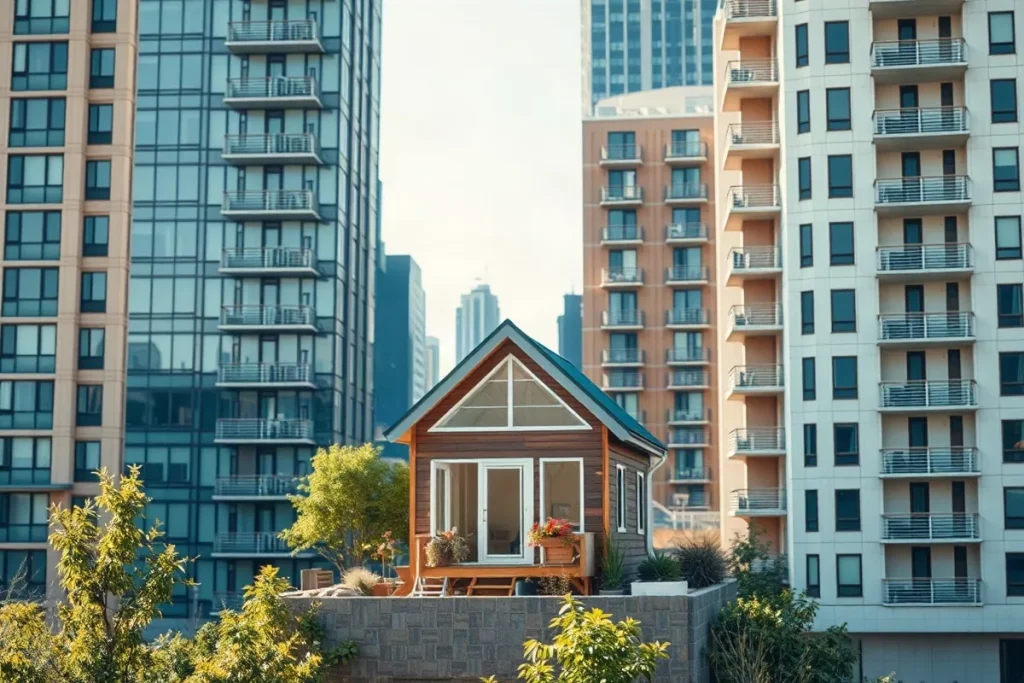
As urban living becomes increasingly expensive, first-time buyers are turning their attention to a novel solution: urban tiny homes. In 2026, this burgeoning trend is reshaping the landscape of city housing, appealing to those who seek affordability without sacrificing the vibrancy of metropolitan life. These compact dwellings offer an enticing blend of practicality and sustainability, allowing buyers to navigate the challenges of skyrocketing property prices while embracing a minimalist lifestyle.
Urban tiny homes are not merely a fad; they represent a fundamental shift in how we perceive space and community in bustling cities. As younger generations prioritize experiences over possessions, these homes provide an opportunity to invest in real estate while cultivating a sense of belonging in urban centers. With innovative designs and efficient use of space, urban tiny homes are quickly becoming a sought-after option for first-time buyers eager to make their mark in the real estate market of 2026.
Understanding the Tiny Home Movement
The tiny home movement represents a significant shift in the way many individuals and families approach housing. Defined as compact living spaces typically ranging from 100 to 400 square feet, tiny homes are designed to offer a more affordable alternative to traditional housing. Priced between $30,000 and $150,000, these homes provide an attractive option for first-time buyers who may be deterred by the soaring costs of conventional homes. The design of tiny homes often emphasizes functionality and efficiency, incorporating multi-purpose furniture and innovative storage solutions to maximize the use of limited space. This thoughtful approach to living not only reduces financial burdens but also encourages a simpler, more sustainable lifestyle.
The origins of the tiny home movement can be traced back to the 2008 financial crisis, a time when many Americans faced economic hardship and uncertainty. As homeowners grappled with foreclosures and the overwhelming costs associated with traditional homeownership, many turned to tiny homes as a viable solution. This shift was not merely about downsizing; it represented a broader cultural transformation towards minimalism and financial independence. The appeal of tiny living has only grown in recent years, as more individuals recognize the benefits of reducing their material possessions and embracing a lifestyle that prioritizes experiences over things.
In 2026, the interest in tiny homes continues to flourish, driven by heightened awareness of sustainability and the impact of urbanization on housing availability. Many prospective buyers are drawn to the environmental benefits associated with tiny living. These homes typically require fewer resources to build and maintain, and they often incorporate eco-friendly materials and energy-efficient systems. As urban areas grapple with housing shortages and increasing costs, tiny homes emerge as practical solutions that align with a growing desire for sustainable living.
Moreover, the regulatory landscape has begun to adapt to this trend, with more municipalities recognizing the need for affordable housing options and supporting the integration of tiny homes into urban planning. As a result, tiny homes are not just a fleeting trend but a legitimate and enduring movement that is reshaping the housing market and offering new possibilities for first-time buyers in 2026.
The Financial Landscape for First-Time Buyers
The financial landscape for first-time buyers in 2026 presents unique challenges and opportunities, particularly as housing prices in urban areas continue to soar. The average cost of a traditional home has reached staggering heights, often exceeding £290,000, which places significant financial pressure on new entrants to the market. With the typical deposit requirement hovering around £50,000, many potential buyers find themselves grappling with the daunting task of accumulating sufficient funds to secure a mortgage. As a result, first-time buyers are increasingly seeking alternatives that can alleviate some of the financial strain associated with traditional homeownership.
In this context, tiny homes have emerged as a compelling solution. Priced between $30,000 and $150,000, these compact dwellings offer an affordable entry point into homeownership, especially when compared to the escalating prices of conventional properties. The financial benefits of choosing a tiny home extend beyond the initial purchase price. Many buyers find that they can enjoy significantly lower monthly payments, which are often accompanied by reduced living expenses. These savings can lead to greater financial flexibility, allowing first-time homeowners to allocate funds towards other priorities, such as savings, travel, or investment opportunities.
Moreover, the regulatory environment is becoming increasingly supportive of tiny home developments, facilitating their integration into urban settings. This growing acceptance not only enhances the availability of tiny homes but also contributes to a burgeoning market that caters specifically to first-time buyers. As urbanization continues to fuel housing shortages, the tiny home movement is poised for expansion, offering a viable pathway to homeownership for those who may feel priced out of traditional housing markets.
In conclusion, as first-time buyers navigate the complexities of the 2026 housing market, tiny homes present an attractive alternative that addresses both affordability and practicality. By stepping away from conventional expectations of homeownership, these buyers can take advantage of lower costs, reduced financial burdens, and the opportunity to live in vibrant urban environments without the weight of overwhelming debt. The appeal of tiny homes is not merely a trend; it represents a thoughtful response to the evolving challenges of modern living.
Regulatory Support and Urban Integration
As the tiny home movement gains traction in urban landscapes, regulatory support is becoming increasingly vital for its success. Cities across the United States are reevaluating and reforming zoning laws to facilitate tiny home development, recognizing the growing demand for affordable housing alternatives. These regulations often include changes that allow for smaller lot sizes, reduced minimum square footage requirements, and streamlined permitting processes. This shift not only addresses the affordability crisis but also aligns with sustainability goals, encouraging eco-friendly living in densely populated areas.
Local governments are proactively adjusting policies to accommodate tiny homes, thus fostering a more inclusive housing environment. Initiatives such as providing tax incentives for tiny home builders and homeowners, as well as creating designated tiny home communities, are gaining popularity. Many municipalities are also engaging with community stakeholders to ensure that these homes meet the needs of their residents while preserving neighborhood aesthetics and safety standards. This collaborative approach has proven effective in navigating the complexities associated with integrating tiny homes into existing urban frameworks.
Cities like Portland and Austin exemplify effective tiny home acceptance and integration. In Portland, the city has established regulations that permit tiny homes on individual lots and in accessory dwelling units, making it easier for first-time buyers to enter the housing market. The local government has also launched pilot programs aimed at demonstrating the viability of tiny homes as a sustainable housing option. Similarly, Austin has embraced the tiny home trend by introducing zoning changes that allow for greater flexibility in housing types, including tiny homes, thereby promoting diverse housing solutions in a rapidly growing city.
As urban areas grapple with rising housing costs, the regulatory landscape is evolving to support innovative housing solutions like tiny homes. This trend not only provides an affordable entry point for first-time buyers but also contributes to a more sustainable and resilient urban environment. With the right policies in place, tiny homes can play a crucial role in addressing the housing crisis while enhancing the quality of life in cities across the nation.
The Appeal of Urban Tiny Homes
The trend of urban tiny homes is rapidly gaining traction among first-time buyers in 2026, primarily due to the lifestyle benefits they offer. Living in a tiny home fosters a minimalist lifestyle that emphasizes quality over quantity. This shift allows individuals to declutter their lives, enabling them to focus on experiences rather than material possessions. The practicality of tiny homes encourages residents to adopt a more sustainable and intentional way of living, which resonates well with many millennials and Gen Z buyers.
Moreover, tiny homes promote a sense of community and belonging that is often missing in larger urban developments. These compact dwellings are frequently found in clustered settings or intentional communities, where residents share common spaces and resources. This setup not only enhances social interaction but also fosters relationships among neighbors, creating an environment of support and camaraderie. First-time buyers are drawn to the idea of being part of a close-knit community, where they can connect with like-minded individuals who share their values and lifestyle choices.
Additionally, the eco-friendly features commonly found in urban tiny homes are particularly appealing to environmentally conscious buyers. Many tiny homes incorporate sustainable building materials, energy-efficient appliances, and innovative waste management systems, which significantly reduce their carbon footprint. Solar panels, rainwater harvesting systems, and composting toilets are just a few examples of how these homes are designed with the environment in mind. By choosing a tiny home, buyers are not only making a financially savvy decision but are also contributing to a more sustainable future.
In summary, the appeal of urban tiny homes lies in their ability to provide an affordable, community-oriented, and eco-friendly living solution. As urbanization continues to intensify and housing costs remain high, tiny homes present a viable alternative for first-time buyers seeking to establish their independence without compromising their values or lifestyle. The growing popularity of this housing trend underscores a significant shift in how individuals view homeownership in the modern world.
Public Perception and Acceptance
In 2026, the perception of tiny homes in the United States has undergone a remarkable transformation, with recent surveys indicating that 65% of Americans are now open to the idea of purchasing a tiny home. This shift in attitude reflects a growing recognition of the practicality and affordability of these compact dwellings, especially for first-time buyers navigating an increasingly challenging housing market. As traditional housing prices continue to soar, many prospective homeowners are reevaluating their options, and tiny homes present an appealing alternative that aligns with their financial capabilities.
The stigma that once surrounded tiny living is rapidly diminishing, as more individuals embrace the benefits of downsizing. Once viewed as a niche lifestyle choice, tiny homes are now celebrated for their sustainable and efficient living solutions. The rising cost of housing has prompted many to seek smaller, more affordable options, and tiny homes fit the bill perfectly. This trend is bolstered by a growing cultural appreciation for minimalism and eco-friendly living, allowing individuals to declutter their lives while minimizing their environmental impact.
Social media and viral trends have played a pivotal role in reshaping public opinion about tiny homes. Platforms like Instagram and TikTok have become powerful tools for showcasing the creativity and functionality of these small spaces, inspiring a new generation of homeowners to consider tiny living. Influencers and advocates share their experiences and designs, demonstrating that a well-crafted tiny home can be both stylish and practical. This online visibility has contributed to an explosion of interest in tiny homes, as viewers are captivated by the innovative designs and the potential for a more liberated lifestyle free from the burdens of traditional homeownership.
As urban areas continue to grapple with rising housing costs and limited space, the tiny home movement is positioned for significant growth. With supportive regulations and an expanding market, it is likely that tiny homes will increasingly become a viable solution for those seeking affordable housing options. As public acceptance continues to evolve, the tiny home trend is not just a passing fad but a reflection of changing values in modern society.
Challenges and Considerations
As the trend of urban tiny homes continues to capture the interest of first-time buyers in 2026, several challenges and considerations must be addressed before making the leap into this lifestyle. One of the primary hurdles is the inherent space limitation that tiny homes present. While the compact design allows for lower costs and greater mobility, it can also lead to feelings of confinement for those unaccustomed to minimal living. Buyers should carefully evaluate their storage needs, lifestyle habits, and whether they can adapt to a smaller footprint without sacrificing comfort.
Financing options for tiny homes have become more accessible, yet they can still pose significant challenges. Traditional mortgages may not be available for many tiny home purchases, especially if the home is classified as a trailer or mobile unit. First-time buyers are often faced with alternative financing solutions such as personal loans or specialized tiny home loans, which can come with higher interest rates and shorter repayment terms. It’s vital for prospective buyers to conduct thorough research on available options and speak with financial advisors to ensure they are making informed decisions.
In addition to financing, potential issues with insurance and resale value warrant careful consideration. Insurance providers may offer limited coverage for tiny homes, or premiums may be higher due to the unique nature of these properties. Buyers should actively seek out insurers who specialize in tiny homes or consult with agents who understand the specific risks associated with this type of dwelling. Furthermore, the resale market for tiny homes remains uncertain. While the trend is growing, buyers should consider that the demand for tiny homes may fluctuate, impacting their long-term investment.
Before transitioning to tiny living, prospective buyers should reflect on their motivations and long-term goals. Here are some points to consider:
- Assess how much space is truly needed for daily activities and future plans.
- Evaluate the local zoning laws and regulations regarding tiny homes in urban areas.
- Consider the lifestyle changes associated with downsizing, including decluttering and simplifying.
- Research community options, such as tiny home villages or co-housing arrangements.
By weighing these factors, first-time buyers can better navigate the complexities of tiny home ownership and make informed choices that align with their financial and lifestyle needs.
Future Trends in Tiny Home Living
As urbanization continues to surge in 2026, the tiny home market is anticipated to flourish. With increasing housing costs in metropolitan areas, tiny homes present an appealing alternative for first-time buyers seeking affordability without sacrificing location. The average price range for these compact dwellings typically falls between $30,000 and $150,000, making them a financially manageable option compared to traditional homes, which often require substantial deposits and higher mortgages. This financial accessibility is expected to drive demand, especially among younger generations who prioritize mobility and minimalism.
Innovative designs and emerging technologies are reshaping the landscape of tiny home living. Modular construction techniques and eco-friendly materials are becoming increasingly commonplace, allowing for customized solutions that align with sustainable living principles. Many manufacturers are integrating smart home technologies to maximize space efficiency and enhance the living experience. Features such as foldable furniture, energy-efficient appliances, and advanced insulation systems enable homeowners to make the most of their compact spaces. As these innovations continue to evolve, they will likely attract a broader audience, further entrenching tiny homes in the urban housing market.
Economic factors are also poised to influence the growth of the tiny home movement in the near future. As inflation and housing shortages persist, the appeal of tiny homes is expected to rise. The current economic climate has prompted many individuals to reconsider their housing choices, with 65% of Americans expressing interest in tiny homes as viable living solutions. Additionally, the potential for regulatory support, such as zoning changes and financing options tailored to tiny homes, could facilitate their integration into urban landscapes.
Overall, the convergence of affordability, innovative design, and supportive economic conditions positions the tiny home market for robust growth in 2026 and beyond. As cities become increasingly crowded and housing affordability remains a pressing issue, tiny homes are set to become a significant player in the future of urban living.
Frequently asked questions
What defines a tiny home?
Why are tiny homes gaining popularity among first-time buyers?
Are tiny homes legally allowed in urban areas?
What are the financing options for tiny homes?
What are the main challenges of living in a tiny home?
Key takeaways
- Tiny homes offer a financially viable option for first-time buyers in urban areas.
- Regulatory support is increasing, making tiny homes more accessible.
- Public perception is shifting, with growing acceptance of tiny living.
- Sustainability and minimalism are key drivers of the tiny home trend.
- Future trends indicate continued growth and innovation in the tiny home market.
Sources
dataintelo.com, ube.ac.uk, ipx1031.com, coherentmarketinsights.com, realtor.com

Topic guide: Analysis: The Complete Guide