Survey Findings Highlight Transportation Preferences
A new survey conducted by the National Association of Realtors (NAR) in August 2026 reveals that 68% of urban homebuyers consider access to public transportation a critical factor in their housing decisions. This marks a significant increase from 55% in 2023, indicating a shifting trend in urban living preferences as remote work continues to reshape commuting patterns.
The survey, which included responses from over 2,500 potential homebuyers across major metropolitan areas in the United States, highlights the growing importance of convenience and accessibility in housing choices. As cities become more congested, the demand for properties near public transit hubs is expected to influence real estate prices and development strategies in the coming years.
Impact on Housing Market Dynamics
With urban homebuyers prioritizing proximity to public transport, real estate markets in cities like New York, San Francisco, and Chicago are likely to see a shift in property values. Reports indicate that homes located within half a mile of a subway station can command a premium of 15% to 20% over similar properties further away. In San Francisco, for instance, median home prices near transit lines can reach $1.5 million, compared to $1.2 million for homes further afield.
This trend has significant implications for developers and city planners, as they may need to reassess zoning laws to accommodate the increasing demand for transit-oriented developments. Initiatives to enhance public transport accessibility can also drive investment and increase foot traffic in urban areas, fostering economic growth.
Shifts in Urban Living Preferences
The emphasis on public transportation access reflects broader changes in urban living preferences, particularly among millennials and Gen Z buyers. According to the NAR survey, 74% of respondents aged 25 to 34 cited public transport as a deciding factor in their housing decisions, compared to only 52% of those aged 55 and older. This generational divide suggests a long-term trend that could reshape urban landscapes as younger buyers enter the market.
Moreover, the increasing popularity of remote work has led many individuals to seek out homes that combine work-from-home spaces with easy access to public transport. This hybrid living model allows for flexibility while ensuring connectivity to workplaces and social amenities, thereby influencing future urban planning and infrastructure investments.
Challenges and Opportunities for Urban Planners
As urban areas evolve to meet the demands of new homebuyers, city planners face the challenge of balancing housing supply with infrastructure development. The American Public Transportation Association (APTA) estimates that cities will need to invest approximately $100 billion in public transit systems over the next decade to keep pace with growing demand. This investment is crucial for maintaining and improving service efficiency, especially in high-density areas.
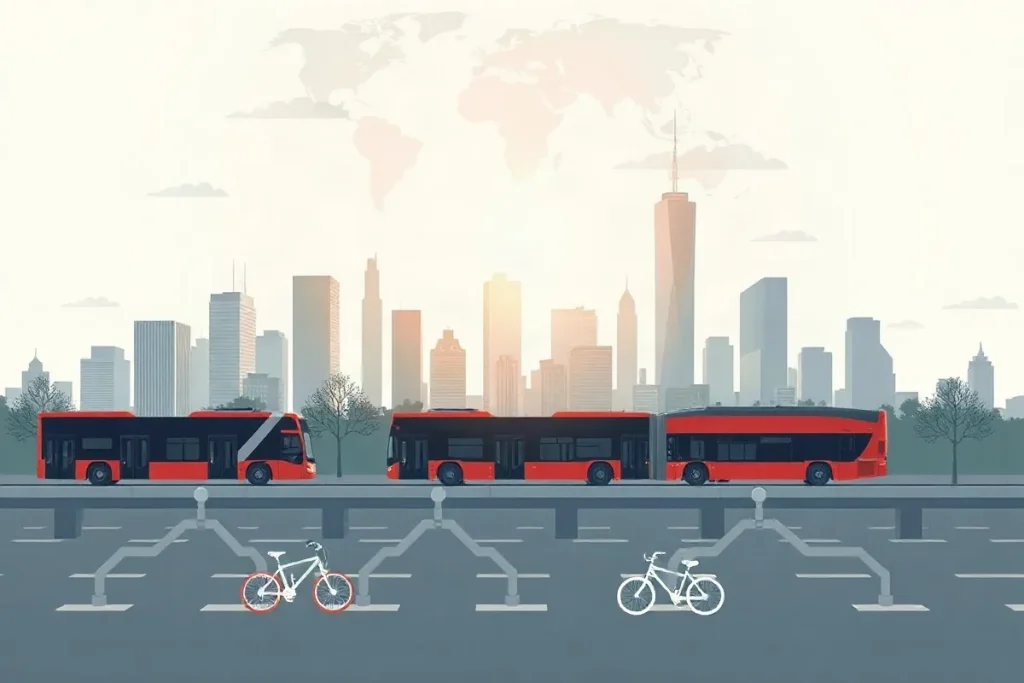
Furthermore, the need for sustainable transport options is becoming increasingly vital. Many cities are exploring green transit solutions, such as electric bus systems and bike-sharing programs, to complement traditional public transport. These initiatives not only address environmental concerns but also enhance the overall appeal of urban living for prospective buyers.
Conclusion and Market Outlook
The findings of the NAR survey underscore the evolving landscape of urban housing in 2026, where access to public transportation is becoming a non-negotiable factor for many homebuyers. As preferences shift toward convenience and sustainability, stakeholders in the real estate and urban planning sectors must adapt to these changing dynamics.
In summary, the prioritization of public transport access in housing decisions signals a major shift in urban living trends, likely influencing market strategies and development projects in the years to come.

Topic guide: Analysis: The Complete Guide