Paulson Signals Further Rate Increases to Curb Inflation
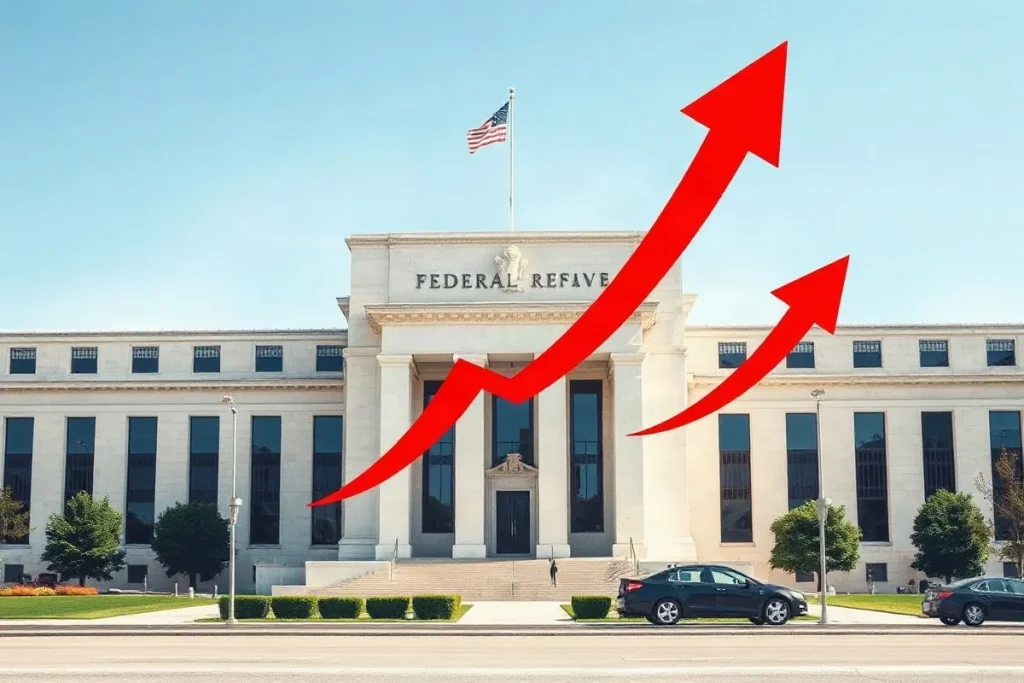
Philadelphia Federal Reserve President Anna Paulson indicated on September 24, 2026, that additional interest rate hikes may be necessary to bring inflation back to the Federal Reserve’s 2% target. This statement follows the Federal Open Market Committee’s recent quarter-point increase that raised the benchmark rate to a target range of 3.75% to 4%. Paulson emphasized that inflation remains persistently above target, warranting cautious but ongoing monetary tightening.
The importance of her remarks lies in their timing, coming just a week after the Fed’s rate adjustment, and signaling the central bank’s commitment to balancing inflation control with labor market stability. The prospect of further rate rises suggests the Fed is focused on sustaining its tightening stance amid stubborn inflation pressures.
Inflation Trends Remain Above Target Despite Recent Hikes
Despite some moderation in consumer price increases over the summer, core inflation levels are still estimated to be between 2.5% and 3%, exceeding the Fed’s 2% objective. Paulson noted that this inflation gap has shown little sign of narrowing, highlighting ongoing challenges beyond external shocks such as the Iran conflict and tariff impacts.
Her observation that “underlying inflation hasn’t gotten worse” this year suggests stabilization rather than improvement, underscoring why the Fed may continue with measured rate hikes. This persistent inflation level influences decisions on monetary policy tightening in the near term.
Economic Output and Labor Market Stability Support Gradual Approach
Paulson described economic output as “solid” and the labor market as “holding steady,” implying that the U.S. economy retains strength despite inflationary pressures. This balance allows the Fed to pursue further interest rate increases cautiously without risking significant disruption to employment.
This assessment is critical because it frames the Fed’s policy path as one that aims to carefully calibrate actions to avoid pushing the economy into recession. The labor market’s resilience plays a key role in maintaining confidence that small rate rises can be absorbed without severe labor market consequences.
Market Expectations Reflect Anticipation of Additional Fed Hikes
Financial markets have responded to Fed signals by adjusting expectations for future rate moves. Treasury yields on longer maturities recently reached levels not seen since 2004, reflecting investor anticipation of continued tightening. The CME Group’s FedWatch tool shows a 64% probability of a rate increase at the October FOMC meeting, with expectations for further hikes into 2027.
Fed funds futures project a terminal rate near 4.8% by the end of 2027, implying up to four additional quarter-point increases. This market pricing underscores widespread belief that the Fed will maintain its tightening policy until inflation trends decisively move closer to target.
Other Fed Leaders Echo Support for Additional Rate Steps
New York Federal Reserve President John Williams reinforced Paulson’s stance by describing another rate hike before year-end as “reasonable.” This concurrence among regional Fed leaders highlights a consensus within the Federal Reserve System favoring gradual but continued monetary tightening.
The alignment between Paulson and Williams signals a cohesive approach to policy that prioritizes inflation reduction while monitoring economic and labor market conditions. This unified perspective influences investor confidence and shapes expectations for future Federal Reserve actions.
Takeaway: Philadelphia Fed President Anna Paulson’s recent remarks confirm the likelihood of modest additional interest rate increases to address persistent inflation above the 2% target.