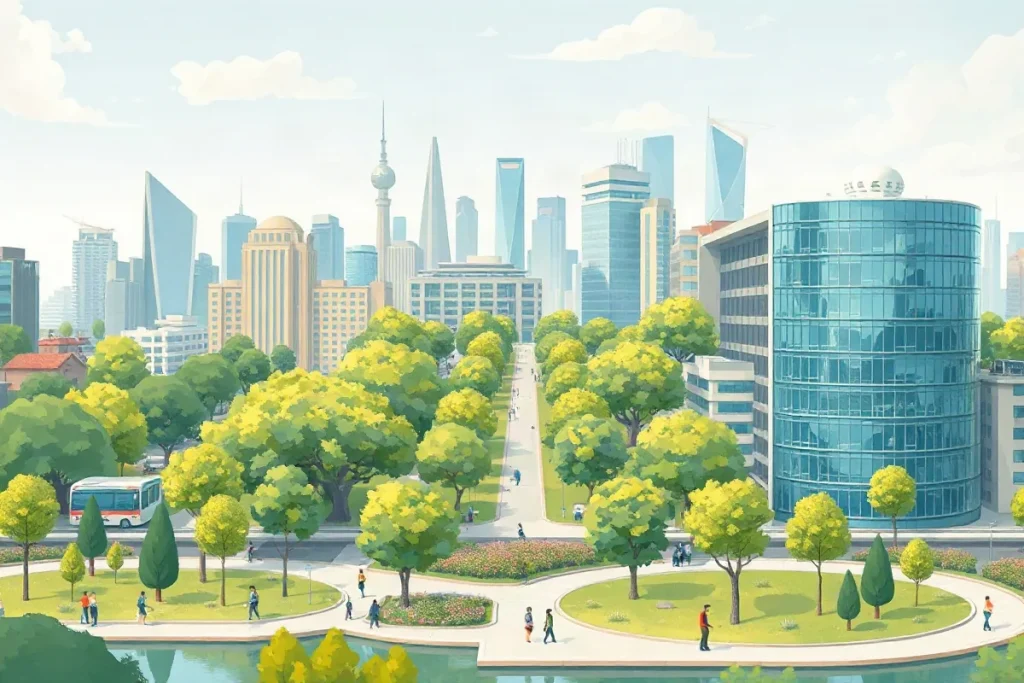
The increasing property prices in urban areas have become a central topic in discussions about housing affordability. Recent trends indicate that the demand for green spaces is significantly influencing these rising prices. As more city dwellers seek a connection to nature amidst the hustle and bustle of urban life, properties near parks, gardens, and other green environments have become highly sought after, pushing their values upward.
This shift reflects a broader societal change towards prioritizing well-being and environmental sustainability. In 2026, the desire for green spaces has not only redefined property desirability but also reshaped urban planning strategies. As cities continue to evolve, understanding the relationship between property prices and green spaces will be crucial for both investors and homebuyers navigating this dynamic market.
Understanding Urban Green Spaces
Urban green spaces encompass a variety of natural areas integrated within city environments, including parks, gardens, and recreational areas. These spaces serve as vital components of urban planning, providing both aesthetic appeal and functional benefits to residents. Parks offer open areas for leisure and community activities, while gardens can contribute to biodiversity and enhance the visual landscape of urban neighborhoods. Recreational areas, such as playgrounds and sports fields, cater to active lifestyles, promoting physical health and social interaction among community members.
The importance of greenery in urban planning cannot be overstated. Green spaces contribute significantly to the overall aesthetics of a city, making it more attractive to potential residents and investors. As neighborhoods become increasingly urbanized, the presence of green spaces is often viewed as a luxury, leading to heightened demand and, consequently, rising property values. Properties located near these green spaces can see value increases of up to 49%, illustrating a strong correlation between urban greenery and real estate prices. Wealthier individuals and families actively seek out neighborhoods that offer these amenities, further driving demand.
Moreover, urban green spaces play a crucial role in promoting environmental health and community well-being. They help mitigate urban heat, improve air quality, and provide habitats for various species, contributing to the ecological balance within cities. From a social perspective, these areas foster community engagement and cohesion, offering venues for gatherings, events, and recreational activities that enhance the quality of life for residents. Access to green spaces has been linked to improved mental health outcomes, as they provide a respite from the hustle and bustle of urban life, allowing individuals to unwind and connect with nature.
In summary, urban green spaces are essential for creating vibrant, healthy, and attractive urban environments. Their multifaceted benefits not only enhance property values but also contribute to the overall well-being of communities, making them indispensable in the face of rising urbanization and property prices.
The Economic Impact of Green Spaces on Property Prices
The relationship between proximity to green spaces and residential property values has become increasingly evident in urban areas, particularly as demand for these amenities continues to rise. Properties located near parks, gardens, and recreational areas tend to command higher prices, with studies indicating that such proximity can increase property values by an impressive average of £2,500. This trend is largely driven by the preferences of wealthier residents who prioritize access to green environments as part of their living criteria, leading to a noticeable uptick in demand for housing in greener neighborhoods.
Statistical analysis has shown that residential properties in close proximity to urban green spaces can experience property value increases of up to 49%. This surge is particularly pronounced in the terrace and apartment sectors, where the aesthetic and recreational benefits of nearby parks and gardens are highly valued. As neighborhoods develop and enhance their green offerings, they become more attractive to potential buyers, further driving up property prices. This creates a cycle where increased demand for housing leads to a rise in property values, making these areas increasingly sought after.
Several urban areas exemplify this trend, demonstrating how green spaces can significantly influence real estate markets. For instance, neighborhoods in London have seen property prices soar as new parks and green initiatives have been introduced. In cities such as Manchester and Birmingham, the incorporation of public gardens and recreational fields has not only improved the quality of life for residents but has also resulted in substantial financial gains for property owners. These case studies highlight the broader implications of urban planning and the necessity of integrating green spaces into city landscapes, as they play a crucial role in enhancing property values.
In summary, the economic impact of green spaces on property prices is a clear reflection of changing urban dynamics. As cities evolve, the value attributed to green amenities continues to rise, shaping the real estate landscape in profound ways. This shift underscores the importance of strategic urban development that prioritizes access to nature, ultimately benefiting both residents and property investors alike.
Demographic Shifts: Who is Moving to Greener Neighborhoods?
The growing interest in urban green spaces has significantly reshaped the landscape of property demand in 2026. A notable demographic shift is evident, with wealthier households and young families increasingly gravitating toward neighborhoods that offer proximity to parks, gardens, and other green amenities. This trend is largely driven by lifestyle preferences that prioritize outdoor recreational opportunities and the health-conscious mentality of modern buyers. For many, living near green spaces is no longer just a luxury; it has become a crucial factor in their housing decisions.
Wealthier households are often willing to pay a premium for properties that boast access to these urban oases. The data shows that homes near parks can see price increases of up to 49%, reflecting the heightened desirability of these areas. Young families, in particular, are drawn to greener neighborhoods not only for their aesthetic appeal but also for the potential health benefits associated with increased outdoor activity and improved air quality. This demographic is increasingly aware of the long-term advantages of living in areas that promote a robust lifestyle, making green spaces an essential criterion in their home searches.
Moreover, urban migration patterns reveal a growing trend of individuals relocating from less desirable areas to greener neighborhoods. This movement is fueled by a combination of factors, including remote work flexibility, which allows families to prioritize quality of life over proximity to traditional employment hubs. As urban dwellers seek out environments that enhance their well-being, the demand for properties in greener areas continues to rise. This shift not only influences housing prices but also reshapes community dynamics, drawing in residents who value sustainability and a connection to nature.
In summary, the intersection of wealth, health consciousness, and lifestyle preferences is driving a significant change in the real estate market. As more people recognize the value of living near urban green spaces, it is becoming increasingly apparent that these areas are not just attractive; they are vital to the evolving preferences of today’s homebuyers. The resulting demand is reshaping urban landscapes and contributing to a new definition of desirable living.
Green Spaces: A Catalyst for Urban Revitalization
The development of parks and recreational areas plays a crucial role in rejuvenating declining neighborhoods, transforming them into vibrant communities that attract both residents and investors. Urban green spaces serve as essential amenities that enhance the quality of life, providing areas for social interaction, leisure, and outdoor activities. As neighborhoods become greener, they often experience a revitalization that can lead to increased property values. Research indicates that homes located near urban parks can see value increases of up to 49%, highlighting the financial implications of investing in green infrastructure.
Local governments and community initiatives are pivotal in enhancing urban greenery. By prioritizing the creation and maintenance of parks, gardens, and recreational areas, municipalities can stimulate economic growth while fostering community engagement. Programs that involve local residents in the planning and upkeep of these green spaces not only empower communities but also ensure that the developments meet the specific needs and desires of the people living there. This collaborative approach can lead to more sustainable outcomes and a stronger sense of ownership among community members.
Several successful urban revitalization projects illustrate the transformative power of green spaces. For instance, the High Line in New York City, a former elevated railway turned public park, has breathed new life into an area that was once neglected. This innovative project has not only increased property values in the vicinity but has also attracted new businesses and tourists, showcasing how green spaces can spur economic activity. Similarly, the redevelopment of the Cheonggyecheon Stream in Seoul, South Korea, involved the removal of an elevated highway to restore a natural waterway, resulting in enhanced urban biodiversity and a significant boost to the local economy.
In conclusion, the integration of green spaces in urban planning is not merely an aesthetic enhancement but a strategic investment in the social and economic fabric of neighborhoods. By prioritizing these initiatives, cities can foster not only increased property values but also a healthier, more engaged urban population.
Challenges and Downsides of Rising Property Prices
The surge in property prices in urban areas, spurred by the growing demand for green spaces, brings with it several challenges that cannot be overlooked. One of the most pressing issues is the potential for gentrification, which often displaces long-term residents. As wealthier individuals flock to neighborhoods boasting parks and green areas, rental and property prices soar, creating an environment where longstanding community members find it increasingly difficult to afford their homes. This phenomenon not only disrupts established communities but also erodes the cultural fabric that has developed over time.
Furthermore, the demand for green spaces exacerbates economic inequality, as access to these desirable areas becomes a privilege reserved for those with higher incomes. The imbalance created by rising property values can lead to a stark divide, where affluent residents enjoy enhanced living conditions while lower-income families are pushed to the outskirts or forced to seek housing in less desirable locations. This trend not only deepens economic disparities but can also reduce social cohesion within urban environments, as the mixing of different socioeconomic groups diminishes.
Addressing these challenges requires strategic planning and innovative solutions aimed at preserving affordable housing while enhancing urban greenery. One effective strategy is to implement policies that promote mixed-income developments, ensuring that new housing projects include units that are accessible to a range of income levels. Additionally, community land trusts can be established to maintain affordability in rapidly gentrifying areas, allowing for collective ownership and preserving housing stock for future generations.
Investing in community engagement initiatives is also vital, as these can empower residents to advocate for their needs and preferences in the development process. By fostering collaboration between city planners, developers, and local communities, it is possible to create urban spaces that prioritize green amenities without compromising housing affordability. Ultimately, balancing the desire for green spaces with the need for inclusive housing solutions is crucial for fostering sustainable urban growth that benefits all residents.
Environmental Benefits of Urban Green Spaces
Urban green spaces provide a myriad of environmental benefits that extend beyond aesthetics and recreational opportunities. One of the most significant contributions of these areas is to biodiversity and urban ecology. Green spaces serve as vital habitats for various species, supporting flora and fauna that might otherwise struggle to survive in densely populated urban environments. Parks, gardens, and green corridors can help maintain ecological balance by providing habitats for pollinators, birds, and other wildlife, thereby enhancing the overall biodiversity of cities. This ecological richness not only benefits the environment but also enriches the urban experience for residents, fostering a deeper appreciation for nature amidst the urban landscape.
In addition to promoting biodiversity, urban green spaces play a crucial role in improving air quality and bolstering climate resilience. Vegetation in parks and green areas acts as a natural filter, absorbing pollutants and carbon dioxide while releasing oxygen. This process not only mitigates the effects of air pollution but also contributes to a healthier living environment for urban dwellers. Furthermore, green spaces help to regulate temperatures through shade and evapotranspiration, which can be especially important in combating the urban heat island effect. By incorporating more greenery into urban planning, cities can enhance their resilience to climate-related challenges, such as heatwaves and heavy rainfall, ultimately safeguarding both the environment and public health.
The importance of green spaces extends to mental health and community cohesion as well. Access to parks and recreational areas has been linked to improved mental well-being, providing urban residents with a necessary escape from the hustle and bustle of city life. These spaces encourage physical activity, social interaction, and relaxation, all of which are essential for maintaining mental health. Moreover, green spaces often serve as communal hubs where people from diverse backgrounds can gather, fostering a sense of belonging and community. This social cohesion is vital for creating inclusive urban environments, where residents can collectively engage in activities that strengthen their neighborhoods.
In summary, the environmental benefits of urban green spaces are multifaceted, contributing to biodiversity, air quality, climate resilience, mental health, and community cohesion. As property prices continue to rise in urban areas, the demand for these valuable green spaces is likely to increase, highlighting their essential role in sustainable urban development.
The Future of Urban Green Spaces and Property Values
As urban areas continue to evolve, the future of urban green spaces is intricately linked to property values and overall community well-being. In 2026, the trend toward sustainability in urban development is expected to intensify, with city planners and developers increasingly prioritizing green infrastructure. This shift is not merely an aesthetic choice; research shows that properties located near parks and green spaces can see value increases of up to 49%. As a result, wealthier residents are drawn to greener neighborhoods, driving demand and consequently raising property prices. The integration of nature into urban settings is becoming a vital component of modern city planning, offering not just recreational benefits but also enhancing the aesthetic appeal of residential areas.
Technology and innovation play crucial roles in enhancing urban green spaces. Smart city initiatives are paving the way for the development of digital platforms that monitor and manage urban greenery efficiently. For instance, the use of sensors and data analytics can help city officials track the health of urban trees or the usage patterns of parks, enabling them to make informed decisions about maintenance and enhancements. Moreover, innovative landscaping techniques, such as vertical gardens and green roofs, are gaining popularity, allowing even densely populated areas to incorporate greenery without requiring extensive land. These technological advancements not only improve the quality of urban green spaces but also contribute to increased property values, as prospective buyers recognize the added appeal of living in a green-centric community.
To balance property development with environmental preservation, policymakers must consider implementing regulations that incentivize the creation and maintenance of urban green spaces. Potential policies could include tax breaks for developers who incorporate parks or community gardens into their projects, or mandatory green space allocations in new developments. Additionally, community engagement in urban planning can ensure that the voices of residents are heard, promoting the development of green spaces that meet the needs of the community. As cities grapple with the dual challenges of urbanization and environmental sustainability, these policies will be essential in fostering a harmonious relationship between property development and the natural environment, ultimately benefiting both residents and the local economy.
Conclusion: The Interplay of Green Spaces and Urban Living
As urban areas continue to evolve, the interplay between green spaces and property values becomes increasingly evident. The demand for green spaces has been shown to significantly elevate property prices, with homes located near parks and gardens experiencing price increases of up to 49%. This trend is particularly pronounced among wealthier residents who prioritize access to attractive, green neighborhoods. The aesthetic and recreational benefits of urban green spaces not only enhance the quality of life for residents but also serve as a powerful driver of real estate value, raising the average property price by approximately £2,500 for homes in close proximity to such areas.
However, the rising property prices associated with increased demand for green spaces present a dual-edged sword. While the appeal of greener living environments can benefit property owners, it may also lead to affordability challenges for lower-income residents. To foster sustainable urban development, it is essential to adopt a balanced approach that prioritizes the creation and maintenance of green spaces while ensuring that housing remains accessible to all socio-economic groups. City planners must recognize that the presence of green spaces should not only be seen as a luxury for wealthier populations but as a fundamental component of livable cities that benefits the entire community.
In light of these considerations, it is crucial for both city planners and residents to advocate for the integration of more green spaces within urban development plans. This includes not only the creation of parks and gardens but also the preservation of existing natural areas. Urban environments that embrace greenery can promote biodiversity, improve air quality, and create vibrant communities that foster social interactions. By working together, stakeholders can ensure that the benefits of green spaces are equitably distributed, enhancing both property values and the overall well-being of urban residents.
In summary, the relationship between green spaces and property values highlights the importance of thoughtful urban planning that accommodates both economic growth and community needs. By prioritizing green spaces, cities can enhance their appeal and livability, ensuring a brighter future for all residents.
Frequently asked questions
How much do green spaces increase property values?
Who benefits from increased property values due to green spaces?
What are the environmental benefits of urban green spaces?
What are the challenges of rising property prices?
How can cities maintain affordability amidst rising property values?
Key takeaways
- Urban green spaces significantly enhance nearby property values.
- Demand for greener neighborhoods is driven by wealthier demographics.
- Revitalization efforts can benefit communities but may lead to gentrification.
- Sustainable urban planning is essential for balancing development and affordability.
- The future of urban living hinges on integrating green spaces into city designs.
Sources
ons.gov.uk, The Downside of Increased Housing Prices, sites.google.com, frontiersin.org, pmc.ncbi.nlm.nih.gov

Topic guide: Analysis: The Complete Guide