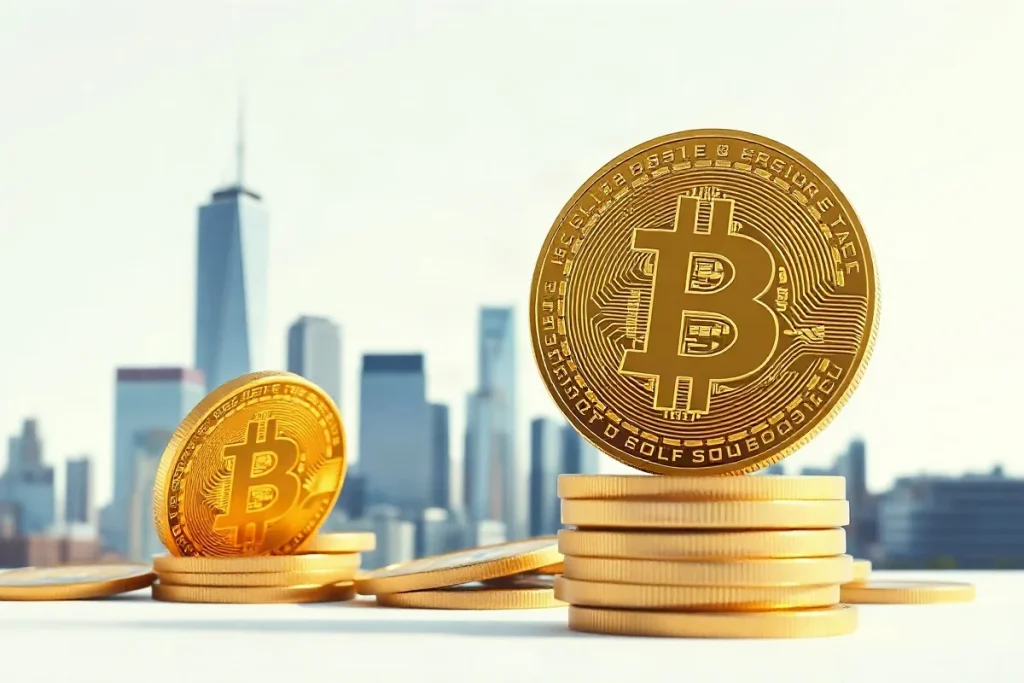
As the financial landscape continues to evolve in 2026, the debate between Bitcoin and real estate investment has intensified, capturing the attention of both seasoned investors and newcomers alike. With a growing number of billionaires publicly weighing in on the merits and drawbacks of these two asset classes, the conversation has shifted from simple comparisons to a deeper exploration of their potential for wealth generation and security in an unpredictable market.
At the heart of this discussion lies a fundamental question: which investment offers the best value in today’s economic climate? Advocates for Bitcoin tout its volatility and potential for explosive growth, while real estate supporters emphasize stability and tangible assets. As opinions clash, understanding the nuances of each investment strategy becomes crucial for anyone looking to navigate the complexities of wealth creation in 2026.
Introduction: The Investment Landscape in 2026
The investment landscape in 2026 is marked by a blend of optimism and uncertainty, as economic fluctuations continue to shape investor sentiment. With inflation concerns, fluctuating interest rates, and geopolitical tensions, many investors are re-evaluating their portfolios, leading to increased discussions around alternative assets. Amidst this backdrop, two prominent investment options have emerged as focal points of debate: Bitcoin and real estate. As tech billionaires weigh in on their respective merits, the conversation is redefining the notion of value in today’s market.
On one side of the debate, advocates for Bitcoin emphasize its potential for explosive growth. With its recent rally attracting renewed interest, many see Bitcoin as a hedge against inflation and a store of value, akin to gold. Proponents argue that its decentralized nature and increasing mainstream adoption make it a compelling option for those seeking high returns. Conversely, the real estate sector offers stability and tangible assets that can withstand market volatility. Billionaires who champion real estate often highlight its historical resilience and consistent income generation through rental yields, making it an appealing choice for conservative investors.
Key players in this ongoing discussion include some of the most influential figures in the tech industry, who bring diverse perspectives shaped by their personal experiences and investment philosophies. As California grapples with proposed wealth taxes that could significantly impact high-net-worth individuals, many billionaires are considering relocating to more tax-friendly states. This potential exodus adds another layer of complexity to the investment conversation, as it underscores the urgency of making informed decisions in a rapidly changing environment.
Understanding both Bitcoin and real estate as viable investment options is crucial for today’s investors. Each asset class presents unique advantages and challenges, and weighing these in the context of individual risk tolerance and financial goals is essential. As the debate heats up, it remains clear that both Bitcoin and real estate will continue to play significant roles in the evolving investment landscape of 2026.
Bitcoin: The Case for Cryptocurrency
Bitcoin has recently experienced a significant rally, rekindling interest among investors and raising discussions about its potential for growth in 2026. As traditional markets face challenges, Bitcoin is increasingly viewed as a viable investment alternative. Proponents argue that its decentralized nature and limited supply make it a unique asset that could yield substantial returns in the coming years. With many tech billionaires advocating for cryptocurrency, the ongoing dialogue about Bitcoin’s viability as a superior investment is intensifying.
One of the key arguments in favor of Bitcoin is its capacity to act as a hedge against inflation and economic instability. In a world where inflation rates remain unpredictable and geopolitical tensions affect global markets, Bitcoin’s characteristics position it as a store of value. Unlike fiat currencies, which can be devalued by excessive printing, Bitcoin’s capped supply of 21 million coins creates a scarcity that appeals to those looking to preserve wealth. This narrative has gained traction among investors who view Bitcoin as a modern alternative to gold, particularly in uncertain economic times.
Billionaires who champion Bitcoin emphasize its transformative potential. They argue that the cryptocurrency is not only a speculative asset but also a revolutionary technology that can reshape financial systems. For instance, some have suggested that Bitcoin could provide greater financial inclusion by offering a decentralized method of transaction that bypasses traditional banking infrastructures. This perspective challenges the conventional favor for real estate, which, while historically seen as a stable investment, may not offer the same growth potential in today’s rapidly evolving economic landscape.
As discussions around wealth taxes, especially in states like California, continue to loom large, the appeal of Bitcoin as a means of preserving wealth becomes even more pronounced. The prospect of high taxes is prompting some investors to reconsider their asset allocations. With Bitcoin’s recent performance and the ongoing debate among billionaires about its merits, it seems clear that the cryptocurrency landscape will remain a pivotal topic in investment conversations throughout 2026.
Real Estate: The Stability Factor
In the current landscape of investment options, real estate stands out as a beacon of stability, especially when compared to the notorious volatility of cryptocurrencies like Bitcoin. As tech billionaires engage in heated debates over the merits of these two asset classes, many are leaning towards real estate for its long-term reliability. The tangible nature of property investments, coupled with their historical appreciation in value, positions real estate as a safer bet for those looking to secure their wealth over time.
One of the critical factors contributing to this preference is the growing concern over proposed taxes, particularly in states like California, where a new wealth tax threatens to drive affluent individuals to reconsider their investment strategies. With significant financial implications at stake, billionaires are increasingly viewing real estate not just as a means of wealth accumulation but also as a strategic hedge against potential tax liabilities. This perspective is reinforced by the fact that real estate often retains or increases in value, even during economic downturns, providing a level of security that cryptocurrencies currently cannot match.
While Bitcoin’s recent rallies have captured the attention of many investors, its price fluctuations remain a significant deterrent for those with a low-risk tolerance. Properties, on the other hand, tend to experience gradual appreciation, offering a more predictable investment avenue. Many billionaires advocate for diversifying portfolios with real estate holdings, emphasizing the benefits of passive income through rental properties and the advantages of leveraging property equity for further investments.
As the debate continues, the insights from prominent investors underscore a growing trend: real estate is being favored as a cornerstone of long-term investment strategy, especially in light of looming financial uncertainties. The contrasting stability of property values against the unpredictable nature of cryptocurrencies positions real estate as a compelling choice for those seeking to maintain and grow their wealth in 2026.
The Wealth Tax Debate: Implications for Investors
The Wealth Tax Debate: Implications for Investors
California’s proposed wealth tax, which could impose a significant 5% tax on the ultra-wealthy, has ignited a fierce debate among tech billionaires regarding their investment strategies. This tax proposal has the potential to reshape the financial landscape of Silicon Valley, prompting some of the state’s richest individuals to reconsider their residency and investment choices. The prospect of higher taxation has led to increased discussions about the merits of Bitcoin compared to real estate investments, both of which offer distinct advantages and challenges in an evolving marketplace.
For many investors, tax implications play a crucial role in determining where to allocate their resources. Bitcoin, with its historically high volatility and potential for substantial returns, appeals to those looking for growth, especially in the context of a wealth tax that could diminish the value of traditional assets. Conversely, real estate offers stability and the added benefit of tangible holdings, which can insulate investors from some tax burdens. As the wealth tax debate intensifies, billionaires are weighing these options carefully, considering not just their immediate financial strategies but also the long-term effects of taxation on their wealth preservation.
The looming threat of the wealth tax has already spurred some billionaires to explore relocation. Several high-profile figures have made headlines for contemplating moves to states with more favorable tax environments, such as Texas or Florida. This trend reflects a growing urgency among the wealthy to protect their assets from what they see as punitive taxation. By relocating, they can maintain their financial strategies—whether that be investing in Bitcoin’s potential or the stability of real estate—without the added pressure of excessive taxation.
In summary, California’s proposed wealth tax is not just a political issue; it has profound implications for investors navigating between Bitcoin and real estate. As billionaires consider their options, the outcomes of this tax debate could lead to significant shifts in investment patterns, residency choices, and ultimately, the future of wealth management in the tech industry.
Market Trends: What Investors Should Know
As we navigate through 2026, the debate between Bitcoin and real estate as investment vehicles continues to gain momentum. Recent market trends reveal a notable shift in investor sentiment, with many leaning towards Bitcoin, largely fueled by its ongoing rally and potential for significant returns. This enthusiasm is juxtaposed against a backdrop of rising interest rates and economic uncertainties, which traditionally bolster the appeal of real estate investments for their stability and income generation.
Data shows that Bitcoin has attracted a wave of new investors this year, particularly following its substantial price increases. This cryptocurrency’s allure lies in its decentralized nature and perceived resilience against inflationary pressures. Conversely, real estate remains a steadfast choice for those prioritizing long-term value and tangible assets. The recent proposal of a wealth tax in California has prompted some wealthy individuals and tech entrepreneurs to reconsider their commitments to the state, leading to increased discussions about relocating and diversifying their investment portfolios, particularly into markets with more favorable tax environments.
In terms of performance, both sectors are experiencing dynamic changes. Real estate, while historically viewed as a safe haven, faces challenges in certain markets due to rising mortgage rates and a shift in buyer preferences. Conversely, Bitcoin’s price volatility has made it a double-edged sword; while it offers opportunities for high returns, it also poses significant risk. Investors are largely divided, with some viewing Bitcoin as the future of digital wealth, while others cling to real estate as a more reliable, stable investment.
As this debate unfolds, the key trends to monitor include:
– **Investor Sentiment**: Shifts towards Bitcoin highlight a growing appetite for high-risk, high-reward investments.
– **Regulatory Impacts**: Proposed tax changes could influence where and how investors allocate their resources.
– **Market Performance**: Fluctuations in both Bitcoin and real estate markets will indicate broader economic health and investor confidence.
In conclusion, the competition between Bitcoin and real estate is far from settled. Investors in 2026 must weigh the potential rewards of cryptocurrencies against the historical stability of real estate, all while keeping an eye on the regulatory landscape that could reshape their investment strategies.
Long-Term Outlook: Diversification Strategies
In the current financial landscape, the debate between Bitcoin and real estate as investment options highlights the critical importance of diversification in an investment portfolio, especially amidst ongoing economic fluctuations. Investors are increasingly aware that relying on a single asset class can lead to significant risks, particularly in volatile markets. Diversification not only mitigates potential losses but also positions investors to take advantage of the unique growth opportunities presented by different asset types.
For those navigating the dichotomy between Bitcoin and real estate, several strategies can be employed to achieve a balanced investment portfolio. First, allocating a portion of investments to Bitcoin can provide exposure to its high growth potential. This is particularly relevant given the recent rally in Bitcoin prices, which has captured the attention of many investors seeking substantial returns. In contrast, real estate offers stability and consistent cash flow, making it an attractive option for those looking for long-term investment security. A prudent strategy may involve a mix of both asset classes, such as dedicating a certain percentage of the portfolio to Bitcoin while maintaining a strong foundation in real estate investments.
Financial experts advise keeping an eye on several future trends that could influence both markets. For instance, the ongoing discussions surrounding regulatory frameworks for cryptocurrencies may have significant implications for Bitcoin’s value and adoption. Additionally, the potential impact of proposed wealth taxes, particularly in areas like California, could prompt a shift in investment strategies for high-net-worth individuals. As some tech billionaires contemplate relocating to states with more favorable tax environments, the dynamics of real estate demand in those regions could shift dramatically.
Ultimately, the key to successful investing in 2026 lies in maintaining a diversified portfolio that leverages the strengths of both Bitcoin and real estate. By doing so, investors can harness the growth potential of cryptocurrencies while also benefiting from the stability offered by tangible assets. As the market evolves, staying informed and adaptable will be crucial for making sound investment decisions.
Conclusion: Making Informed Investment Decisions
As the debate between Bitcoin and real estate investments intensifies, it is crucial to summarize the key arguments surrounding both asset classes. Proponents of Bitcoin often highlight its potential for substantial growth and its appeal as a hedge against inflation. The cryptocurrency’s volatility can attract high-risk investors eager for significant returns, especially as Bitcoin continues to rally, capturing the attention of both retail and institutional investors. Conversely, advocates for real estate underscore its inherent stability and ability to generate consistent cash flow through rental income. Real estate is often viewed as a tangible asset that appreciates over time, providing a sense of security that cryptocurrencies may lack.
In 2026, the landscape of investment remains dynamic, reflecting broader economic trends and investor sentiments. The ongoing discussions around wealth taxes, particularly in states like California, have prompted some billionaires to reconsider their investment strategies and even relocate. This shift indicates a growing concern about how regulatory environments can impact investment decisions, particularly for high-net-worth individuals. As the technology and finance sectors evolve, so too do the opportunities and risks associated with various investment avenues, making it essential for investors to stay informed about market conditions and regulatory changes.
Ultimately, the choice between Bitcoin and real estate should align with individual financial goals and risk tolerance. Each investor must carefully assess their circumstances, considering factors such as investment horizon, liquidity needs, and personal comfort with volatility. By weighing the pros and cons of each asset class and considering the current economic landscape, investors can make informed decisions that best suit their unique situations. The future of investing will undoubtedly continue to evolve, and staying adaptable will be key for those looking to navigate this complex environment successfully.
Frequently asked questions
What are the benefits of investing in Bitcoin?
Why is real estate considered a stable investment?
How does the proposed wealth tax affect investment decisions?
Can I invest in both Bitcoin and real estate?
What should I consider when choosing between Bitcoin and real estate?
Key takeaways
- Bitcoin offers high growth potential but comes with volatility.
- Real estate provides stability and consistent returns over time.
- Proposed wealth taxes in California may influence where billionaires invest.
- Diversification is key to managing investment risk in 2026.
- Staying informed about market trends is crucial for making sound investment decisions.
Sources
podcasts.apple.com, finance.yahoo.com, latimes.com, Forbes, Fox Business

Topic guide: Analysis: The Complete Guide