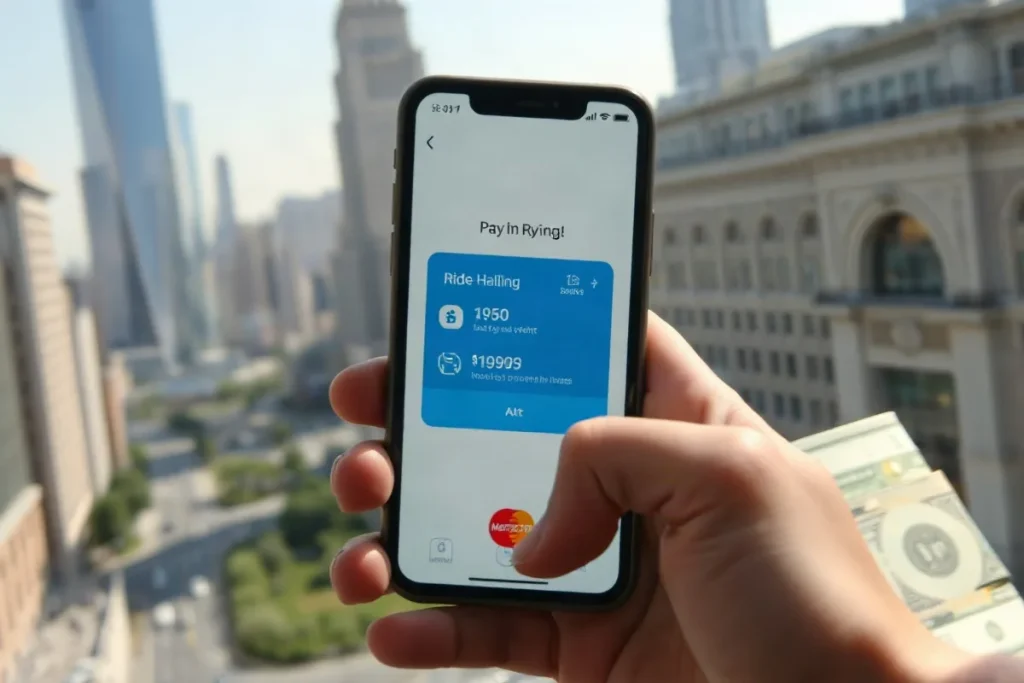
In 2026, embedded finance is no longer a futuristic concept but a transformative force quietly revolutionizing how consumers interact with everyday banking. By seamlessly integrating financial services into non-financial platforms and apps, embedded finance removes traditional barriers, making banking more intuitive, accessible, and personalized. This shift is changing the landscape of personal finance, from payments and lending to insurance and investments, all without customers needing to visit a bank or open a separate financial app.
The impact of embedded finance extends beyond convenience. It is reshaping the customer experience by embedding financial tools directly within the digital ecosystems people already use daily—whether shopping online, booking travel, or managing business operations. As a result, everyday banking becomes more embedded in routine activities, creating new opportunities for financial inclusion and smarter money management. Understanding how embedded finance works and its implications is essential to grasp the future of banking in 2026 and beyond.
| Industry | Common Embedded Finance Products | Leading Providers | Primary Benefits |
|---|---|---|---|
| Ride-Hailing | Branded credit cards, integrated payments | Uber, Lyft, Visa | Seamless payments, customer loyalty |
| E-commerce | Buy-now-pay-later, payment gateways | Shopify, Klarna, Visa | Checkout convenience, higher conversion |
| SMB Software | Treasury management, lending | Visa, Intuit, Square | Cash flow management, financing access |
| Subscription Services | Embedded insurance, installment plans | Netflix, Peloton, Stripe | Reduced churn, flexible payments |
What is embedded finance and how is it integrated into non-financial platforms?
Definition
Embedded finance is the integration of financial services such as payments, lending, and banking directly into non-financial digital platforms, enabling users to access these services without leaving their primary app or website. This integration allows companies outside traditional banking to offer financial products seamlessly within their existing user experience, expanding reach and convenience. According to PwC, embedded finance involves incorporating digital banking and related financial products into nonbanking companies’ ecosystems, which can include invoicing, payroll, or e-commerce platforms. By 2026, embedded finance solutions have grown to represent a multi-billion-dollar market segment, with some industry estimates projecting the embedded finance market size to surpass $230 billion globally. This approach shifts financial transactions from standalone banking apps to everyday platforms, enhancing user engagement and reducing friction in financial activities.
Examples of integration
Companies like Uber have successfully embedded payment and credit services into their app, allowing millions of users worldwide to pay for rides and order food without switching to separate payment apps. Similarly, Visa offers embedded finance solutions that enable businesses to integrate treasury management and lending services directly within their software. For instance, Visa’s Treasury Management API facilitates real-time cash flow monitoring and automated payments within corporate platforms, streamlining liquidity management. These integrations typically involve financial products such as branded credit cards, instant lending with credit limits ranging from $500 to $10,000, and digital wallets embedded in apps. Key criteria for successful embedded finance implementations include compliance with regulations like PSD2 in Europe and strong security protocols to prevent fraud, ensuring that financial services remain reliable and trustworthy within non-financial environments.
- Market size projection: over $230 billion globally by 2026
- Credit limit range in embedded lending: $500 to $10,000
- Compliance standards: PSD2 (Europe), PCI DSS for payment security
- Examples: Uber’s integrated payment system, Visa’s Treasury Management API
How does embedded finance enhance customer experience and banking accessibility?
Customer convenience
Embedded finance enhances customer experience by allowing financial services to be accessed directly within everyday digital platforms, eliminating the need for separate banking apps or branch visits. For example, a consumer shopping on an e-commerce site can instantly apply for and use a branded credit card issued through a bank-partnered embedded finance solution, such as Pathward’s collaboration with retail platforms that offer credit lines up to $5,000 at point of sale. This integration streamlines workflows and reduces friction, as reported by G+D, by shifting banking interactions from traditional bank interfaces to familiar apps. The result is a smoother, faster process where payments, lending, and account management happen seamlessly in one place, saving users an average of 4 to 6 minutes per transaction compared to standalone banking apps.
Banking ubiquity
Embedded finance makes banking services ubiquitous by embedding them into digital environments that customers already use, enabling real-time financial interactions whenever needs arise. IBM highlights how banks leveraging embedded finance can provide instant credit approvals or payment solutions within platforms, making banking effectively “everywhere and every day.” This approach expands banks’ customer reach without the cost of new branches or infrastructure, allowing institutions to serve millions more customers efficiently. For instance, banks partnering with fintech platforms have increased their active customer base by up to 30% within 12 months, while reducing onboarding time from days to minutes. Key factors driving this accessibility include:
- Integration with platforms like Shopify or Uber, facilitating payments and financing at checkout.
- Instant credit decisions powered by AI algorithms, reducing approval times to under 60 seconds.
- Embedded compliance and fraud prevention systems maintaining security without disrupting user experience.
What are the business benefits and challenges banks face with embedded finance?
Growth potential
Embedded finance offers banks significant growth opportunities by allowing them to integrate financial services directly into popular digital ecosystems where customers spend considerable time, such as e-commerce platforms and ride-sharing apps. For example, banks partnering with technology firms to issue branded credit cards can access new customer segments without investing in costly infrastructure—PwC highlights that this approach can reduce setup costs by up to 40%. Additionally, by embedding lending or payment solutions into existing apps, banks can increase transaction volumes and tap into markets with higher digital engagement, potentially expanding their customer base by 15-25% within two years.
Operational challenges
Banks face several operational challenges with embedded finance, particularly margin pressure and revenue volatility as they often operate invisibly behind third-party platforms. G+D notes that this invisibility risks banks becoming commoditized, which can compress profit margins below sustainable levels, especially when competing with fintechs offering low-cost services. Moreover, maintaining robust security and fraud prevention is critical; banks must implement advanced, behind-the-scenes measures compliant with standards such as PCI DSS and PSD2 to protect customers from increasing cyber threats. Failure to do so could result in longer fraud detection times—currently averaging 24-48 hours—leading to financial losses and reputational damage.
- Cost reduction: Up to 40% savings by avoiding new infrastructure (PwC)
- Customer base growth: 15-25% increase over two years through embedded partnerships
- Security standards: Compliance with PCI DSS and PSD2 mandatory
- Fraud detection time: 24-48 hours average for current embedded finance setups
Which industries are leading embedded finance adoption and what products are common?
Industry sectors
E-commerce and ride-hailing platforms are at the forefront of embedded finance adoption in 2026, integrating financial services directly into their digital ecosystems. For example, Uber and Lyft offer branded credit cards embedded within their apps, allowing users to earn ride-specific rewards while managing payments seamlessly. Retailers also widely embed buy-now-pay-later (BNPL) options at checkout, a product that has grown by over 40% in transaction volume since 2024, enabling consumers to split purchases into interest-free installments. Additionally, small and medium-sized business (SMB) software providers increasingly incorporate treasury management and lending services, with Visa powering many of these embedded commercial finance solutions. This integration supports SMBs by simplifying cash flow management and providing credit lines without requiring separate banking interactions.
Popular embedded products
Embedded finance products commonly found in 2026 include payment processing, credit cards, BNPL, treasury services, and insurance offerings. Subscription services are notable adopters of embedded insurance and payment plans, which help retain customers by reducing friction in billing and claims processes. BNPL solutions, often ranging from $50 to $2,000 per transaction, are especially popular in retail and e-commerce sectors. Treasury management tools embedded in SMB platforms typically offer real-time cash flow tracking and automated payment scheduling, improving operational efficiency. Ride-hailing credit cards frequently provide cashback rewards of 2-5% on transportation spending, directly incentivizing app usage. These embedded products collectively enhance convenience, foster loyalty, and expand financial access within everyday digital experiences.
What are the limitations and risks associated with embedded finance implementations?
Brand invisibility
One major limitation of embedded finance is the risk that banks become invisible to consumers, losing direct brand recognition as their services are integrated into third-party platforms. According to an analysis by Giesecke+Devrient (G+D), this shift can dilute banks’ brand presence, as customers interact primarily with apps like Uber or Shopify rather than the financial institution itself. This invisibility can erode customer loyalty and reduce opportunities for cross-selling, with G+D highlighting that up to 45% of consumers may not realize which bank underpins their embedded financial products. Furthermore, revenue models become volatile because banks increasingly depend on platform partnerships whose terms can change rapidly, as seen in the fintech sector where partnership agreements often last less than three years and commission rates fluctuate between 5% and 15% of transaction values.
Security and compliance risks
Embedded finance expands the potential attack surface beyond traditional banking apps, necessitating robust yet seamless security measures. Providers must protect against fraud and cyber threats across multiple platforms, which complicates the implementation of standards such as the Payment Card Industry Data Security Standard (PCI DSS) and the General Data Protection Regulation (GDPR). For instance, nonbank platforms embedding financial services may lack the sophisticated fraud detection capabilities of established banks, increasing vulnerability. Additionally, regulatory compliance becomes more complex as embedded finance providers must navigate varying jurisdictional requirements; a financial service embedded in a U.S.-based e-commerce platform must comply simultaneously with U.S. federal laws like the Bank Secrecy Act and state-level regulations such as California’s Consumer Privacy Act (CCPA). This multilayered compliance environment demands continuous monitoring and adaptation, raising operational costs and legal risks significantly.
Frequently asked questions
How does embedded finance differ from traditional digital banking?
Can small businesses benefit from embedded finance?
What security measures protect embedded finance users?
Why might banks face margin pressure with embedded finance?
Key takeaways
- Embedded finance integrates financial services into everyday non-financial apps like Uber and retail platforms.
- It improves banking accessibility by serving consumers within platforms they already use, without separate banking steps.
- Banks gain growth by partnering with platforms but face risks of invisibility and revenue volatility.
- Common embedded products include branded credit cards, BNPL, and embedded treasury solutions.
- Security, fraud prevention, and complex regulatory compliance remain key challenges.
Sources
- G+D Spotlight — “Embedded Finance: Stay Visible & Secure”
- Pathward — “How Embedded Finance Is Transforming the World of Consumer Banking”
- IBM — “Embedded finance”
- PwC — “Embedded finance”
- Visa — “Embedded finance: Powering seamless business experience”
Topic guide: Banking: The Complete Guide