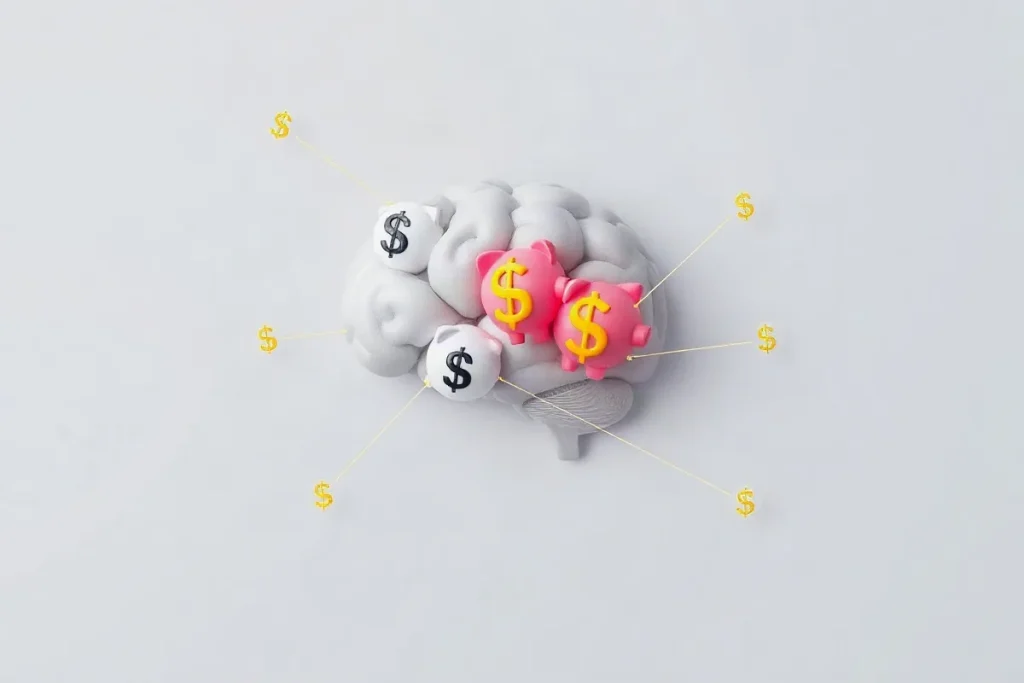
In 2026, the forces driving how we spend and save money go far beyond simple budgets and income levels. Psychology plays a crucial role in shaping financial habits, influencing decisions that can lead to either financial security or persistent money stress. Understanding these psychological factors helps explain why some people consistently save for the future, while others struggle to resist impulsive spending.
From emotional triggers to cognitive biases, the mental frameworks that govern our relationship with money impact everything from daily purchases to long-term investment strategies. As financial products and technologies evolve, the interplay between psychology and money management becomes even more significant, offering fresh insights into how individuals can harness their mindset to build healthier financial habits in 2026.
| Intervention | Description | Effectiveness | Example |
|---|---|---|---|
| Automatic Savings | Scheduled transfers to savings account | Up to 20% increase in savings | Acorns app |
| Commitment Devices | Saving with penalties or bonuses | Up to £1,200 bonus over 4 years | UK Help to Save scheme |
| Financial Education | Workplace programs on money management | 12% higher saving rates | Employer-sponsored courses |
What cognitive biases most influence spending habits in 2026?
Key biases driving consumer behavior
Anchoring bias prominently shapes spending habits in 2026 by causing consumers to fixate on the initial price they encounter, which influences their perception of value in subsequent deals. For instance, the Apple iPhone 15 starts at $799 this year, and shoppers often judge discounts or alternative offers relative to this baseline, sometimes paying more than they otherwise would. This bias affects a wide range of products beyond tech, anchoring expectations and limiting price sensitivity.
Present bias also strongly impacts spending patterns by prioritizing immediate gratification over long-term financial goals. This tendency is evident in US retail data showing impulse purchases averaging around $50 per transaction, often on everyday convenience items or trending gadgets. Consumers frequently opt for instant rewards, undermining saving efforts and contributing to short-term financial stress.
Social proof bias drives many consumers’ spending, especially through social media platforms like TikTok and Instagram. Sponsored posts promoting fast fashion brands priced under $100 capitalize on peer influence, encouraging purchases based on perceived popularity rather than necessity. This effect amplifies spending on trendy items, as users emulate peers and influencers, reinforcing consumption cycles centered on social validation.
How do emotional triggers affect retail therapy and financial stress?
Emotions and spending cycles
Emotional triggers significantly drive retail therapy, particularly during high-stress periods like the 2026 holiday season, when consumer credit card debt increases by an average of 7% in November and December. During such times, shoppers often turn to impulse buys as a coping mechanism, with 62% of surveyed adults in the US admitting to making purchases worth around $120 monthly to improve their mood. These emotional spending patterns contribute to the cyclical rise in demand for comfort-oriented products, evident in the 15% seasonal sales growth reported by major retailers such as Amazon and Walmart in categories like apparel and electronics.
Retail therapy’s impact on financial stress is compounded by the tendency to prioritize immediate emotional relief over long-term financial health. This is reflected in the typical monthly impulse spending amount of $120, which can accumulate rapidly, especially when paired with rising credit card balances during peak retail seasons. Consumers often face a trade-off between the temporary boost retail therapy provides and the gradual increase in debt that follows. Key factors influencing this behavior include:
- Average impulse purchase amount: $120 per month
- Seasonal credit card debt increase: 7% in November-December 2026
- Retailers’ category growth: 15% in apparel and electronics during holidays
What behavioral interventions improve saving behavior?
Effective strategies to boost saving
Automatic savings plans have proven highly effective in increasing saving rates, with fintech apps like Chime and Acorns leading the way in 2026. These platforms enable users to set up recurring transfers or round up purchases to the nearest dollar, channeling the difference into savings accounts without requiring active effort. As a result, monthly savings rates among their users have risen by up to 20%, demonstrating how removing the need for conscious action can significantly improve saving behavior.
Commitment devices and targeted financial education also play crucial roles in fostering disciplined saving habits. The UK’s Help to Save scheme, which offers a government bonus of up to £1,200 over four years, incentivizes low-income savers to build financial resilience by locking in regular deposits. Meanwhile, workplace financial education programs integrated into employee benefit packages have boosted saving rates by approximately 12% among workers aged 25 to 40. These initiatives combine structured incentives with knowledge-building, empowering individuals to make better saving decisions over the long term.
- Chime and Acorns: automatic savings plans increasing monthly savings by up to 20%
- Help to Save scheme (UK): up to £1,200 government bonus over four years
- Workplace financial education: 12% increase in saving rates for employees aged 25-40
When do psychological factors lead to poor financial decisions?
Common pitfalls in spending and saving
Psychological factors lead to poor financial decisions when biases and emotions distort rational evaluation of costs and risks. For example, overconfidence bias causes 45% of Americans in 2026 surveys to underestimate household expenses by at least 10%, resulting in chronic underbudgeting and financial shortfalls. This gap between expectation and reality often triggers last-minute borrowing or credit card debt. Similarly, loss aversion discourages many investors from allocating funds to stocks despite the historical average annual return of about 7%, limiting their long-term wealth accumulation and exposing them to inflation risk. This fear of losing principal leads to overly conservative portfolios that underperform inflation-adjusted benchmarks over time.
Emotional responses during market turbulence also impair financial judgment. The early 2026 tech sector downturn saw retail investors panic sell approximately $15 billion in equities within weeks, locking in losses and missing subsequent rebounds. This behavior reflects how anxiety and fear override disciplined strategies, undermining returns. To counteract these effects, behavioral interventions such as setting predefined selling thresholds, practicing systematic investing, and using automated contributions can help investors maintain composure and avoid costly mistakes.
- Household budget underestimation threshold: 10%
- Stock market average annual return: 7%
- Retail investor panic selling in early 2026 tech dip: $15 billion
How do social comparisons influence long-term financial health?
Social factors affecting money management
Social comparisons, especially through social media, significantly impact long-term financial health by encouraging higher discretionary spending. For example, 38% of millennials report accumulating more debt as they strive to match the lifestyles of their peers online. This tendency often leads to prioritizing immediate gratification over saving, which undermines financial stability over time. The purchase of high-end items like the Samsung Galaxy Z Fold 5, priced at $1,799, exemplifies how the fear of missing out (FOMO) drives consumers to buy expensive, trendy technology despite tight budgets. Such purchases frequently exceed planned spending limits and disrupt long-term savings goals.
Limiting exposure to social media advertising has proven effective in curbing impulsive spending. Financial well-being studies indicate that reducing such exposure can cut impulsive purchases by up to 25% over a six-month period. This suggests that behavioral interventions aimed at controlling social comparison triggers can improve financial outcomes. Key factors influencing financial health through social comparisons include:
- Debt increase among 38% of millennials due to peer pressure on social media
- High-cost tech purchases like the $1,799 Samsung Galaxy Z Fold 5 driven by FOMO
- 25% reduction in impulsive purchases after six months of limited social media ad exposure
Frequently asked questions
What is present bias and how does it affect spending?
Can automatic savings apps really increase savings?
Why does social media influence spending so much?
How can loss aversion harm my investment returns?
Key takeaways
- Cognitive biases like anchoring and present bias strongly shape spending decisions in 2026.
- Emotional triggers drive retail therapy and contribute to seasonal credit card debt spikes.
- Automatic savings and commitment devices significantly improve saving habits.
- Psychological pitfalls such as overconfidence and loss aversion can impair financial outcomes.
- Social comparisons via social media intensify impulsive spending and debt accumulation.
Sources
- smbtfinanciallyfit.com — “The Psychology Behind Spending Habits”
- cashandcoffeeclub.com — “The Psychology Behind Spending Habits: Understanding the Root of Financial Behavior”
- behaviorfacts.com — “Psychology Behind Spending Habits and Financial Decisions”
- HSA Tutoring — “The Psychology Behind Financial Choices: The Role of Cognitive Biases”
- theeconosphere.com — “The Psychology Behind Consumer Spending Habits”