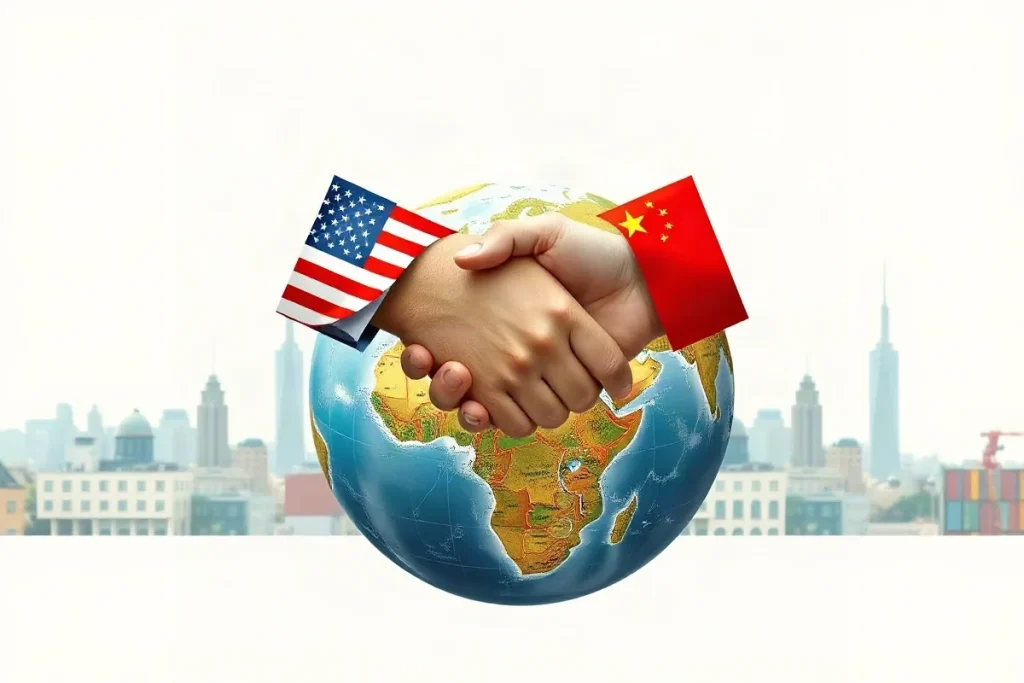
Trade Truce Extended Amid Xi Jinping’s Washington Visit
The United States and China have agreed to extend their existing trade truce for an additional two months, moving the expiration date from November 2026 to January 10, 2027. This extension coincides with Chinese President Xi Jinping’s state visit to Washington, D.C., which runs through Friday and represents a rare diplomatic thaw in the tense economic relationship between the two countries.
U.S. Treasury Secretary Scott Bessent announced the extension during an appearance on Fox News, highlighting that Beijing still has outstanding deliverables to fulfill under the truce. The original agreement, brokered between Xi and former U.S. President Donald Trump in October 2025 during a summit in South Korea, was initially set for one year but was widely anticipated to be prolonged for a longer period before this announcement.
Background and Expectations for the Truce
The original one-year trade truce aimed to reduce tariff escalations and maintain the flow of critical goods such as rare earth minerals, vital for various high-tech industries. The deal helped stabilize markets and provided some relief to companies caught in the protracted U.S.-China trade conflict. However, many analysts expected the extension to last at least six months or more.
Dong Shaopeng, a senior researcher at Renmin University of China, emphasized the importance of mutual benefit in ongoing trade discussions, suggesting the truce could see further improvements and extensions. Despite these hopes, the relatively short two-month extension signals continued U.S. dissatisfaction with China’s progress on key trade deliverables.
Industry Challenges Despite the Truce
While the truce maintains lower tariffs and rare earth exports, significant challenges remain for businesses operating between the two economies. Jens Eskelund, president of the European Chamber of Commerce in China, noted that the extension alone does not solve issues such as the inconsistent application process for rare earth export licenses, which continues to frustrate companies reliant on these materials.
Rare earths are critical for manufacturing electronics, electric vehicles, and defense technologies, making their availability a strategic concern. The lack of a standardized export license framework hinders supply chain stability, underscoring that trade tensions are far from fully resolved despite the truce extension.
Diplomatic Signals and Summit Meetings
Xi Jinping’s visit to Washington is accompanied by top Chinese officials, including Politburo Standing Committee Member Cai Qi and Foreign Minister Wang Yi, indicating the high-level nature of talks. The official Chinese statement expressed confidence in achieving “fruitful results” and called for a partnership approach to manage competition and differences, although it notably omitted references to tariffs, rare earths, or artificial intelligence.
On the U.S. side, President Trump welcomed Xi and First Lady Peng Liyuan at the airport, with media coverage focusing on diplomatic gestures rather than substantive discussions. Ahead of the summit, Bessent met with Chinese Vice Premier He Lifeng in New York to discuss establishing an alert system for AI incidents, reflecting growing concerns over emerging technologies in bilateral relations.
Outlook for Future Engagements
The two-month extension leaves room for further negotiation, with potential additional meetings on the horizon. Trump’s visit to Beijing in May 2026 and upcoming international forums such as the APEC meeting in Shenzhen in November and the G20 summit in Miami in December provide multiple venues for follow-up talks.
However, the absence of Chinese tech executives at the planned U.S. tech summit dinner during Xi’s visit highlights ongoing gaps in trust and collaboration between the nations’ business sectors. Analysts like Scott Kennedy of the Center for Strategic and International Studies interpret the brief extension as a U.S. tactic to maintain pressure on China while keeping diplomatic channels open.
Takeaway: The two-month extension of the U.S.-China trade truce during Xi Jinping’s state visit signals a cautious pause in tensions but leaves substantial trade and regulatory challenges unresolved.