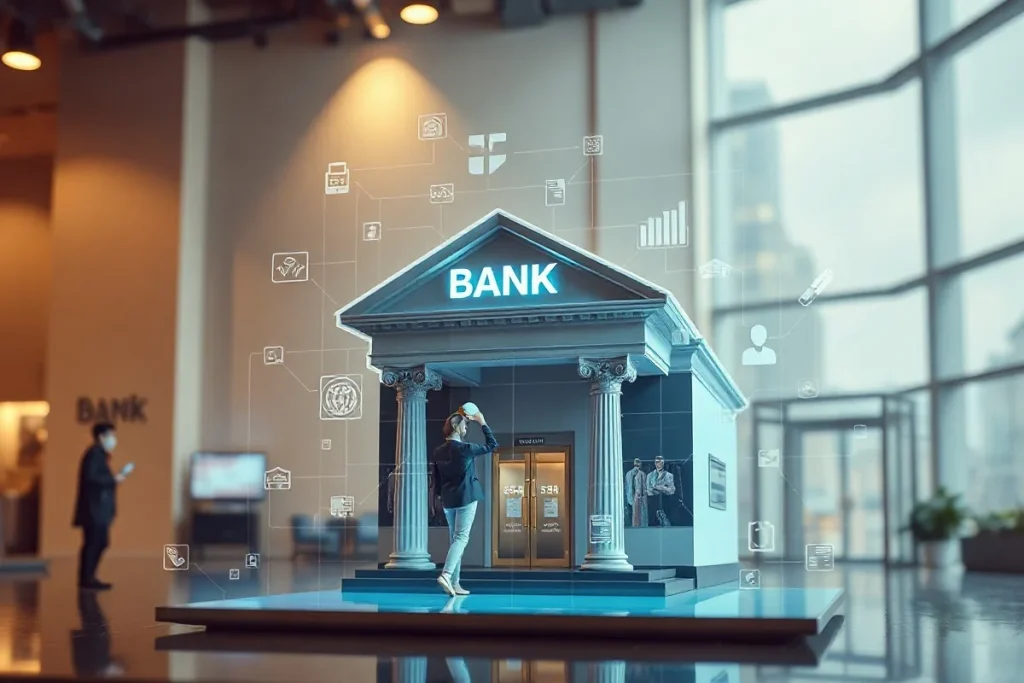
As digital banking continues to evolve, a recent study has uncovered a significant shift in consumer attitudes towards this modern financial service in 2026. With technological advancements and the growing influence of fintech, more individuals are embracing the convenience and accessibility that digital banking offers. This transformation reflects a broader trend where traditional banking practices are increasingly being replaced by innovative solutions tailored to meet the demands of today’s savvy consumers.
The study highlights that trust in digital banks is on the rise, with users citing enhanced security features and user-friendly interfaces as major contributors to their changing perceptions. As a result, more people are willing to adopt digital banking solutions for their everyday financial needs, signaling a pivotal moment in the relationship between consumers and their banks. Understanding these evolving attitudes is crucial for financial institutions looking to stay relevant in an increasingly competitive landscape.
The Rise of Hybrid Banking
The landscape of banking is undergoing a significant transformation in 2026, driven by shifting consumer preferences that increasingly favor hybrid banking models. A recent study reveals that almost half (48%) of consumers now prefer a blend of digital and physical banking options. This preference underscores a growing recognition that while digital innovations offer convenience and efficiency, the importance of traditional banking services remains paramount for many. Notably, 62% of respondents emphasize the necessity of having access to a physical branch, particularly for essential banking needs. This duality highlights the evolving expectations of consumers who seek the best of both worlds—modern technology coupled with the reliability of in-person service.
The rise of hybrid banking is particularly appealing to today’s consumers, as it aligns with their desire for flexibility and personalized experiences. Younger generations, including millennials and Gen Z, have embraced digital wallets and artificial intelligence tools to aid in their financial decision-making. These technologies have become integral to their daily lives, with over half of consumers using digital wallets at least weekly. However, the study indicates that a purely digital approach is insufficient for most consumers, as they still value the reassurance and support that comes from face-to-face interactions at bank branches. Consequently, institutions that adapt to these hybrid preferences are likely to thrive in an increasingly competitive marketplace.
As banks navigate this shift, they face the challenge of meeting rising consumer expectations for transparency and convenience. The integration of advanced technologies such as generative AI is reshaping how consumers research financial products, further emphasizing the need for banks to provide seamless experiences across both digital and physical platforms. Institutions must not only offer attractive pricing and features to attract customers but also invest in creating a cohesive banking experience that bridges the gap between digital and in-person interactions.
In summary, hybrid banking is emerging as the ideal solution for modern consumers, effectively blending the advantages of technology with the essential trust and support offered by traditional banking. As consumer attitudes continue to evolve, financial institutions must embrace this trend to ensure they remain relevant and responsive to the needs of their clients.
Younger Generations Embrace Digital Solutions
The landscape of digital banking in 2026 is marked by a significant embrace of technology among younger generations, particularly Gen Z and millennials. This shift is evident in the widespread adoption of digital wallets, which have now become a staple in the financial habits of consumers. Recent data indicates that over half of consumers utilize digital wallets at least weekly, with a notable 26% employing these tools on a daily basis. This trend underscores a growing preference for seamless and efficient payment methods that align with the fast-paced lifestyles of younger users.
In addition to digital wallets, artificial intelligence tools are becoming an integral part of financial decision-making for nearly half of consumers. This trend reflects a broader shift towards leveraging technology to enhance personal finance management. Tools like ChatGPT and other AI applications are increasingly used to navigate financial products, shifting the focus of research from traditional bank channels to more dynamic, external platforms. This evolution signifies a demand for personalized and efficient financial solutions, as consumers seek to make informed decisions with the help of advanced technology.
Interestingly, both Gen Z and millennials exhibit remarkably similar behaviors when it comes to digital banking. They are not only tech-savvy but also prioritize access to innovative services that simplify their banking experiences. While many consumers still value the presence of physical bank locations, particularly for complex transactions or personal interactions, the preference for hybrid banking models is evident. This includes a mix of digital and physical banking options, catering to the diverse needs of a consumer base that increasingly seeks convenience and transparency.
In response to these trends, banks and financial institutions are under pressure to adapt and meet the evolving expectations of their customers. As the appetite for digital solutions continues to grow, organizations must recognize the importance of integrating technology into their core offerings while also maintaining a balance with traditional services. The future of banking lies in understanding and catering to this digital-first mindset, ensuring that financial services are not only accessible but also tailored to the needs of a new generation of consumers.
Consumer Expectations: Convenience and Transparency
In 2026, consumer expectations for digital banking continue to evolve, driven by a collective demand for convenience and transparency. As digital interfaces become more integral to financial interactions, users are increasingly seeking user-friendly designs that facilitate seamless transactions. The preference for hybrid banking models highlights a desire for flexibility; nearly half of consumers appreciate the option to engage both digitally and in person. This trend signifies that while digital solutions are becoming commonplace, the physical presence of banks remains crucial for many, ensuring that customers have choices that cater to various needs and preferences.
Moreover, trust in financial institutions is closely tied to transparency. In an era where fees and transaction details are under scrutiny, consumers expect clear communication regarding costs. As a result, banks must prioritize straightforwardness in their operations, offering unequivocal details about account charges, interest rates, and service fees. This transparency fosters trust, which is essential for maintaining customer loyalty in a competitive landscape. The data indicates that consumers are increasingly scrutinizing their banking relationships, and those institutions that fail to provide clarity risk alienating their clientele.
To keep pace with these shifting expectations, banks must be agile and responsive. The emergence of digital wallets and AI-driven financial tools has transformed how consumers manage their finances, with many adopting these innovations as part of their daily routines. Over half of consumers now utilize digital wallets frequently, and a significant portion is turning to AI for assistance in financial decision-making. This trend underscores the necessity for banks to integrate advanced technologies into their services, ensuring that they not only meet but exceed consumer expectations.
In summary, the banking landscape in 2026 is characterized by a growing demand for convenience and transparency. As consumers increasingly gravitate towards hybrid banking solutions, institutions must adapt quickly to these evolving preferences, focusing on enhancing user experience and fostering trust through clear communication. Failure to adapt may lead to a loss of relevance in an ever-competitive market.
The Role of AI in Banking
In 2026, the integration of generative artificial intelligence (AI) into banking is profoundly transforming consumer behavior regarding financial product research. Nearly half of consumers report having utilized AI platforms such as ChatGPT to receive financial guidance, indicating a significant shift in how individuals approach their financial decisions. This trend highlights a growing preference for personalized, immediate information that AI tools can provide, in contrast to traditional banking channels. As consumers increasingly turn to external platforms for advice, banks are faced with the challenge of adapting to this new landscape, where they must compete not only with each other but also with the AI systems that are now influencing consumer choices.
The implications of this shift are multifaceted. On one hand, the convenience and accessibility of AI-driven financial advice can enhance consumer engagement and streamline the decision-making process. However, this movement away from bank-owned channels poses significant challenges for financial institutions. They must now work to regain consumer trust and demonstrate their value amidst a proliferation of information sources. As the preferences of younger generations, particularly Gen Z and millennials, lean heavily towards digital solutions, banks must also consider how to blend their services with the AI capabilities that consumers increasingly favor.
In this evolving landscape, banks are encouraged to rethink their strategies to maintain relevance. Emphasizing transparency, personalization, and the unique advantages of human interaction may be key in appealing to consumers who appreciate both digital and physical banking options. With a significant portion of the population still valuing access to physical locations, a hybrid banking model could be essential for institutions aiming to meet diverse consumer expectations in 2026 and beyond. As the role of AI continues to expand within the financial sector, banks must navigate these changes carefully, ensuring they leverage technology while still providing the trust and support that consumers seek.
Market Drivers for Neobanks
As consumer preferences evolve, neobanks are becoming increasingly attractive, largely due to their lower fees and competitive pricing. In 2026, a significant number of consumers cite these financial advantages as critical factors in their decision to choose neobanks over traditional banks. With 24% of respondents highlighting lower costs as a primary reason for their banking choices, neobanks are successfully tapping into a market that values affordability. This trend is indicative of a broader shift where consumers are no longer willing to pay hefty fees for basic banking services, pushing traditional banks to reconsider their pricing strategies in order to remain competitive.
In addition to cost considerations, neobanks are leveraging innovative features and gamified financial tools to enhance customer retention. With 14% of users indicating that attractive day-to-day banking features are essential, neobanks have the opportunity to engage consumers in a more interactive and rewarding manner. Tools that gamify saving, budgeting, and investing not only make financial management more enjoyable but also encourage users to remain committed to their neobank accounts. By fostering an engaging experience, neobanks are reshaping the expectations consumers have for their banking services, moving away from the traditional, static offerings that have long defined the sector.
Moreover, as younger generations increasingly adopt digital wallets and AI-driven financial decision-making tools, neobanks are positioned at the forefront of this transformation. With over half of consumers now using digital wallets regularly and nearly half utilizing AI to assist in choosing financial products, neobanks are integrating these technologies to create seamless, user-friendly experiences. This ability to adapt to the digital landscape not only attracts new customers but also builds loyalty among existing ones.
Ultimately, the rise of neobanks signals a fundamental shift in the banking landscape, as they continue to challenge traditional institutions by delivering lower prices, innovative features, and a digital-first approach that meets the evolving demands of consumers in 2026.
Challenges Facing Traditional Banks
As consumer preferences evolve in 2026, traditional banks find themselves at a crossroads, facing significant challenges in a landscape increasingly dominated by digital banking solutions. While a sizable portion of the population still values the presence of physical branches—48% prefer a hybrid banking model that combines both digital and physical options—there is mounting pressure for banks to modernize their offerings. A staggering 62% of respondents in recent studies deem access to a physical location as very important or essential, highlighting that while consumers appreciate digital capabilities, they are not ready to abandon traditional banking entirely.
This delicate balance presents a considerable challenge for established institutions. On one hand, they must invest in enhancing their digital platforms to meet rising expectations for convenience and transparency. On the other, they need to maintain physical locations to cater to customers who still value in-person interactions for certain services. The integration of advanced technologies such as AI tools into their service offerings is becoming increasingly critical. Nearly half of consumers have begun using AI-assisted platforms to guide their financial decisions, which signifies a shift away from traditional bank-centric research channels.
Moreover, the competitive landscape is becoming more daunting as fintech companies and digital-only banks continue to capture market share. These agile entities are often able to offer lower fees and more attractive day-to-day banking features, appealing particularly to younger demographics who are growing accustomed to seamless digital experiences. Traditional banks that fail to innovate risk losing ground to these nimble competitors, which could lead to a significant erosion of their customer base.
For banks to thrive in 2026 and beyond, they must adopt a multifaceted approach to their business strategies, focusing on:
- Investing in technology to streamline digital offerings while maintaining physical branches.
- Enhancing customer service through AI and personalized financial guidance.
- Creating competitive pricing structures to attract cost-conscious consumers.
- Implementing gamified finance tools to engage and retain younger customers.
In this rapidly changing environment, traditional banks must be proactive in their strategies, ensuring they adapt to the needs and preferences of a consumer base that increasingly favors a blend of digital convenience and traditional reliability.
The Future of Banking: Predictions for 2027 and Beyond
As we look ahead to 2027 and beyond, the banking landscape is poised for significant transformation, driven primarily by evolving consumer preferences and technological advancements. The hybrid banking model, which combines both digital and physical services, is expected to gain further traction. In 2026, a notable 48% of consumers expressed a preference for this blended approach, highlighting the importance of maintaining access to brick-and-mortar branches while also enjoying the convenience of digital platforms. This trend suggests that banks will need to innovate continually, offering seamless integration between their physical locations and online services to cater to the diverse needs of their clientele.
The integration of artificial intelligence and blockchain technologies will play a crucial role in reshaping financial services. As generative AI tools become more prevalent, nearly half of consumers are already utilizing them to assist in financial decision-making. This shift indicates a growing demand for personalized banking experiences that leverage AI to provide tailored advice and recommendations. Additionally, blockchain technology promises enhanced transparency and security in transactions, which will be imperative as consumers increasingly seek trustworthy financial institutions. Banks that can harness these technologies effectively will likely emerge as leaders in the industry.
To remain relevant amid these changes, banks must prioritize personalization and the cultivation of consumer trust. As younger generations, particularly Gen Z and millennials, continue to dominate the market, they bring with them heightened expectations for transparency, convenience, and engagement. These digital natives are increasingly inclined to use digital wallets and AI-driven tools, emphasizing the need for banks to adapt their strategies accordingly. Building a strong rapport with customers through personalized services, clear communication, and reliable support will be essential for fostering loyalty in an increasingly competitive landscape.
In summary, the future of banking will be characterized by a blend of hybrid services, cutting-edge technologies, and a relentless focus on personalization. As consumer attitudes continue to evolve, financial institutions that embrace these trends and adapt to the changing landscape will be well-positioned for success in 2027 and beyond.
Frequently asked questions
What is hybrid banking?
Why are younger consumers favoring digital wallets?
How important is transparency in banking?
What challenges do traditional banks face in 2026?
What role does AI play in consumer banking?
Key takeaways
- Hybrid banking is the preferred model for most consumers in 2026.
- Younger generations are leading the shift towards digital wallets and AI tools.
- Transparency and convenience are key expectations for modern banking.
- Neobanks are gaining traction due to lower fees and innovative features.
- Traditional banks must innovate to retain customers in an evolving market.
Sources
Raisin, mx.com, store.mintel.com, Deloitte Insights, oliverwyman.com
Topic guide: Banking: The Complete Guide