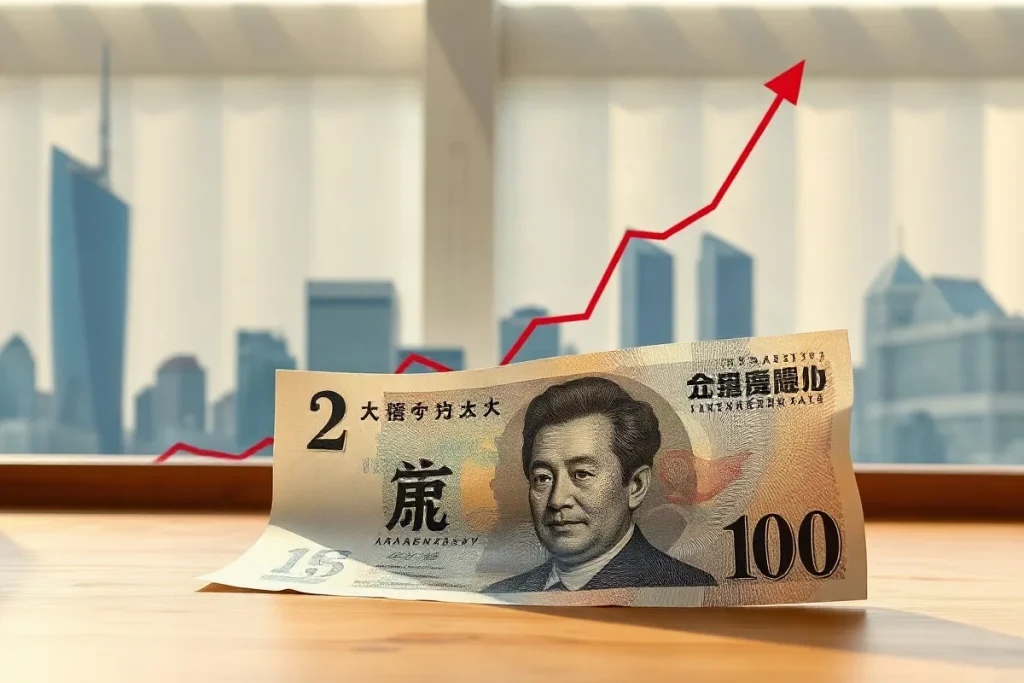
Bank of Japan Raises Rates for First Time in Decades
On September 18, 2026, the Bank of Japan (BoJ) announced a 0.25 percentage point increase in its benchmark interest rate, marking its first rate hike since the 1990s. This move ends the BoJ’s prolonged period of near-zero and negative interest rates that aimed to stimulate Japan’s economy. The decision signals Japan’s alignment with global monetary tightening trends as inflation pressures build domestically and abroad.
The BoJ’s policy rate now stands at 0.25%, up from the previous -0.00% level, reflecting a cautious but definitive shift in approach. This rate hike is significant because Japan has maintained ultra-loose monetary policy throughout the 2010s and early 2020s, even as major central banks like the Federal Reserve and European Central Bank began raising rates years ago.
Background of Japan’s Ultra-Loose Monetary Policy
Since the early 1990s, after the bursting of its asset price bubble, Japan has struggled with low inflation and sluggish economic growth. The BoJ adopted unconventional policies, including negative interest rates introduced in 2016 and large-scale asset purchases, to boost inflation toward its 2% target. The rate hike in 2026 ends over three decades of near-zero or negative rates.
Despite these efforts, inflation in Japan remained subdued compared to other advanced economies until recently. However, by mid-2026, inflation had risen to around 3%, driven by global commodity price increases and supply chain disruptions. This rise has placed pressure on the BoJ to reconsider its monetary stance to prevent overheating and financial imbalances.
Global Monetary Tightening Context
The BoJ’s rate increase follows a global wave of monetary tightening that began in 2022 after years of easy policy to counter the COVID-19 pandemic’s economic fallout. By 2026, central banks such as the U.S. Federal Reserve and the European Central Bank have raised rates multiple times, with U.S. rates reaching 5.5% and ECB rates at 4.0%.
This coordinated tightening aims to reduce inflation that surged worldwide due to pandemic-related disruptions and geopolitical tensions. The BoJ’s move is notable because it breaks with Japan’s long-standing ultra-loose stance, signaling recognition of similar inflationary pressures and the need to stabilize its currency, the yen, which has weakened significantly against the dollar in recent years.
Implications for Japanese Economy and Markets
Raising rates will increase borrowing costs for businesses and consumers in Japan, potentially slowing investment and spending. However, it may also help cool inflation and stabilize financial markets, which have seen volatility related to currency fluctuations and global interest rate changes.
Japanese government bond yields, which had been near zero or negative for years, are expected to rise, impacting public debt servicing costs. The BoJ holds over 40% of Japan’s government bonds, and its policy shift could trigger market adjustments. The corporate sector, particularly export-oriented firms, may face challenges as the yen’s value adjusts and financing costs rise.
Stakeholder Reactions and Future Outlook
The BoJ’s governor emphasized that the rate hike is a cautious step reflecting improving economic conditions and the need to address inflation. Financial markets responded with increased volatility, with the yen strengthening by around 2% against the U.S. dollar immediately following the announcement.
Looking ahead, the BoJ signaled that future rate moves would depend on inflation trajectories and economic performance, suggesting a gradual approach to tightening. Analysts expect this policy shift to influence global monetary dynamics, as Japan’s economy is the world’s third largest and its central bank’s actions impact international capital flows.
Takeaway: The Bank of Japan’s first rate hike in decades marks a historic policy reversal, aligning Japan with global efforts to combat inflation and signaling a new era for its monetary strategy.
