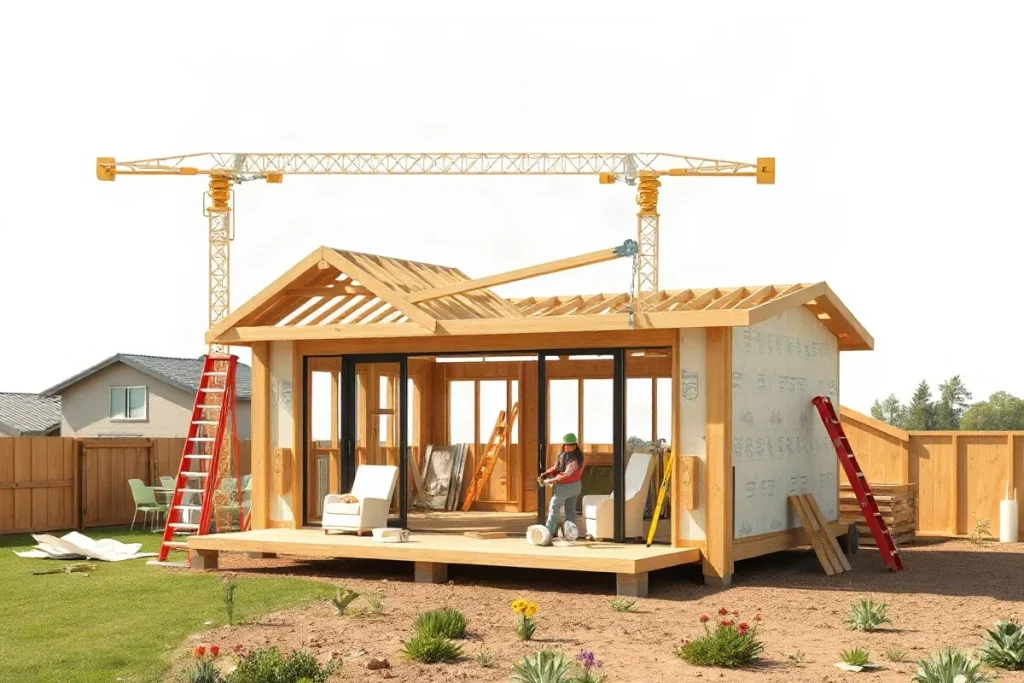
As housing shortages continue to plague urban areas across the globe, innovative solutions are being sought to address the growing demand for affordable living spaces. Among these solutions, modular homes are gaining significant traction, offering a practical and efficient alternative to traditional construction methods. With their ability to be built swiftly and at a lower cost, modular homes are emerging as a compelling answer to the pressing housing crisis of 2026.
Increasing interest in modular homes reflects a broader shift towards sustainable and adaptable living solutions. As more consumers and investors recognize the benefits of modular construction—such as reduced waste and enhanced energy efficiency—their popularity is expected to soar. This article explores the various factors driving the rise of modular homes and how they might play a critical role in alleviating the housing shortages faced by many communities today.
Understanding Modular Homes
Modular homes are prefabricated structures that are built in sections, or modules, in a factory setting before being transported to a designated site for assembly. This process stands in stark contrast to traditional home construction, which typically takes place entirely on-site. While conventional homes are constructed using a series of labor-intensive steps that can span several months to years, modular homes can reduce construction timelines by up to 50 percent, allowing homeowners to move in sooner. As the housing market grapples with persistent shortages and rising construction costs in 2026, many buyers are turning to modular solutions as a viable and cost-effective alternative.
The construction of modular homes involves several key phases. Initially, the modules are manufactured in a controlled factory environment, where builders can maintain high standards of quality and efficiency. Each module is constructed using the same materials and building codes as traditional homes, ensuring that durability and safety are not compromised. Once the modules are complete, they are transported to the building site, where they are assembled and finalized with utilities and finishing touches. This streamlined process not only expedites the timeline but also minimizes weather-related delays that can plague traditional construction methods.
Despite the growing popularity of modular homes, there are several misconceptions that can deter potential buyers. One common concern is related to the durability and quality of these homes. Many people mistakenly believe that modular homes are inferior to those built on-site. However, the reality is that modular homes are constructed to the same rigorous standards as traditional homes, using comparable materials and adhering to local building codes. Additionally, the controlled environment of a factory allows for greater precision and quality control, often resulting in a more robust final product.
In summary, modular homes present a flexible and efficient solution to the pressing housing shortages in 2026. By addressing misconceptions about quality and durability, and by educating potential homeowners about the construction process, the modular housing market can continue to grow and meet the needs of a diverse range of buyers.
The Current Housing Crisis
The housing crisis continues to escalate in urban areas across the United States in 2026, presenting significant challenges for potential homebuyers and renters alike. A combination of factors has led to this ongoing shortage, with rising construction costs and a diminishing pool of skilled labor being at the forefront. As demand for housing surges, the ability to deliver affordable and timely construction remains hampered, exacerbating the lack of available homes in many metropolitan regions.
One of the primary drivers of the current housing crisis is the skyrocketing cost of construction materials, which has made traditional building methods increasingly prohibitive. Lumber prices, alongside other essential materials, have fluctuated dramatically, resulting in projects being delayed or scrapped altogether. Additionally, the construction industry faces a severe shortage of skilled workers, further complicating efforts to meet housing demands. As fewer homes are built, the gap between supply and demand continues to widen, leading to increased competition and soaring prices in the real estate market.
The implications of this housing shortage are significant, particularly concerning affordability. Many potential homebuyers are being priced out of the market, leading to a surge in rental demand and further driving up prices. The struggle to find affordable housing is no longer limited to low-income families; even middle-class individuals are finding themselves unable to secure homes without overextending their financial resources. This situation has resulted in a heightened interest in alternative housing solutions, such as modular homes, which offer a more cost-effective and quicker pathway to homeownership.
Modular homes are emerging as a viable solution to the persistent housing crisis, providing flexibility and affordability in a market that desperately needs it. With construction timelines reduced by up to 50 percent, modular homes allow buyers to move in sooner, alleviating some of the financial burdens associated with prolonged financing. As awareness of the benefits of modular construction spreads, it is becoming increasingly recognized as a practical response to the pressing issues in the housing market.
In summary, the ongoing housing crisis in urban areas in 2026 is a multifaceted problem driven by rising construction costs, a lack of skilled labor, and an increasing demand for affordable housing. Modular homes present a promising solution, offering a faster and more economical approach to addressing the urgent need for housing in today’s competitive market.
Cost-Effectiveness of Modular Homes
The cost-effectiveness of modular homes is becoming increasingly apparent, particularly as housing shortages continue to escalate in 2026. One of the most significant advantages of modular construction is the lower overall construction costs compared to traditional building methods. Modular homes are constructed in sections in a factory setting, which allows for economies of scale in materials and labor. This streamlined process can reduce construction timelines by as much as 50 percent, enabling buyers to move into their homes sooner and consequently lowering the duration of financing costs associated with construction loans.
Moreover, the savings extend beyond the initial purchase price. With quicker construction times, buyers can avoid the burden of extended financing, which can accumulate substantial interest over time. This efficiency means that modular homes not only offer a more affordable entry point for new homeowners but also mitigate the financial risks associated with delayed project completions that often plague traditional construction. As a result, buyers can achieve greater financial stability sooner than they might with conventional homes.
In addition to immediate savings, modular homes also promise long-term financial benefits. Many of these homes are designed with energy efficiency in mind, utilizing modern insulation and energy-saving technologies that can significantly reduce utility bills over time. This focus on sustainability not only lowers the cost of living for homeowners but also aligns with growing environmental consciousness among buyers.
Furthermore, maintenance costs tend to be lower for modular homes. Since they are built using the same high-quality materials as traditional homes and often adhere to the same building codes, they can offer comparable durability. As such, the long-term ownership costs associated with modular homes may be more manageable, making them an appealing choice for those looking to navigate the complexities of the housing market in 2026.
In summary, the cost-effectiveness of modular homes positions them as an attractive solution to the ongoing housing crisis. By offering reduced construction timelines, lower financing costs, and long-term savings through energy efficiency and maintenance, these homes are increasingly seen as a viable alternative to traditional housing options.
Speed and Efficiency in Construction
The rise of modular homes represents a significant evolution in the construction industry, particularly in addressing the pressing issue of housing shortages. One of the most compelling advantages of modular construction is its ability to reduce build times by as much as 50 percent compared to traditional construction methods. This accelerated timeline allows homeowners to move into their new residences much sooner, alleviating the financial burden of prolonged financing costs and the uncertainty that often accompanies lengthy construction projects.
Factory conditions play a crucial role in the efficiency and quality assurance of modular homes. Built in controlled environments, these homes benefit from standardized processes that minimize the risk of delays caused by unpredictable weather or site conditions. Strict quality control measures ensure that each module is constructed to high standards, using the same materials and adhering to the same building codes as conventional homes. This consistency not only enhances the durability and aesthetics of the homes but also builds trust among buyers who may have concerns about the quality of modular construction.
Several case studies illustrate the successful implementation of modular homes in rapid construction projects. For instance, a recent initiative in a major urban area showcased how a series of modular complexes were erected in just a few months, providing critical housing for low-income families. The project, completed under budget and ahead of schedule, demonstrated the scalability and adaptability of modular designs, which can be customized to meet diverse community needs. Similarly, a high-profile redevelopment project utilized modular technology to replace outdated structures with modern, efficient housing units, further highlighting the potential of modular homes to contribute to urban renewal efforts.
As the demand for affordable housing continues to rise, the modular construction approach offers a viable and effective solution. With its emphasis on speed, efficiency, and quality, this method not only addresses immediate housing needs but also sets a foundation for sustainable growth in the housing market. The growing interest in modular homes reflects a broader shift toward innovative building practices that prioritize both economic feasibility and community well-being.
Flexibility and Scalability of Modular Solutions
Modular homes are gaining traction as an effective response to both immediate and long-term housing demands in 2026. Their inherent flexibility allows them to adapt to various scenarios, making them particularly useful for addressing short-term housing shortages. For example, modular units have increasingly been deployed in temporary housing situations, such as disaster relief efforts or for accommodating workers in areas experiencing economic booms. These homes can be constructed and delivered quickly, significantly reducing the time it takes to provide shelter for those in need. The rapid construction timelines—often reduced by up to 50 percent compared to traditional building methods—enable communities to respond swiftly to housing crises, minimizing the stress on local resources and infrastructures.
In addition to their role in temporary housing, modular homes offer scalable designs that cater to the diverse needs of buyers. These structures can be customized to fit a range of preferences and requirements, from single-family units to larger multi-family complexes. This scalability means that developers can tailor designs to specific market demands, whether that involves creating affordable units for low-income families or more upscale offerings for buyers looking for modern amenities. The modular approach not only promotes efficiency but also enhances sustainability, as builders can utilize materials more effectively and reduce waste during construction.
The growing interest in modular housing is further fueled by the potential for long-term investment, as these homes can be expanded or modified over time. Homeowners may choose to add additional modules as their families grow or as their financial situations change, allowing for a dynamic living environment that evolves with their needs. This adaptability not only makes modular homes an appealing option for buyers but also positions them as a practical solution in the ongoing quest for affordable housing. As the market continues to expand, the flexibility and scalability of modular solutions are likely to play a crucial role in overcoming the housing challenges of the future.
Regulatory Challenges and Opportunities
The rise of modular homes as a viable solution to the ongoing housing crisis has illuminated various regulatory challenges and opportunities at both local and national levels. The construction of modular homes is often subject to a patchwork of regulations that can vary significantly from one jurisdiction to another. These regulations typically encompass zoning laws, building codes, and permitting processes, which can create barriers to the rapid deployment of modular housing. Many areas still adhere to outdated perceptions of modular construction, associating it with lower quality or temporary solutions. This misconception can hinder the acceptance of modular homes, even when they meet the same rigorous building standards as traditional homes.
To navigate these regulatory hurdles, stakeholders in the modular housing market are employing several strategies. One effective approach is to engage with local governments early in the planning process to promote understanding and acceptance of modular construction benefits. By providing data that illustrates the efficiency, cost-effectiveness, and sustainability of modular homes, advocates can work to shift perceptions. Additionally, collaborating with industry associations can help developers stay informed about regulatory changes and best practices. These partnerships can also facilitate discussions with policymakers aimed at streamlining the permitting process, thereby reducing the time and costs associated with modular home deployment.
Potential policy changes at the national level could further encourage the adoption of modular homes. For instance, incentives such as tax breaks or grants for modular home developers could stimulate investment in this sector. Additionally, promoting standardized building codes that recognize modular construction could eliminate inconsistencies across jurisdictions, simplifying the approval process. As the demand for affordable housing solutions continues to rise, it is crucial for lawmakers to explore innovative policies that support modular housing as a key component of a comprehensive strategy to alleviate housing shortages.
In summary, while regulatory challenges can impede the growth of the modular housing market, opportunities for reform and collaboration exist. By actively addressing misconceptions and advocating for supportive policies, stakeholders can help pave the way for greater acceptance and implementation of modular homes as a critical solution to the housing crisis.
Market Trends and Future Outlook
The modular home market is experiencing a notable surge in interest in 2026, driven by a combination of escalating housing shortages and rising construction costs. As traditional building methods face delays and inflated prices, many homebuyers are turning to modular homes for their time-efficient and cost-effective solutions. Recent statistics indicate that modular construction can reduce build timelines by as much as 50 percent, allowing homeowners to move in more quickly and bypass extended financing costs. This trend reflects a broader shift in consumer preferences, as buyers increasingly seek alternatives that can provide immediate housing solutions.
Looking ahead, the modular housing market is poised for significant growth over the next decade. Analysts predict that as awareness of the benefits of modular homes continues to rise, more developers and investors will enter this niche, further expanding capacity and innovation. The flexibility of modular construction allows for scalability, making it an attractive option not only for individual homeowners but also for municipalities and organizations looking to address urgent housing demands. As cities grapple with the dual challenges of population growth and rising housing costs, modular homes are likely to become a central part of the conversation about affordable housing solutions.
Technology and innovation are playing a crucial role in shaping the future of modular construction. Advances in manufacturing processes, materials, and design software are enhancing the quality and appeal of modular homes, dispelling lingering misconceptions about their durability and aesthetic value. Moreover, the integration of smart technology into modular designs is appealing to a tech-savvy consumer base that values energy efficiency and modern conveniences. As these trends evolve, the modular housing market is expected to not only contribute to alleviating housing shortages but also redefine urban living standards.
In summary, the rising interest in modular homes in 2026 marks a pivotal moment for the housing industry. With strong market potential and a clear pathway for growth, modular construction stands to play an essential role in meeting the urgent need for affordable and efficient housing solutions. As this trend continues to unfold, it will be fascinating to witness how modular homes reshape the landscape of residential construction and urban development.
Case Studies: Successful Modular Housing Projects
As the demand for housing continues to surge in urban areas, several successful modular housing projects have emerged as beacons of innovation and efficiency. Cities like Los Angeles and New York have begun embracing modular construction, showcasing its potential to alleviate housing shortages while maintaining quality and affordability. For instance, in Los Angeles, a modular apartment complex was erected in just six months, significantly reducing the usual construction timeline by nearly half. This rapid turnaround not only addressed immediate housing needs but also allowed residents to avoid the prolonged financing costs typically associated with traditional builds.
Community responses to these modular developments have generally been positive, with many residents expressing satisfaction with their living conditions. Surveys conducted in various projects indicate that residents appreciate the modern designs, energy efficiency, and the sense of community fostered within these developments. In New York, a modular housing project aimed at providing affordable units for low-income families has seen high occupancy rates, reflecting both the need for such housing and the appeal of the modular model. The collaborative approach involving local governments, developers, and community organizations has also played a crucial role in ensuring these projects meet the needs of the residents.
However, these case studies also reveal important lessons for future modular construction. The flexibility inherent in modular building allows for quick adjustments to design and layout based on community feedback, which can enhance resident satisfaction. Moreover, addressing misconceptions about durability and quality is vital. Educating potential buyers about the materials and construction processes that meet stringent building codes can help dispel doubts and encourage adoption. Lastly, the integration of modular homes into existing neighborhoods requires careful planning to ensure that they complement the local architectural style and community dynamics.
By leveraging these insights, future modular housing projects can not only contribute to addressing the housing crisis but also foster thriving communities that residents are proud to call home.
Frequently asked questions
What are modular homes?
How do modular homes help with housing shortages?
Are modular homes durable?
What are the financial benefits of choosing a modular home?
What challenges do modular homes face in the market?
Key takeaways
- Modular homes offer a rapid and cost-effective solution to housing shortages.
- Flexibility in design allows modular homes to meet diverse housing needs.
- Overcoming regulatory challenges is crucial for expanding modular housing options.
- Market demand for modular homes is expected to grow significantly in the coming years.
- Successful case studies can pave the way for future modular housing initiatives.
Sources
Custom Home & Cottage Builder, americanprogress.org, jpmorgan.com, National Housing Crisis Task Force, Lincoln Institute of Land Policy

Topic guide: Analysis: The Complete Guide