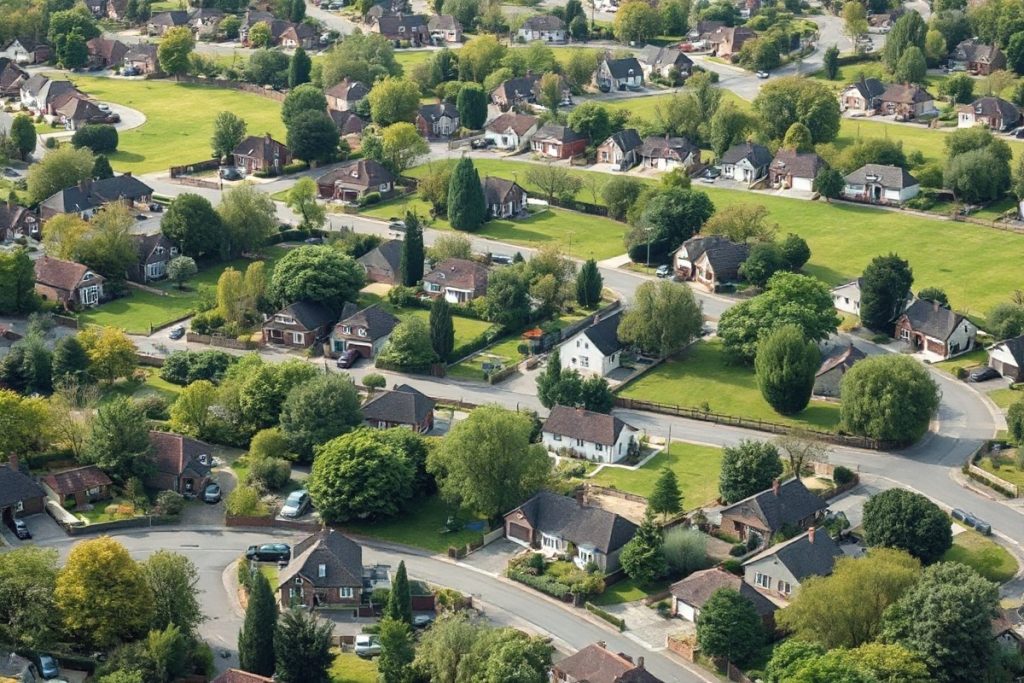
Remote Work Trends Reshape Housing Demand
A new study published on August 16, 2026, highlights a significant correlation between the rise of remote work and the increasing demand for suburban housing. As more employees embrace flexible work arrangements, suburban markets are witnessing a surge in activity, while urban areas experience a downturn in interest. This shift is particularly relevant as 76% of workers indicate they would consider leaving their jobs if remote work options were eliminated.
The findings underscore a transformative change in the housing landscape, with many workers now prioritizing space, comfort, and proximity to nature over the traditional allure of urban living. As companies adapt to this trend, understanding its implications becomes crucial for stakeholders across the real estate and employment sectors.
Financial Implications for Employers and Employees
Employers stand to gain significantly from the ongoing trend toward remote work. Businesses can save on real estate costs, with estimates suggesting that full-time remote work can lead to average savings of up to 30% on office space expenses. Consequently, many companies are reconsidering their real estate footprints, with some opting to downsize or eliminate physical offices altogether.
On the employee side, the flexibility of remote work is not just a perk; it has become a primary motivator for job searches. A staggering 85% of workers looking for new positions cite the opportunity for remote work as their top priority. This shift in employee expectations places pressure on companies to offer flexible arrangements to attract and retain talent.
Suburban Housing Market Surge
The suburban housing market is experiencing a renaissance as remote work becomes a permanent fixture in many industries. The surge in demand for suburban homes has led to increased competition, driving prices upward in these areas. In 2026, suburban real estate sales have outpaced urban transactions, reflecting a broader shift in buyer preferences.
The increase in suburban housing demand also highlights the evolving role of green spaces and community amenities. Buyers are now more interested in properties that provide access to parks and outdoor recreational areas, reinforcing the idea that lifestyle choices are increasingly intertwined with housing decisions.
Urban Market Challenges
As suburban areas thrive, urban housing markets face notable challenges. The decline in demand for city living has resulted in increased vacancy rates and a slowdown in new developments. Many urban landlords are grappling with decreased rental income as tenants seek larger living spaces outside the city.
This trend not only impacts landlords but also affects local economies that rely on urban density. With fewer residents in cities, businesses that cater to urban dwellers may struggle to survive, leading to potential long-term economic consequences for metropolitan areas.
Future Outlook and Consequences
The implications of these housing market shifts extend beyond immediate real estate trends. As remote work solidifies its presence in the professional landscape, experts predict that suburban areas will continue to attract new residents, leading to potential overdevelopment and infrastructure strain in these locales.
Policymakers and urban planners will need to adapt to these changes, ensuring that suburban growth is managed sustainably. This could involve enhancing public transportation options and infrastructure to accommodate an influx of new residents, as well as re-evaluating zoning laws to foster balanced development.
Takeaway
The rise of remote work in 2026 is reshaping housing market dynamics, driving demand for suburban living while challenging urban economies.
Sources
vawholesalemtg.com, venasolutions.com, gable.to, surveymonkey.com, sciencedirect.com