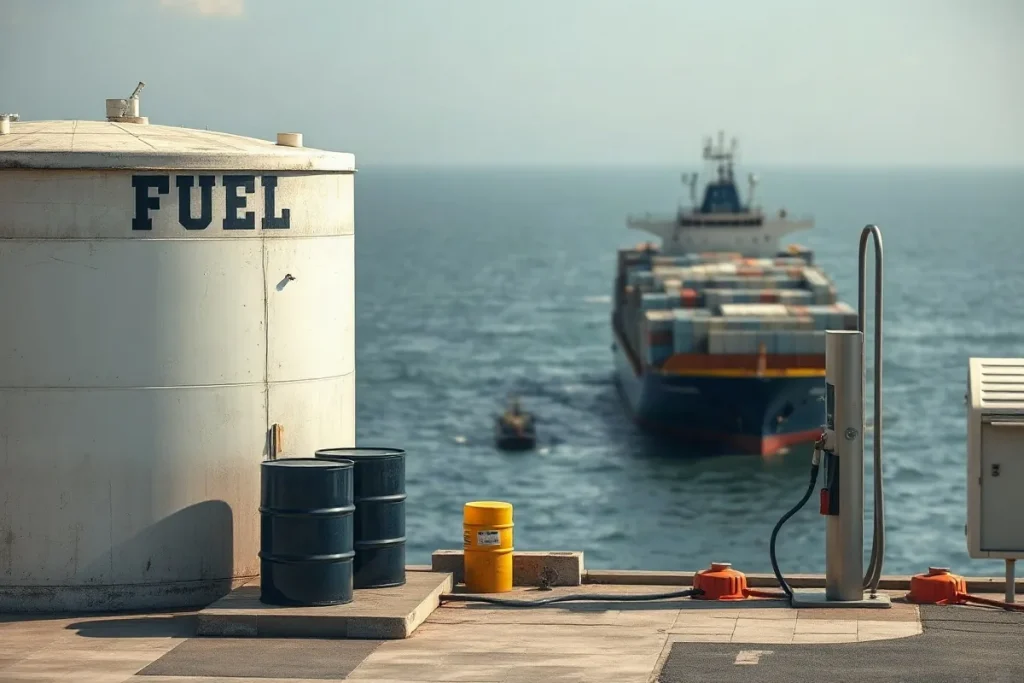
G7 countries agreed on Friday to release 100 million barrels of diesel and crude oil from reserves over four months, with a substantial diesel release scheduled in the first 20 days. Coordinated through the International Energy Agency, the move responds to rising fuel prices and tighter supplies linked to the Iran war and attacks on Russian energy infrastructure. The agreement also commits G7 members to avoid energy export restrictions among themselves.
A rapid start for diesel supplies
The release is set to begin immediately and will be front-loaded, according to the G7 leaders’ joint statement. That means a substantial portion of the diesel drawdown is due within the first 20 days, rather than being spread evenly across the four-month period. The statement says members will meet through the IEA in the coming days to consider further diesel releases if necessary.
The 100 million barrels cover both diesel and crude oil; the announcement does not specify how much of the total will be diesel. The G7 comprises France, Canada, Germany, Italy, Japan, the United Kingdom and the United States, with the European Union also participating in meetings. France currently holds the group’s presidency.
Supply disruptions underpin the decision
The supply squeeze reflects several pressures at once. Ukrainian attacks on Russian refineries have disrupted energy infrastructure, while the Iran war has affected fuel flows from the Middle East. China’s decision to suspend fuel exports in October adds another constraint to an already tight market.
Crude exports from the Persian Gulf have been at or near prewar levels on some days, but volumes remain volatile and fuel shipments from the region are still well below normal. Ship traffic through the Strait of Hormuz was stifled after the United States and Israel attacked Iran in late February; daily exports through the strait returned to prewar levels this week. The distinction matters: crude moving again does not mean refined fuel supplies have recovered.
Price pressure and the export-ban risk
U.S. diesel prices averaged $6.37 per gallon on Friday, remaining elevated after reaching record highs in September. The Trump administration pressed European governments to release stocks as prices climbed, presenting reserve use as an alternative to a U.S. export ban. President Donald Trump said shortly before the G7 announcement that Europe had agreed to release a “massive amount” of diesel.
The possibility of restrictions had particular significance for Europe: the United States supplied around half of the European Union’s diesel imports in August, according to the International Energy Agency. U.S. Treasury Secretary Scott Bessent urged European partners to make additional supplies available immediately. EU trade chief Maros Sefcovic discussed diesel supplies and prices with U.S. Trade Representative Jamieson Greer, warning that a U.S. export restriction would hurt Europe’s economic outlook.
G7 pledges to keep trade open
Alongside the stock release, G7 leaders agreed to refrain from restrictions on energy and energy products traded between members. They also called on producers outside the group not to impose bans that could intensify market tensions. The commitments address the risk that governments could respond to scarcity by limiting exports, further constraining the supply available to importers.
Trump had said the previous week that he was considering an export ban, but later appeared to lean against the idea because of its potential effect on U.S. gasoline prices. The prospect alarmed European governments, given their reliance on U.S. diesel imports. The G7 announcement therefore pairs a near-term reserve release with a pledge against restrictions among members, though it does not guarantee that supply disruptions will end.
Reserve barrels cannot resolve the wider crisis
The release can add fuel to the market quickly, but it does not restore normal shipments from the Middle East or repair disruption to Russian energy infrastructure. Macquarie Group energy strategists described the challenge as a global energy problem rather than simply a U.S. diesel shortage. Walt Chancellor of Macquarie Group argued that more oil moving through the Strait of Hormuz would be needed to address the underlying pressure.
For buyers, the near-term test is whether the front-loaded diesel supply arrives as planned and eases tightness while the shipping and export disruptions continue. For governments, the IEA-led process leaves open the possibility of additional releases, while the G7’s export pledge seeks to prevent members from making the squeeze worse. Neither step alone guarantees a lasting fall in fuel prices.
Takeaway: The G7’s 100-million-barrel release aims to ease diesel pressure quickly, but the longer-term supply outlook depends on disrupted fuel flows and continued access to export markets.
Sources
- turkiyetoday.com — “EU weighs French plan to release diesel stocks after US pressure: Report – Türkiye Today”
- globalbankingandfinance.com — “Macron to Confer With G7 Leaders on Crude and Diesel Stock Releases”
- en.protothema.gr — “G7 oil stock release will only briefly cool prices, analysts warn – ProtoThema English”
- Mint — “Diesel Diplomacy! Trump says Europe will release ‘massive amount’ of diesel as China cuts fuel exports”
- tribune.com.pk — “Europe agrees to release diesel stocks, Trump says”
